Why Bangkok is an easy place to travel alone
Bangkok rewards solo travelers more than almost any city in Southeast Asia. It is cheap enough that you never have to split a bill to afford a nice meal, the transit is genuinely good, and the city is so used to foreign visitors that being on your own draws no attention at all. You can spend a day temple-hopping in the Old City, eating noodles standing at a cart, and watching the river go by from a ferry — none of which is improved by company, and all of which is perfectly normal alone.
It is also a forgiving city. If you take the wrong ferry, get caught in a downpour, or end up in the wrong neighborhood, the consequences are mild: another boat, a coffee stop, a cheap Grab home. Thai friendliness is real, and most people will go out of their way to point you in the right direction even across a language gap. The main adjustments are practical, not safety-related — the heat is serious, the traffic is chaotic, and the scams are well-rehearsed. Plan around all three and you can read the city confidently within a day or two.
Solo women, in particular, generally report feeling comfortable here. The usual big-city precautions apply, but Bangkok is not a place where solo travel feels like a daily negotiation — it feels, very quickly, like one of the most relaxed cities in the region to be on your own.
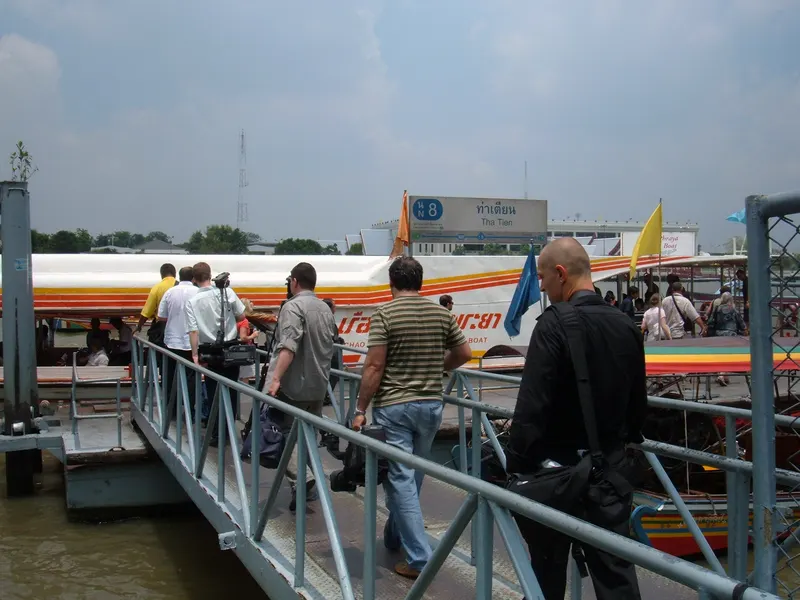
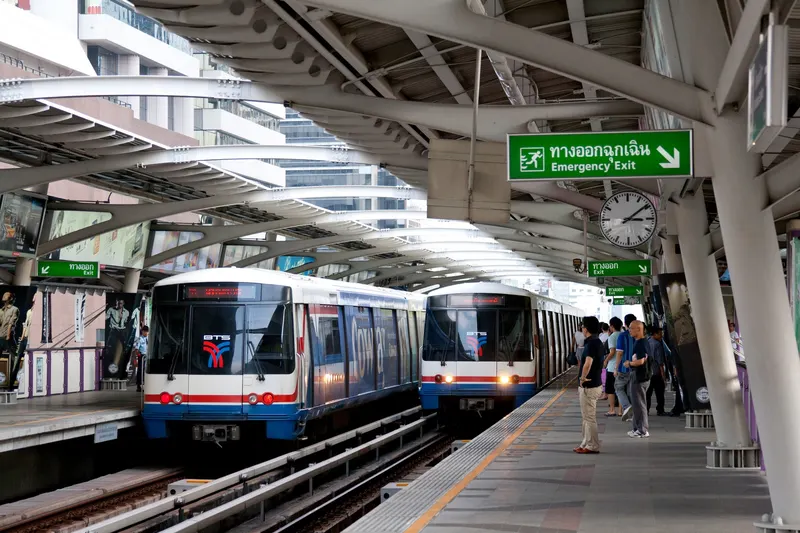
- English signage on the BTS, MRT and most malls and tourist sights.
- Solo dining is the norm — no awkwardness at stalls, food courts or noodle shops.
- Distances are short by transit even when traffic looks impossible.
- Low violent-crime risk; the threats are scams and the occasional pickpocket.

Watch out
The biggest risks are tuk-tuk/gem scams and the 'temple closed' routine — not violent crime; insist on meters and walk away from too-good deals
Book ahead
Hostels and 'poshtels' with private rooms and a sociable bar are the fastest way to find company for a day trip
Staying safe: the scams matter more than the crime
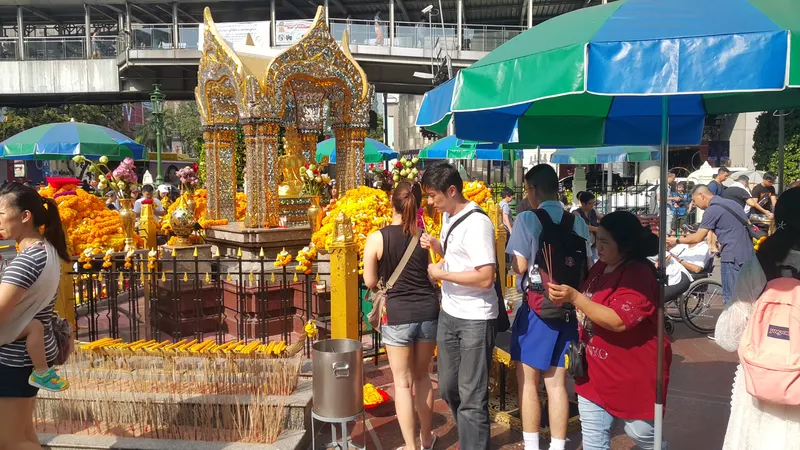
Bangkok is safe for solo travelers by the usual standards of a big city, including solo women. Violent crime against tourists is rare; what you actually need to defend against is your wallet and your time. The classic setup is a friendly stranger near a major temple who says it is 'closed for a ceremony' and offers a tuk-tuk tour — which ends at a gem or tailor shop where he earns commission. The temple is open; just walk in. Metered taxis sometimes refuse the meter or quote a flat fare; if a driver won't use the meter, wait for the next one or open Grab.
At night, stick to the main, well-trafficked areas, keep your phone in your hand rather than loose in a back pocket, and treat strong street cocktails and any unattended drink with the caution you would anywhere. Crossing the road is genuinely the most dangerous everyday activity here — follow locals, use the elevated walkways near BTS stations, and never assume cars will stop.
A few small habits buy a lot of confidence. Carry a photo or paper copy of your passport and your accommodation's address written in Thai (the front desk will write it), save the Tourist Police number (1155), and keep a little cash separate from your main wallet. None of this should make you anxious — a confident 'no thank you' and walking on defeats nearly every scam Bangkok throws at you.
- Ignore anyone who approaches you to say a temple or attraction is closed.
- Insist on the meter, or use Grab to lock in the price up front.
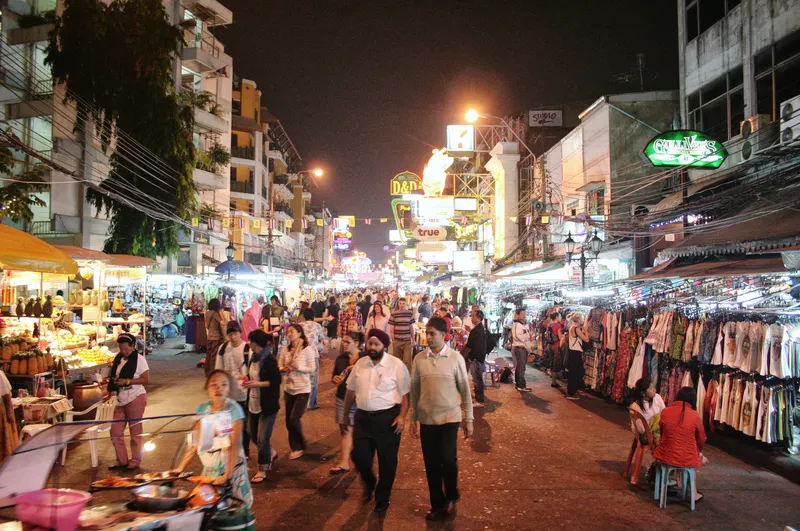
- Watch your drink and pace yourself on Khao San or in Sukhumvit's bars.
- Cross with the crowd; cars do not always stop for pedestrians.

Where to base yourself alone
Your base matters more when you are solo, because you come and go on your own schedule and want somewhere easy to reach late. The most practical solo choices sit right on the BTS or MRT. Lower Sukhumvit around Asok, or the calmer Phrom Phong end, gives you trains, cafés, gyms and endless food within a short walk. Silom is similar — business-district by day, lively and walkable by night — and well connected by both the BTS and MRT.
If your trip is mostly about temples, the river and old-city atmosphere, base yourself in the Old City around Khao San. You trade the train for ferries and Grab, but you wake up minutes from the Grand Palace and Wat Pho. This area also has the city's densest cluster of hostels, which is the fastest way to meet other travelers if you want company for a day trip. Riverside is romantic but more spread out, and better suited to couples than to a fast-moving solo trip.
For solo travelers, hostels and 'poshtels' are a smart pick even if you are past dorm age — many have private rooms plus a sociable bar or rooftop, so you get your own space and an easy way into a group. Whatever you choose, picking a place a couple of minutes from a station removes most of the daily friction before you even leave the room.
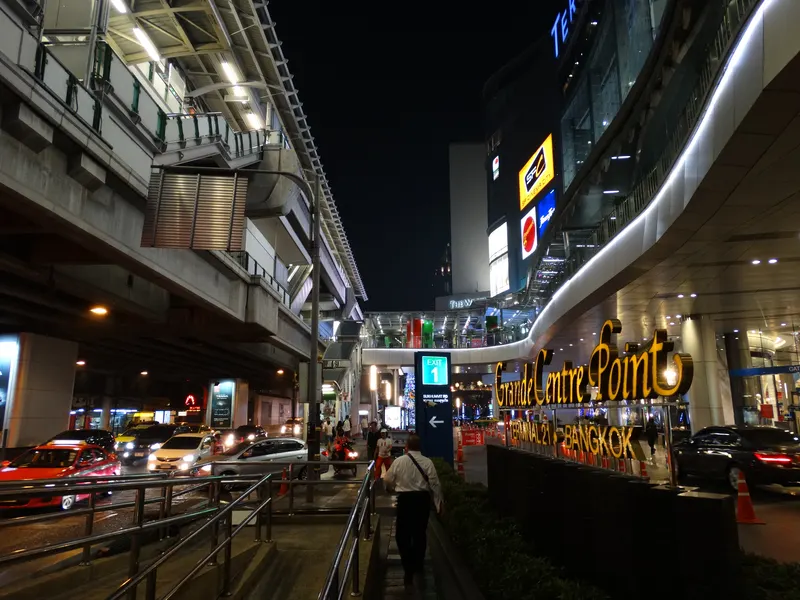
- Sukhumvit (Asok/Phrom Phong): trains, food, cafés — the easiest all-rounder.
- Silom: well-connected, walkable, a good mix of work-day calm and nightlife.
- Old City / Khao San: temples, river and the densest hostel scene.
- Look for hostels with private rooms and a bar if you want company on tap.

Getting around and eating on your own
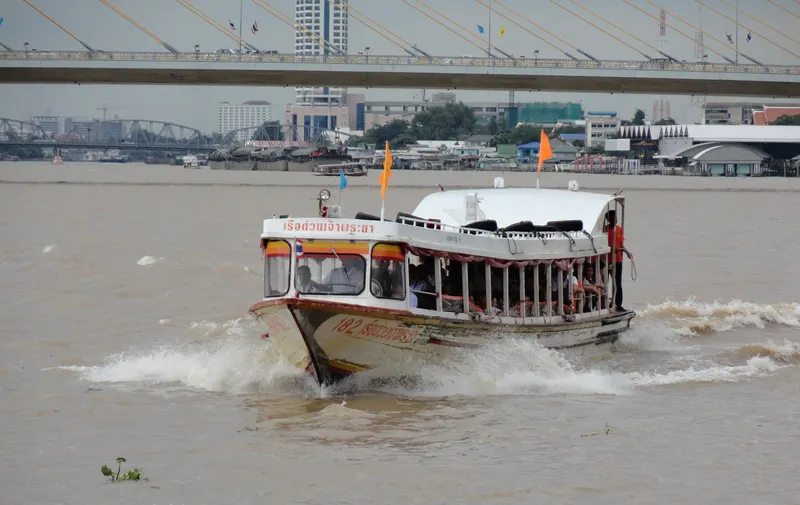
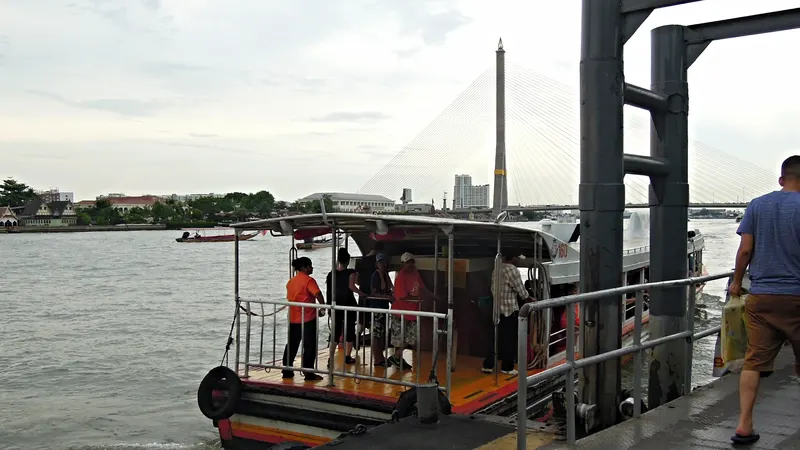
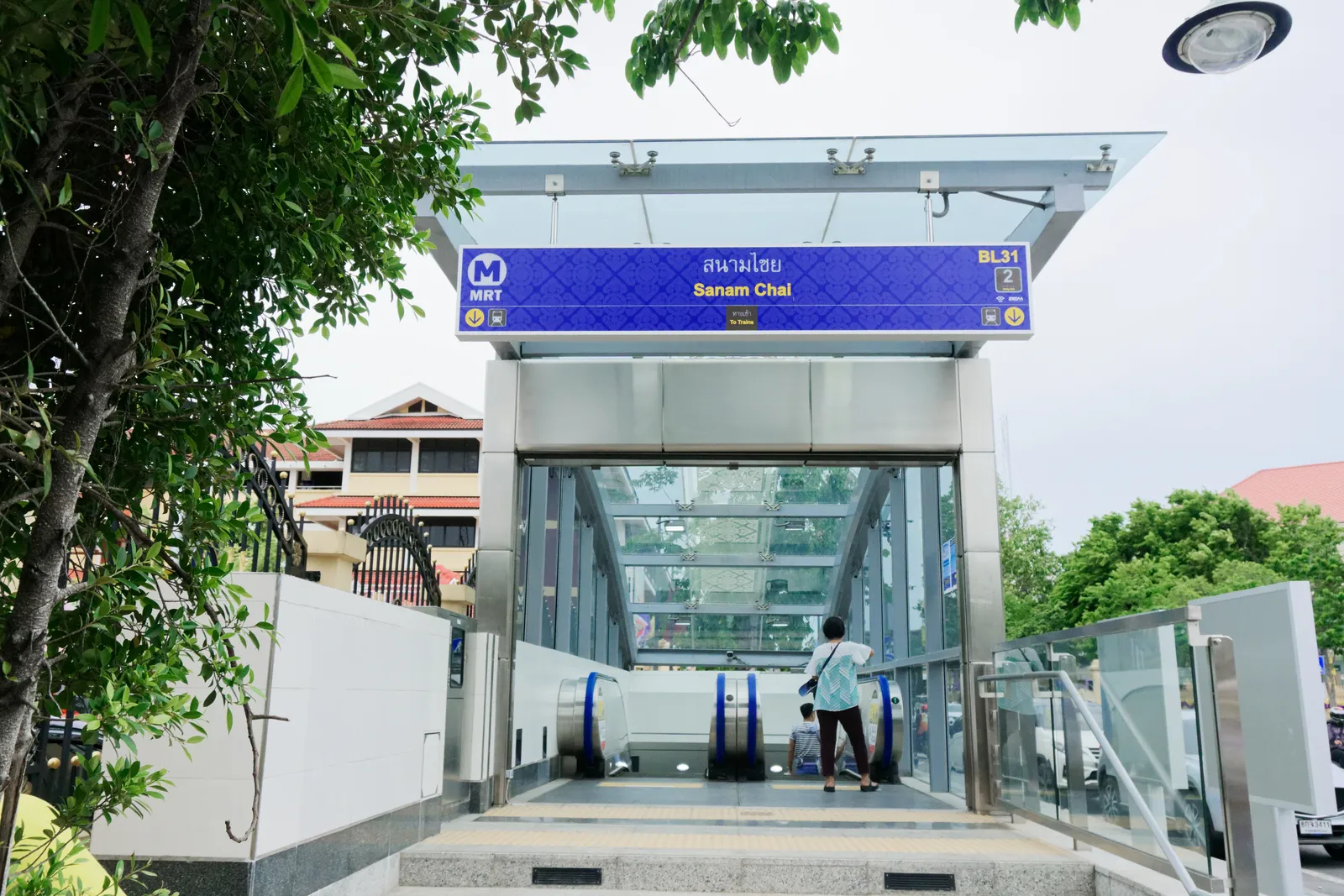
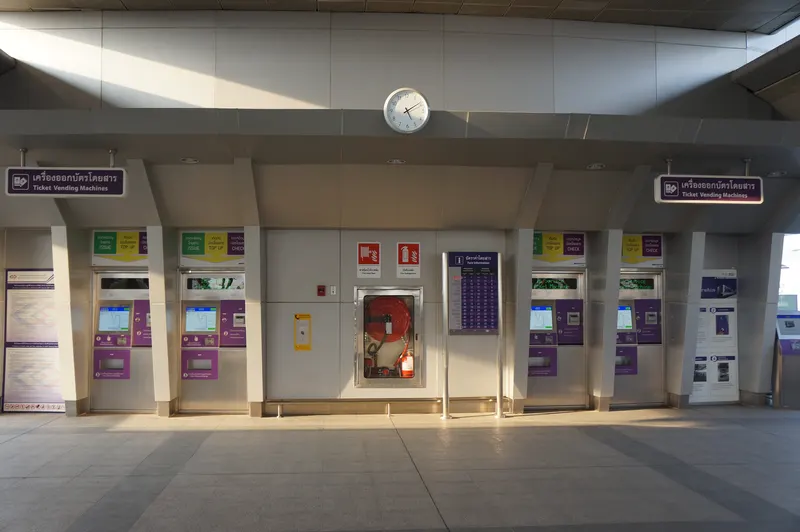
Lean on the trains. The BTS Skytrain and underground MRT are clean, air-conditioned, cheap and signposted in English — when your route lines up with them, ignore the traffic entirely. For everything off the rail lines, the Grab app removes the haggling: you see the price before you book, your driver has the destination, and you do not have to explain anything in Thai. The Chao Phraya river boats and canal ferries are both cheap and a genuine pleasure to ride solo. Get a local data SIM or eSIM on arrival — it makes Grab, maps and translation work everywhere and is the single best thing you can do for solo confidence.
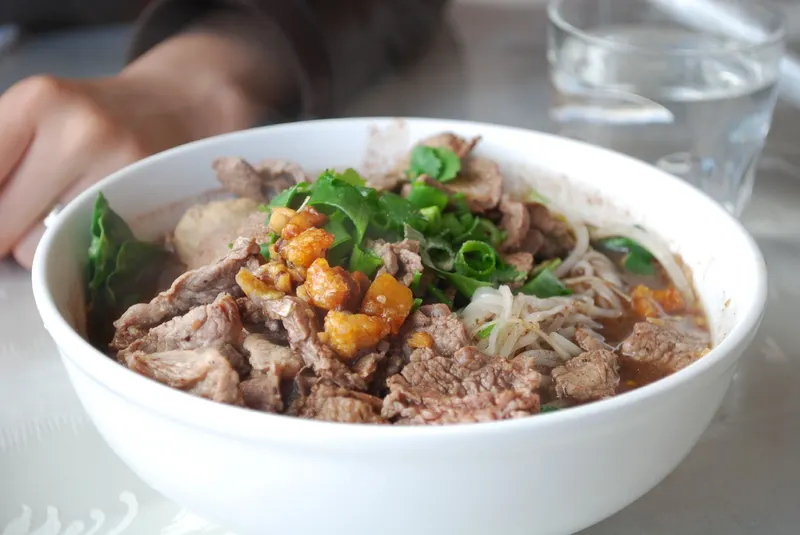
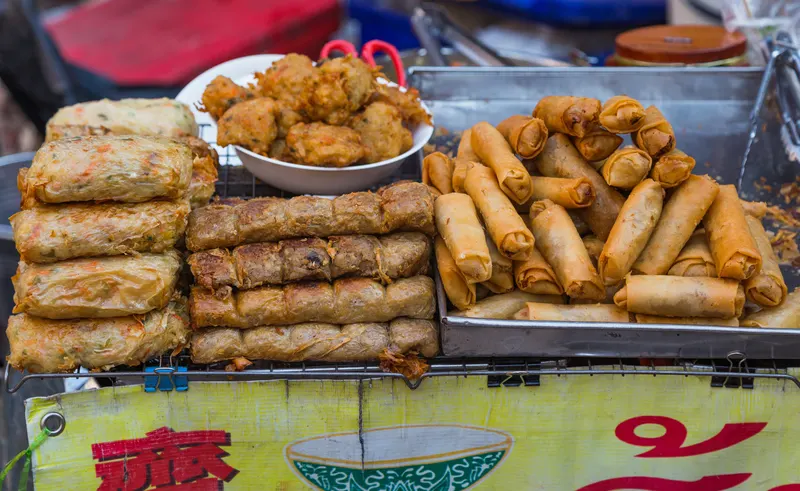
Eating alone here is effortless. Street stalls and noodle shops are designed for quick single diners — point at what looks good, sit, eat, pay. Mall food courts (you load a card, then order from stalls) are a stress-free entry point, and the markets always have something to graze on. A standalone bowl of boat noodles or a plate of pad kra pao is cheap, so you can eat brilliantly without ever feeling like you are paying a 'table for one' premium. Carry small bills and coins; many stalls and the canal boats do not deal well with large notes.
If you want a meal with built-in company, a guided food tour through Chinatown or a cooking class are easy, sociable ways to spend an evening, and a small-group day tour gives you both logistics and a temporary travel crew without committing to it.
- BTS/MRT first; Grab for the gaps; river and canal boats for transport and views.
- Buy a data SIM or eSIM on arrival — it powers everything else.
- Solo-friendly meals: boat noodles, pad kra pao, food-court stalls, market grazing.
- Keep small change for stalls, motorbike taxis and boats.

Easy solo itineraries, tours and day trips
Keep your days loose and front-load the heat-sensitive sights. A classic solo first day: start early at Wat Pho and the Grand Palace while it is cool, cross the river by ferry to Wat Arun, then retreat to a café or mall through the hottest hours and re-emerge for street food and a riverside walk in the evening. The cool season makes this rhythm comfortable; in the hot or rainy months, build in more indoor time and treat a sudden downpour as a coffee break, not a ruined afternoon.
Solo travel and tours pair well, because you can join a small-group tour for the logistics-heavy outings and keep the city days independent. A guided food tour or a temple route gives you company and local knowledge for an evening or a morning, and a booked day trip to Ayutthaya's ruins or the floating and railway markets handles the planning while putting you alongside other travelers. For anything far-flung, a shared tour saves you the legwork and gives you company without commitment.
Match the trip length to your energy. Two or three full days covers the headline temples, a market and a neighborhood wander; a longer stay lets you fold in a day trip or two without rushing. The day-count itineraries lay out sensible, solo-paced versions of each.
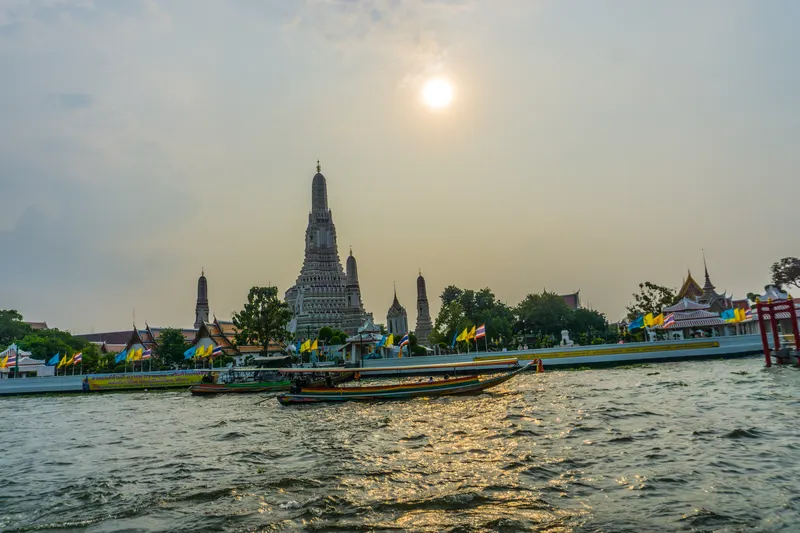
- Temples and palaces early, indoor refuge midday, food and river views at night.
- Use a small-group tour for far-flung trips to get logistics and company in one.
- Treat rainy-season downpours as scheduled café breaks, not lost time.
- Two to three full days covers the headline sights at a comfortable solo pace.