
The honest big picture
Bangkok feels chaotic but is genuinely low-risk for visitors. Tens of millions of tourists pass through every year, and the overwhelming majority leave with nothing worse than a sunburn and a phone full of temple photos. Walking around Sukhumvit, Silom, Banglamphu or the riverside at night is normal and unremarkable; you will see plenty of solo travelers, couples and families doing exactly that. Where Bangkok does catch people out is in small, avoidable ways — a 'closed today' tuk-tuk detour, an unmetered taxi, a wallet lifted in a packed market, or a hangover-fuelled stumble into traffic.
Treat Bangkok like any major world city. Keep your valuables close in crowds, trust your gut when something feels off, and don't switch off your judgment just because you are on holiday. The threats that do exist are commercial and petty rather than violent, which means they are almost entirely avoidable once you know the patterns.
Solo women and solo travelers in general report feeling comfortable here, by the usual standards of a big city. The combination of friendly locals, good public transport and a city long used to foreign visitors makes Bangkok one of the easier places in the region to find your feet quickly.
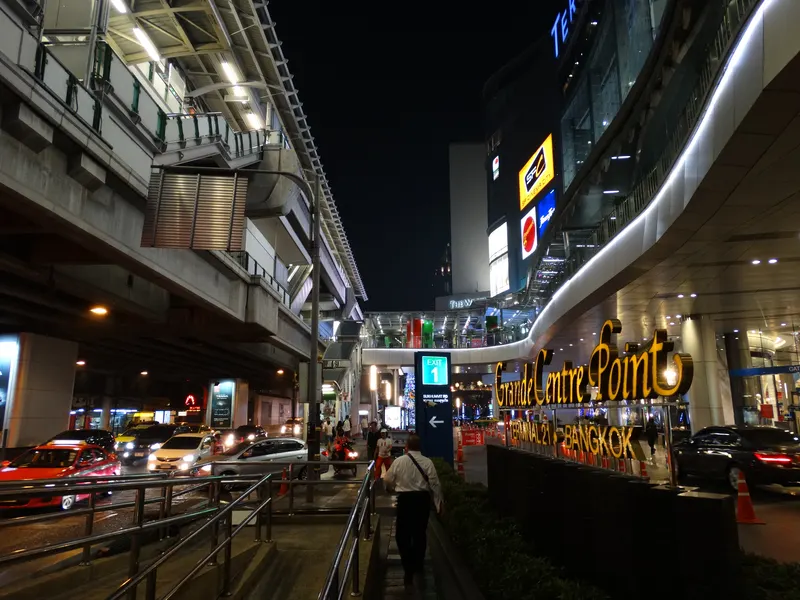
- Violent crime against tourists is rare; petty theft and overcharging are the usual concerns.
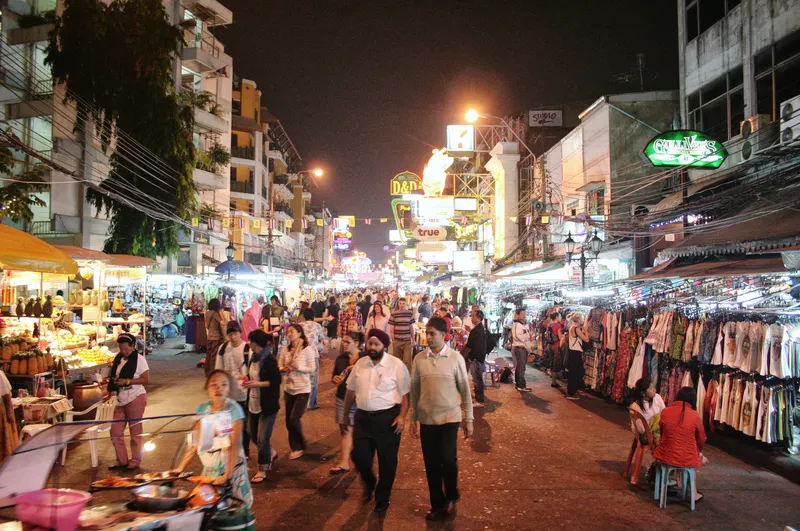
- Pickpocketing peaks in dense crowds — Chatuchak, packed platforms, Khao San at night.
- Solo travelers, including solo women, generally feel comfortable here.
- Most 'crime' tourists meet is commercial: padded bills, fake gems, rigged tuk-tuk routes.
Watch out
Petty scams and overcharging — not violent crime — are the real concern; the 'temple closed', flat-fare taxi and bar-tab routines top the list
Transport, heat and health
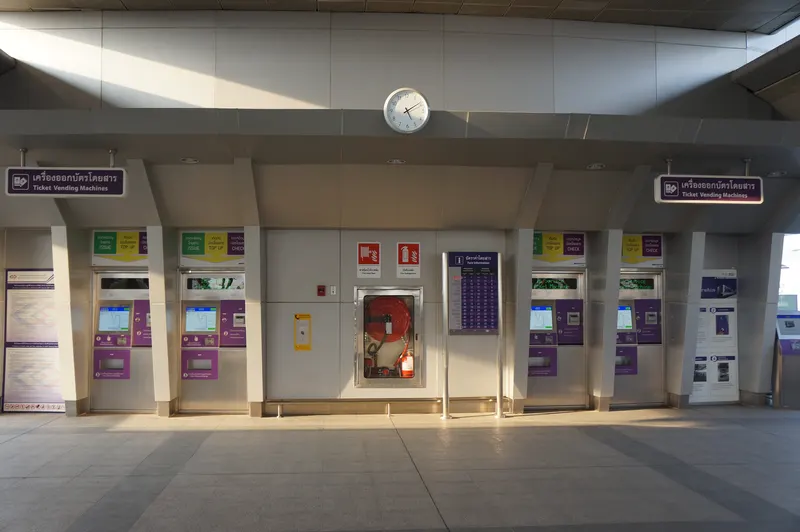
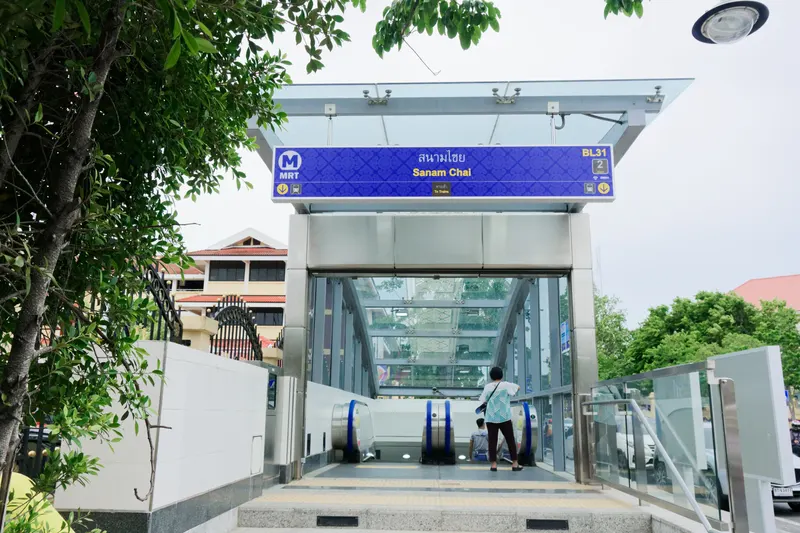
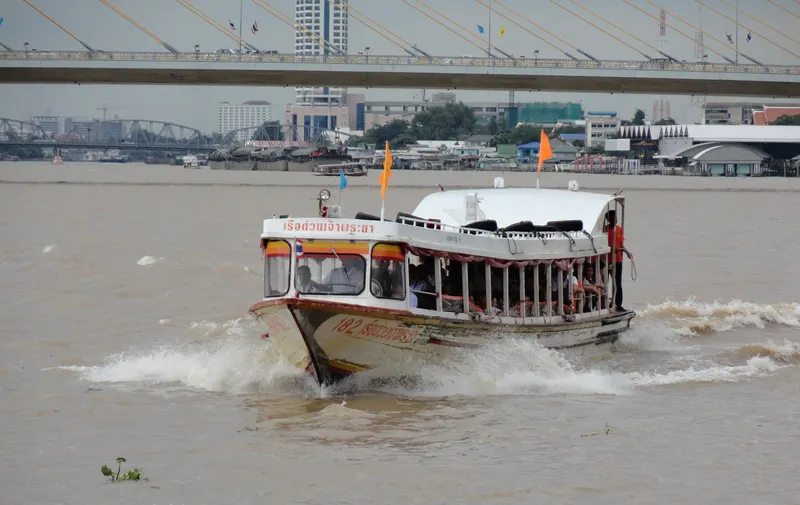
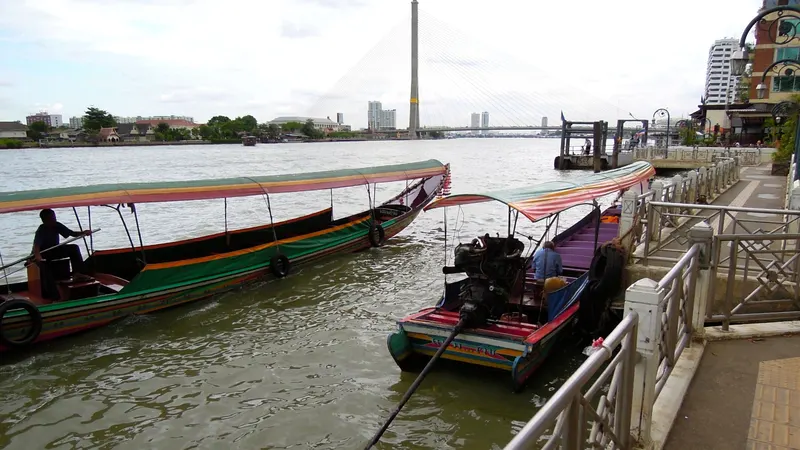
Your single best safety habit is choosing the right transport. The BTS Skytrain and MRT subway are clean, air-conditioned, cheap and almost impossible to be scammed on — buy a ticket or tap a card, and the fare is fixed. They also keep you out of Bangkok's worst everyday hazard, the traffic itself. For door-to-door trips, use Grab or Bolt rather than flagging cars; if you do take a street taxi, insist on the meter. Crossing the road is its own skill: cross with locals, use footbridges, and never assume a green pedestrian signal means cars will stop.
The thing most likely to ruin your day in Bangkok is not a criminal, it is the climate. During the hot season the midday heat and humidity are punishing, and heat exhaustion sneaks up on visitors who try to power through three temples before lunch. Pace yourself the way locals do — sightsee in the morning, retreat to air-conditioning at midday, and come back out in the evening. Carry water everywhere and lean on the convenience stores for cold drinks and electrolyte sachets. Stick to bottled or filtered water; the tap water is not for drinking.
Street food is generally safe and delicious, especially at busy stalls with high turnover where everything is cooked fresh in front of you. Mosquitoes carry dengue, so use repellent in the green and rainy months. Pharmacies are everywhere and well-stocked, and private hospitals are excellent if you need real care — which is exactly why travel insurance is worth it, since that care is good but not free.
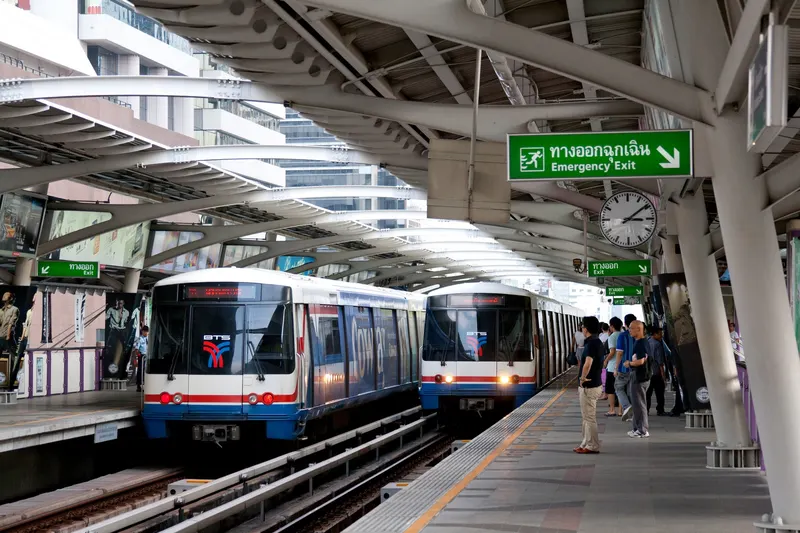
- Prefer the BTS/MRT for fixed fares and to skip the traffic entirely.
- Front-load sightseeing to mornings; hide from the worst midday heat.
- Drink bottled or filtered water and carry it constantly.
- Eat at busy stalls with visible turnover; use mosquito repellent in the rainy season.
- Carry travel insurance — private hospital care is great but not free.

Nightlife, families and the law
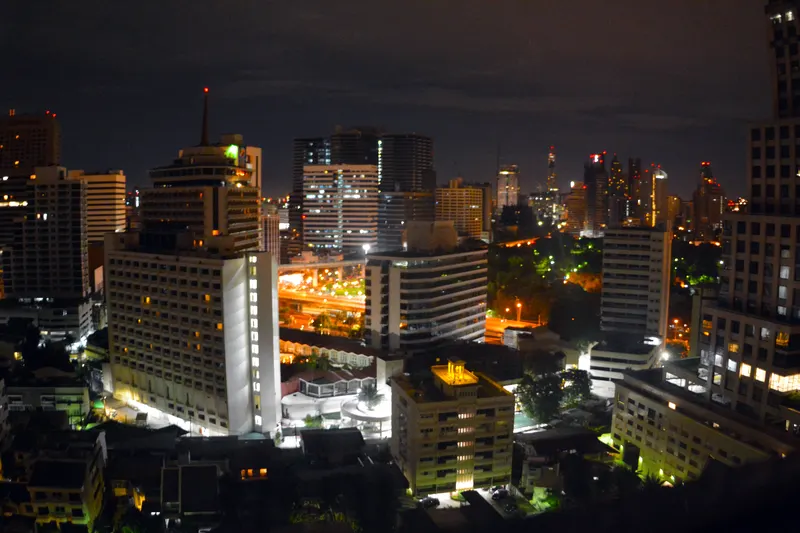
Bangkok after dark is a highlight, not a hazard, but a few habits keep it that way. The nightlife hubs around Sukhumvit, Silom and Khao San are lively and well-trafficked, and walking between bars is normal. The risks here are universal — overspending, losing track of friends, and the bill at the end of the night. Watch your drink, keep an eye on tabs in unfamiliar bars, agree prices before joining any pricier venue, and treat a 'free drink, come to this bar' tout as a commission play. Have Grab ready so you are never negotiating with a tuk-tuk at 2 a.m.
Bangkok is an easy, forgiving city for families. The transport is stroller-tricky on broken pavements but the trains and malls are flat and air-conditioned, the food is safe at busy stalls, and the headline sights are kid-friendly in short, well-timed doses. The main adjustments are the same as for everyone — heat management, water and pacing — plus keeping little ones close in the densest market crowds.
A few laws genuinely matter. Drug penalties remain severe despite the relaxed cannabis scene, so buy only from licensed shops if you partake and never carry anything across a border. Lèse-majesté laws mean you must never insult or disrespect the monarchy, including in jest or online. Carry a copy of your passport, since police can ask for ID, and respect temple dress codes. Occasional political demonstrations happen; they are usually localised and peaceful, but it is sensible to avoid any large gathering and to check your government's current travel advice before you go.
- Settle prices before entering pricier or hostess-style bars; check the bill.
- Pre-book your ride home on Grab rather than haggling late at night.
- Families: trains and malls are easy; manage heat, water and crowd-distance.
- Never disrespect the monarchy; drug penalties are harsh beyond licensed cannabis.
- Avoid large political gatherings and check current travel advice before you travel.
Is Bangkok safe? FAQ
Is Bangkok safe for solo female travelers? Generally yes, by the standards of any big city. Solo women widely report feeling comfortable day and night. The usual precautions apply — watch your drink, plan your ride home, and keep valuables sensible in crowds.
Is Bangkok safe at night? Yes. The main nightlife areas are lively and well-trafficked. The risks are overspending and bar-tab disputes, not violence — check bills, agree prices first, and have Grab ready for the trip home.
Is Bangkok safe for families? Yes. It is a forgiving, kid-friendly city; the main adjustments are heat management, safe water and keeping children close in dense market crowds.
What are the emergency numbers? Tourist Police 1155 (English-speaking, for visitor disputes and reports), ambulance 1669, and general police 191. Save them before you arrive.
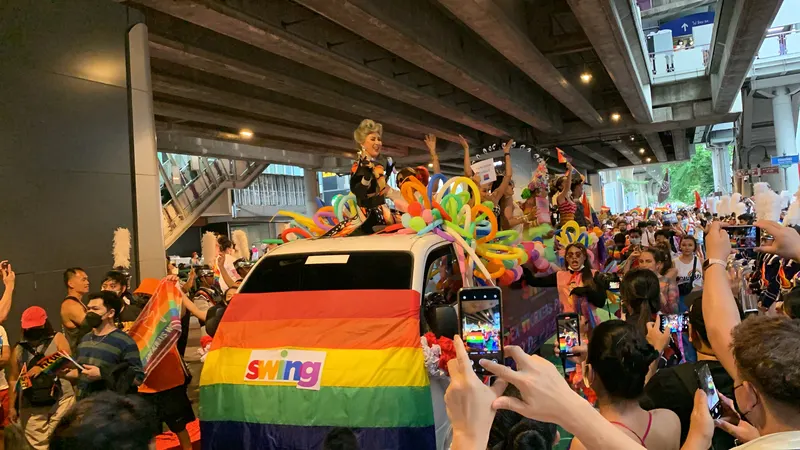
Are protests a problem for tourists? Occasional demonstrations are usually localised and peaceful. Avoid large gatherings, follow local guidance, and check your government's current travel advice close to your dates.
Sources
- Tourism Authority of Thailand ↗
Official tourism body, including the Tourist Police hotline (1155).