- Time needed
- Noodle and rice dishes all day
- Getting there
- Found citywide
- Price
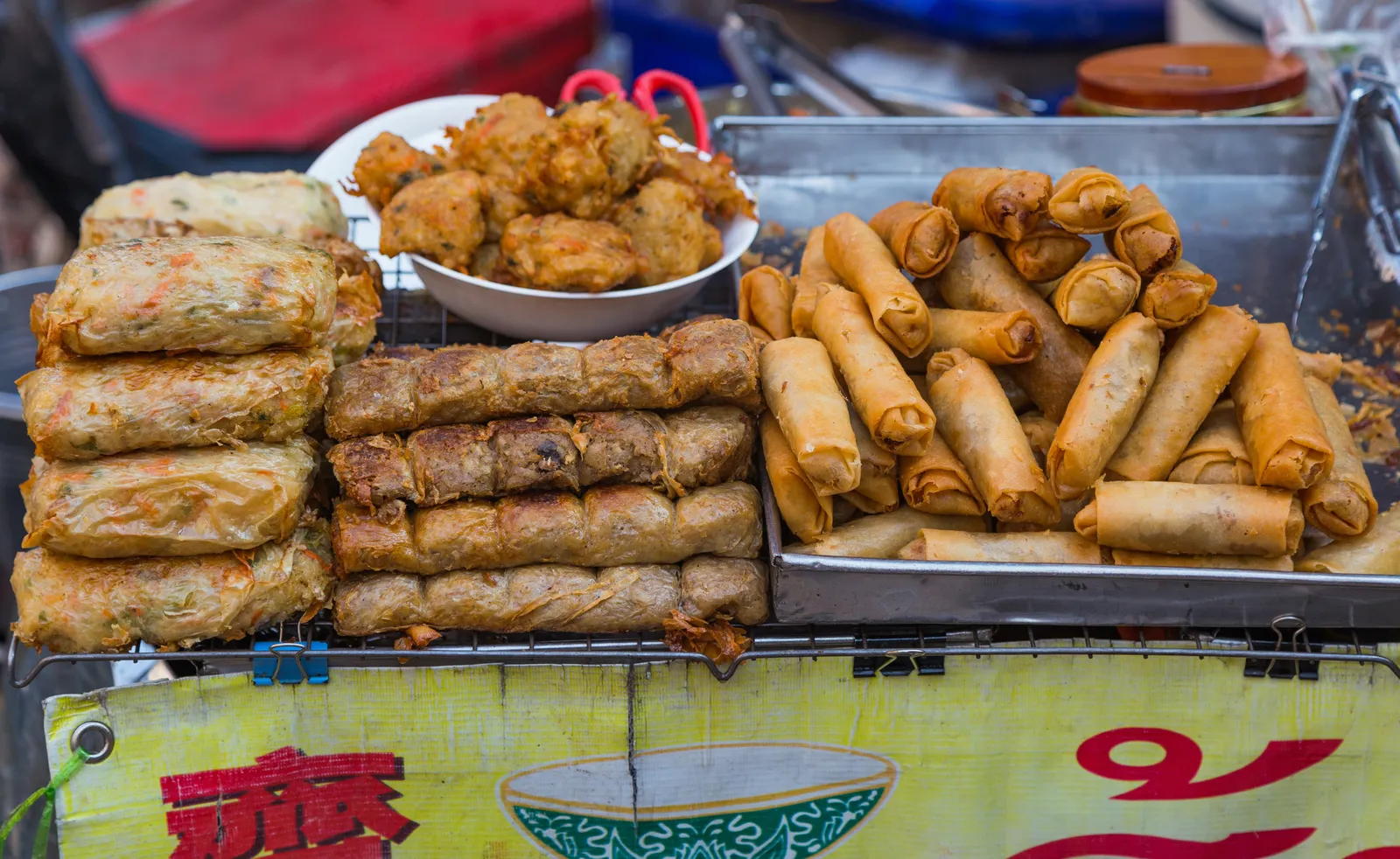
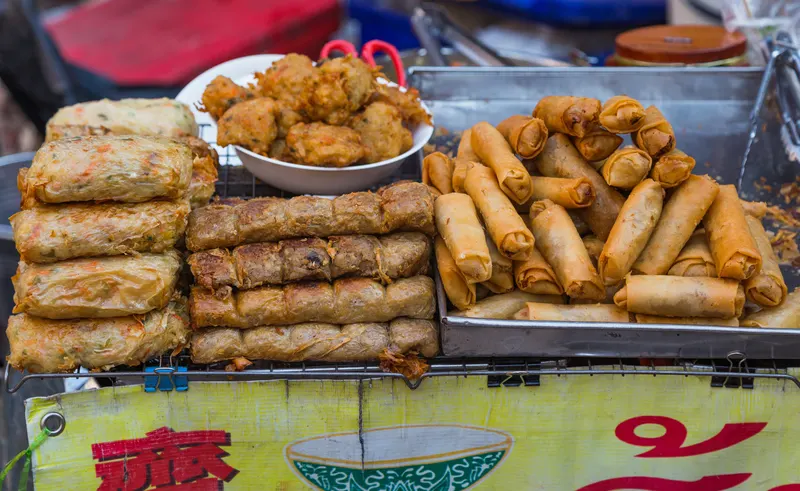
- Most of these dishes are cheap street and shophouse p…
- Best for
- First-timers building a must-try hit list and travele…
The essential staples to order first
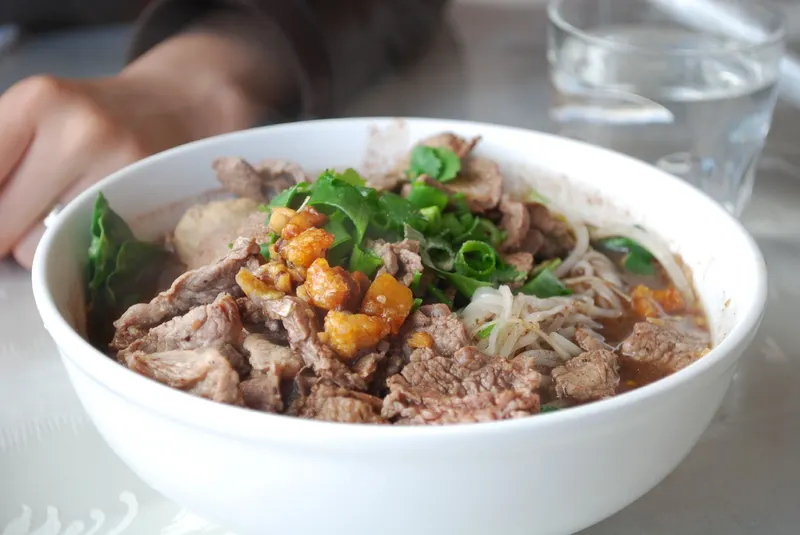
A short list of staples will carry you through any day in Bangkok. Pad thai and pad see ew come straight off the wok — sweet-savory and smoky respectively; boat noodles (kuay teow rua) arrive in tiny, intense bowls you order two or three at a time; som tam (green papaya salad) is pounded to order, sour and fierce; moo ping (grilled pork skewers) with a bag of sticky rice make the perfect walking breakfast; and khao man gai, the Thai take on Hainanese chicken rice, is comfort food at its plainest and best.
Add a couple of one-plate rice dishes and you have lunch sorted for a week. Khao pad (fried rice) is the safe everywhere-order; pad kra pao — minced meat stir-fried with holy basil and chili, topped with a fried egg — is the dish Thais eat when they cannot decide; and a green or red curry over rice is rich, coconutty and reliable. None of these will cost much, and all are widely available from carts and shophouses alike.
Order one dish at a time and graze across several stalls rather than committing to a single big plate. That way you taste more, waste less, and keep the meal moving — which is exactly how locals eat their way through a market or a street.

- Pad thai & pad see ew — wok noodles, one sweet-savory, one smoky.
- Boat noodles (kuay teow rua) — tiny intense bowls, ordered several at a time.
- Som tam — pounded-to-order green papaya salad, sour and spicy.
- Moo ping + sticky rice — the perfect grilled-pork walking breakfast.
- Khao man gai & pad kra pao — the everyday rice plates locals lean on.
Cash & cards
Carry small notes for stalls and shophouses; cards work in malls and restaurants
The dishes — and where to try them
A starting shortlist of standout, currently-operating spots, by area. Hours and menus change and the best places fill up, so check the latest and book ahead where it matters — we don't quote prices.
- 01
Thipsamai (for pad thai)
฿฿฿Old City (Maha Chai Rd) · near Khao San
Bangkok's most famous pad thai, going since 1939, on Maha Chai Road near the Democracy Monument. Known for sen chan noodles, homemade prawn oil and its signature pad thai wrapped in a thin egg crepe.
- 02
Jay Fai (for crab omelette)
฿฿฿Old City (Maha Chai Rd) · near Khao San
Try the iconic kai jeaw poo, a golden crab omelette stuffed with generous lump crab, cooked over a roaring charcoal wok by the goggle-wearing chef who has held a MICHELIN star since 2018. Also famed for drunken seafood noodles.
- 03
Nai Mong Hoi Tod (for oyster omelette)
฿฿฿Yaowarat (Chinatown) · MRT Wat Mangkon
The Chinatown spot to eat hoi tod, a crispy oyster (or mussel) omelette fried with sticky-rice-flour batter into a pancake-like crunch. Order the ultra-crisp 'or lua' for maximum texture.
- 04
Go-Ang Pratunam Chicken Rice (for khao man gai)
฿฿฿Pratunam · BTS Chit Lom / Ratchathewi
The reference point for Hainanese chicken rice in Bangkok: silky poached chicken over fragrant oiled rice with a punchy fermented-bean chilli sauce, from a pink-uniformed shop running since 1960.
- 05
Baan Kuay Tiew Ruathong (for boat noodles)
฿฿฿Victory Monument · BTS Victory Monument
The classic place to try kuay teow reua, tiny, intense bowls of dark herbed broth with sliced beef or pork, in the canal-side Boat Noodle Alley where regulars stack up a dozen bowls at a time.
- 06
Krua Apsorn (for stir-fried crab in curry powder)
฿฿฿Old City (Dinso Rd) · near Khao San
A former royal-kitchen cook's restaurant (since 1996) celebrated for poo phad pong karee, crab stir-fried with aromatic curry powder, egg and celery, plus a famously fluffy crab omelette.
- 07
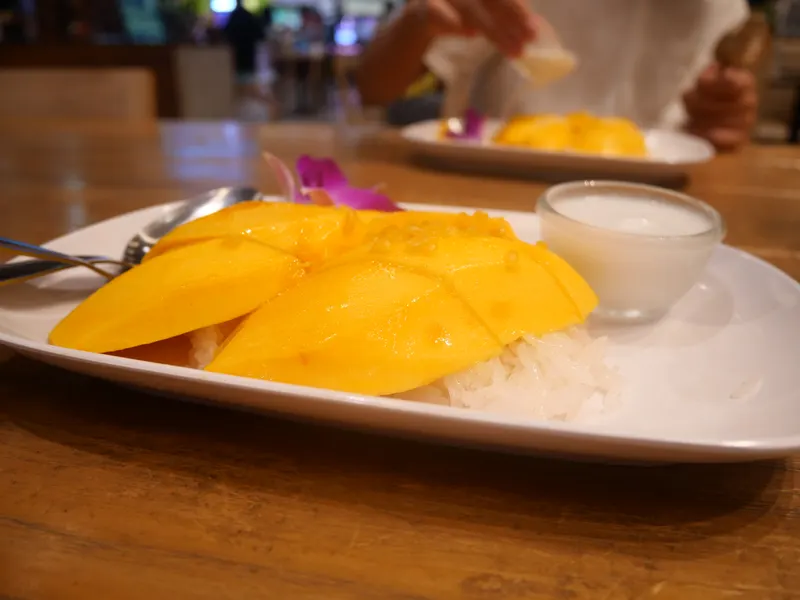
Mae Varee (for mango sticky rice)
฿฿฿Thong Lor · BTS Thong Lo
A reliable Thong Lor shop right by the BTS for khao niao mamuang, ripe Nam Dok Mai mango with warm coconut-soaked sticky rice; also offers pandan and butterfly-pea-tinted rice varieties.
- 08
Kor Panich (for mango sticky rice)
฿฿฿Old City (Tanao Rd) · near Khao San
An 80-plus-year-old institution (since 1932) near Khao San nailing classic mango sticky rice: fragrant rice, just-salty coconut cream and peak-ripe mango, from a recipe linked to the royal kitchens.
- 09
Jeh O Chula (for tom yum mama noodles)
฿฿฿Pathum Wan / Chula · MRT Sam Yan
The go-to for the cult mama tom yum, instant noodles loaded with seafood, pork and egg in a fiery, creamy tom yum broth. Famous for hours-long queues, so book a fast-track slot if you can.
Eat regional: the four Thailands on one plate
Bangkok is where all of Thailand's regional cooking converges, so part of the fun is eating across the map without leaving the city. Central Thai is the bedrock — the curries, stir-fries and clear soups most visitors picture — and the old shophouse kitchens around the Old City do it best. Isan, the northeast, brings the punchy stuff: som tam, gai yang (grilled chicken), larb (a tart minced-meat salad) and sticky rice, fierce and sour and addictive.
Head north on the menu for khao soi, a coconut-curry noodle soup crowned with crisp fried egg noodles — comfort in a bowl. Southern Thai cooking brings the real heat: turmeric-yellow curries, fermented-fish punch and dishes that do not apologize, balanced by piles of fresh herbs and raw vegetables. Tasting all four across a few days gives you a far richer picture of Thai food than ordering the same pad thai twice.
Layered on top is Thai-Chinese cooking, the everyday greatness of Chinatown and beyond — roast duck over rice, braised goose, clay-pot crab vermicelli and the pink-and-green chicken rice stalls. These are usually cheap, usually brilliant, and a reminder that Bangkok's food identity is as much Chinese as it is Thai.
- Central Thai: curries, stir-fries and clear soups — the Old City does it best.
- Isan: som tam, gai yang, larb and sticky rice — sour, spicy, addictive.
- Northern: khao soi, coconut-curry noodles with crisp egg-noodle topping.
- Southern: fierce turmeric curries and fermented-fish heat, balanced by fresh herbs.
- Thai-Chinese: roast duck, braised goose and chicken rice, cheap and everyday-great.
Salads, seafood and managing the spice
Thai salads (yam) deserve more attention than they get from visitors. Beyond som tam, there are tart, herb-heavy salads of grilled meat, seafood, glass noodles or pomelo, dressed with lime, fish sauce and chili — bright, cooling foils to the richer curries and grills, and a smart order in the heat. They are also where Thai cooking's balance of sour, salty, sweet and spicy shows off most clearly.
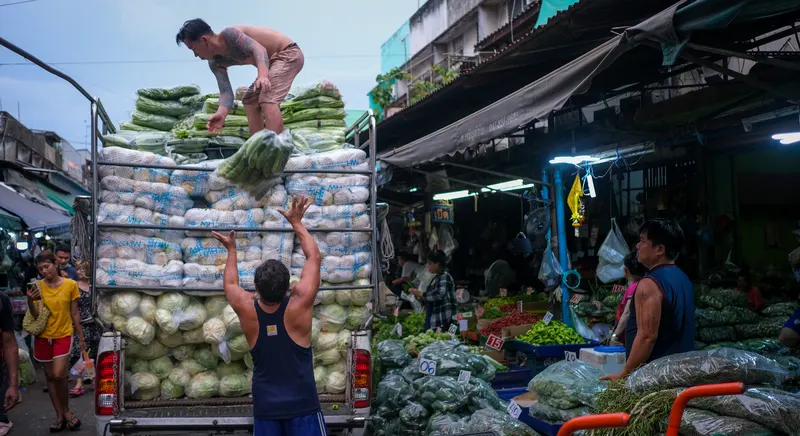
Seafood is a Bangkok strength, thanks to the Gulf nearby and the Thai-Chinese cooking tradition. Grilled prawns, steamed fish with lime and chili, stir-fried crab and the famous crab omelet turn up everywhere from market woks to riverside tables. It is the natural splurge category — a whole grilled fish or a plate of crab is where a street meal tips into a feast.
Spice runs through all of it, and managing it is the key skill. Mai phet asks for no chili, phet nit noi for a little; even then, som tam and southern curries can bite. Start milder than you think, build up as your palate adjusts, and keep something sweet and cold — a fresh coconut, a fruit shake, an iced cha yen — within reach as a fire extinguisher.
- Thai salads (yam): tart, herby and cooling — try beyond just som tam.
- Seafood: grilled prawns, steamed fish, stir-fried crab and the crab omelet — the natural splurge.
- Spice control: mai phet (none), phet nit noi (a little); start mild and build up.
- Keep a sweet cold drink handy to cool a dish that bites harder than expected.

Drinks, sweets and where to find it all
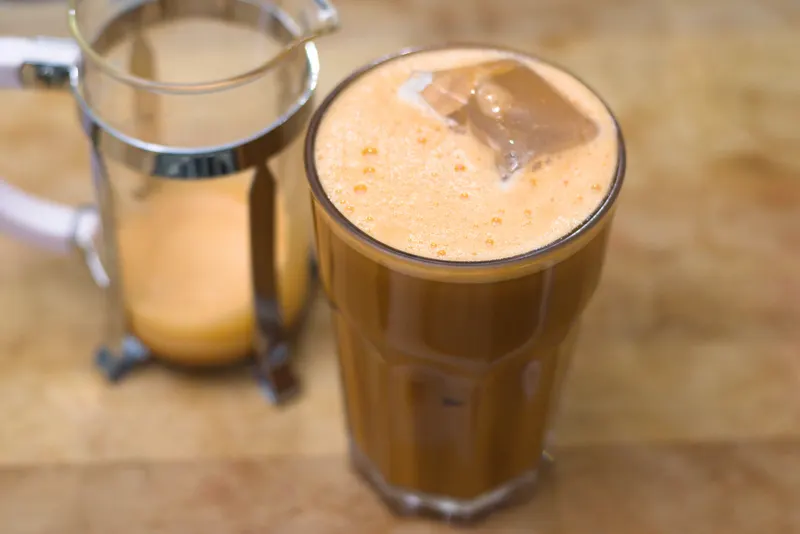
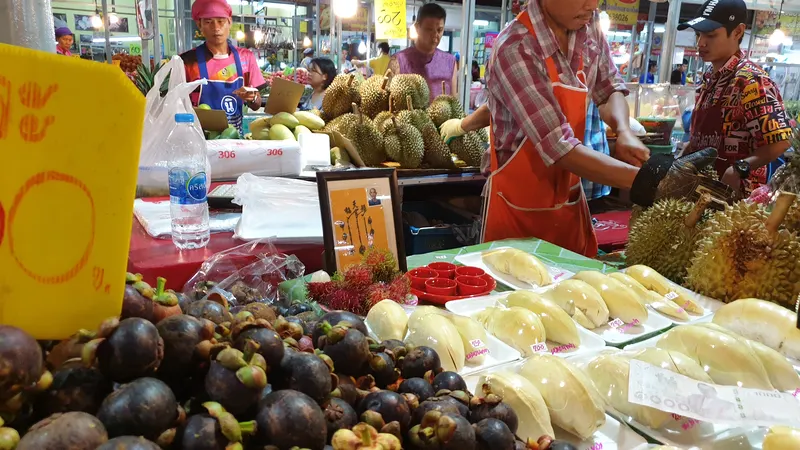
End — and punctuate — every Bangkok day with something sweet and cold. Iced Thai milk tea (cha yen), bright orange and creamy, is the right antidote to a sweltering afternoon; fresh coconut water and fruit shakes are everywhere; and the city's third-wave cafés pour serious coffee with local twists. For dessert, mango sticky rice is the icon, at its sweetest in the hot months, while coconut custards, shaved ice and a whole world of khanom (Thai sweets) reward the curious.
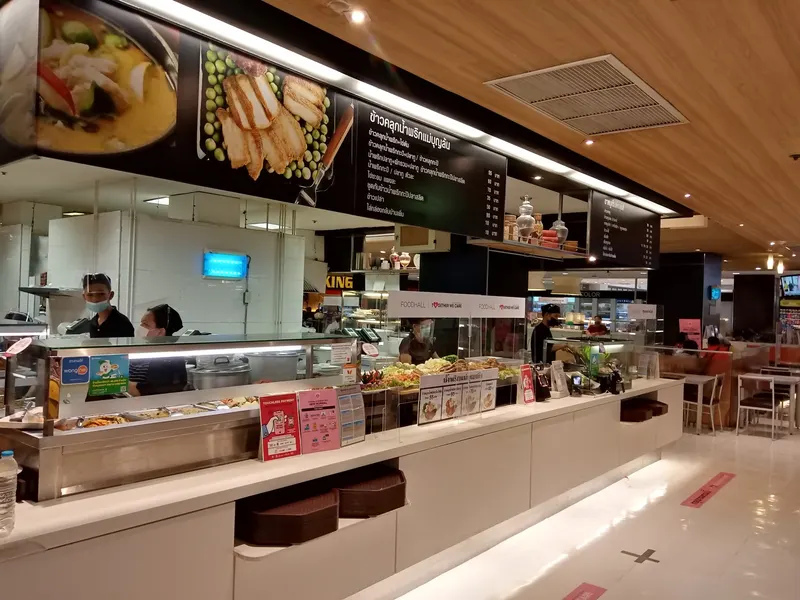
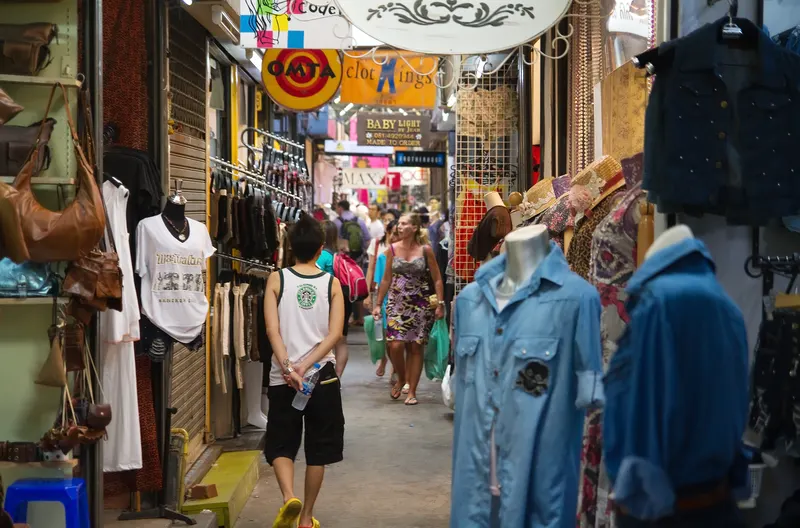
Where you find these dishes is largely a matter of where you already are. Chinatown is the heartland of Thai-Chinese seafood and dessert stalls; the Old City keeps the old-school central Thai shophouses; Sukhumvit and Thonglor stack up regional specialists, modern Thai and cafés; and mall food courts give you a clean, air-conditioned sampler of the lot in one place. Let the neighborhood guide the menu.
Use this list as a hit list to work through rather than a single meal to order. Pair it with the dish deep-dives and the food itinerary, eat where it's busy and freshly cooked, pace your spice, and finish sweet — and you will have eaten Bangkok properly.