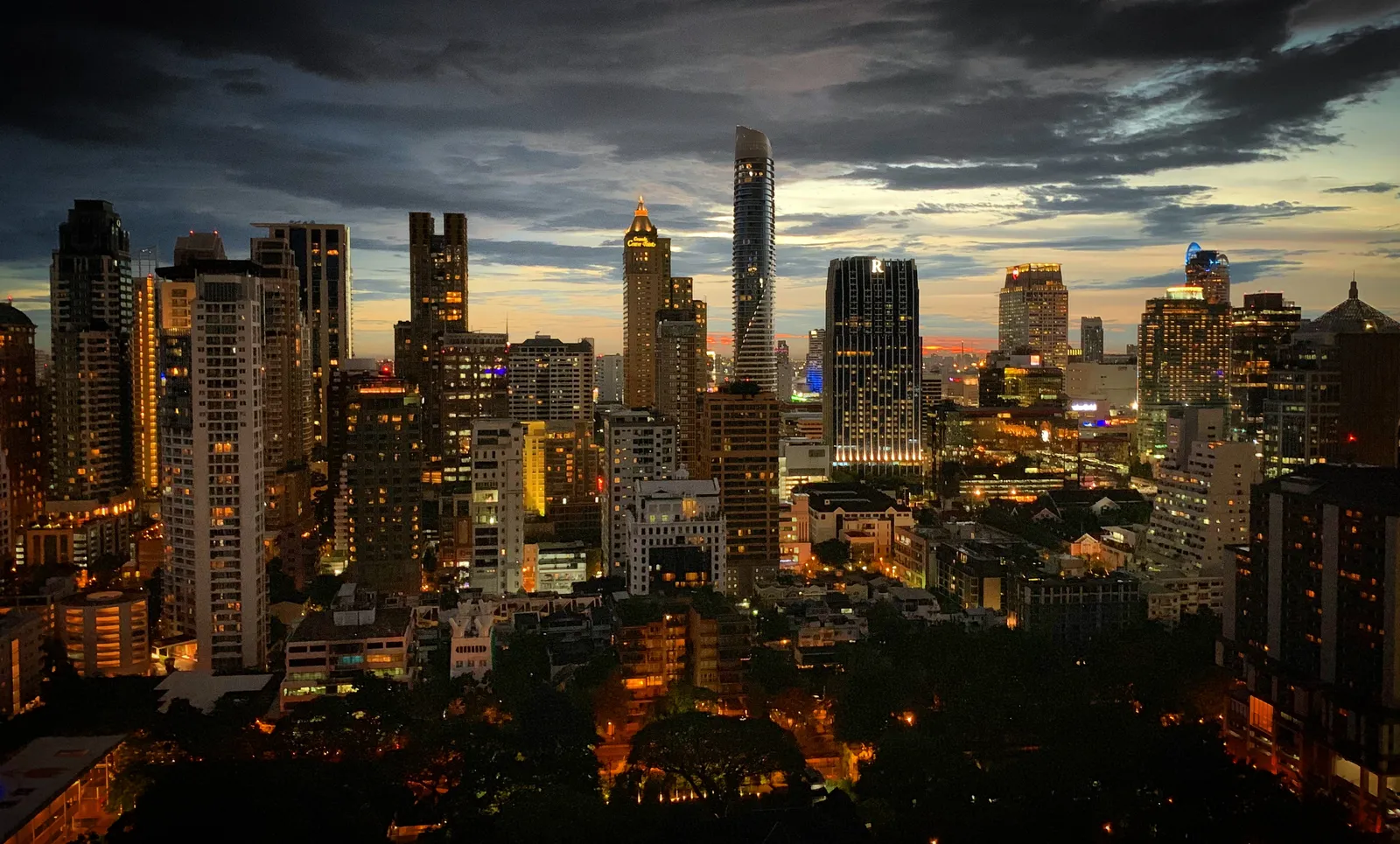
Bangkok's three seasons
Bangkok is a year-round destination, but it has three broad moods. The cool/dry season (roughly November to February) is the easiest time to walk, temple-hop and sit on rooftops, which is exactly why it's the peak season for hotels and crowds. The hot season (March to May) brings intense heat that rewards early temple starts, air-conditioned midday plans and hotel pools — and culminates in Songkran, the April water festival.
The rainy season (May to October) is the value season: showers tend to be short and heavy rather than all-day, and the city's museums, malls, food halls and cafés make excellent intentional plans between downpours. September feels the wettest of the year, so the wet-season routes lean hardest on indoor anchors and flexible timing.
- Cool/dry (Nov–Feb): best walking weather, peak demand
- Hot (Mar–May): early temples, AC midday, pools, Songkran in April
- Rainy (May–Oct): short showers, better value, indoor backups
- September: the wettest-feeling month — plan flexibly

Pick your month
Each month page lays out the typical weather, the festivals on the calendar, how crowds and hotel prices behave, and the routing that works best in those conditions — whether that's pushing temple days and rooftops in the cool season, leaning on malls and food halls in the rainy months, or planning water-zone logistics for Songkran in April.
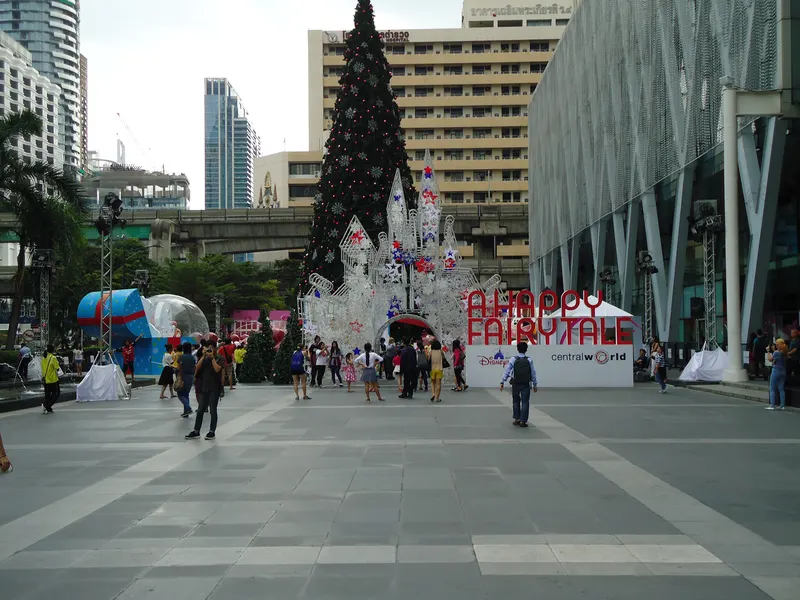
Use the month guides alongside the events hub: many of Bangkok's best experiences are seasonal, from Loy Krathong's floating lights in November to the Christmas lights and New Year countdowns of December. Plan the weather first, then layer the festival on top.