- Best time
- Cool season (roughly Nov–Feb) for comfortable all-day…
- Price
- The cool season is the priciest
- Best for
- Choosing dates by weather tolerance
The three seasons at a glance
Bangkok has three seasons rather than four, and the difference between them is humidity and rain far more than temperature. The cool season runs roughly November through February, the hot season March through May, and the rainy or green season June through October. Even the cool season is warm by most standards, with comfortable but never cold days — this is a tropical city, and you will be planning around heat in every month of the year.
If you remember one thing, make it this: the cool months are the most comfortable for walking, temple-hopping and lingering on rooftops, which is precisely why they are also the priciest and the most crowded. The wet months are cheaper, greener and quieter, with rain that tends to arrive in intense bursts rather than gray all-day drizzle. The hot months sit in between on price but ask the most of your stamina.
Whichever season you land in, mornings are your friend. Start early to beat both the heat and the tour groups, slow down through the hot midday with a long lunch or an indoor stop, and come alive again as the city cools after dark. That single habit shapes a good Bangkok day more than the calendar month you choose.
- Cool (Nov–Feb): lower humidity, the easiest weather, the busiest and most expensive window.
- Hot (Mar–May): the year's most intense heat and haze, with Songkran in mid-April.
- Rainy/green (Jun–Oct): humid, short heavy showers, the lowest prices and the lushest scenery.
- Rain almost never cancels a whole day — build in flexible indoor backups instead of avoiding the wet months.
Cool season (Nov–Feb): the comfortable peak
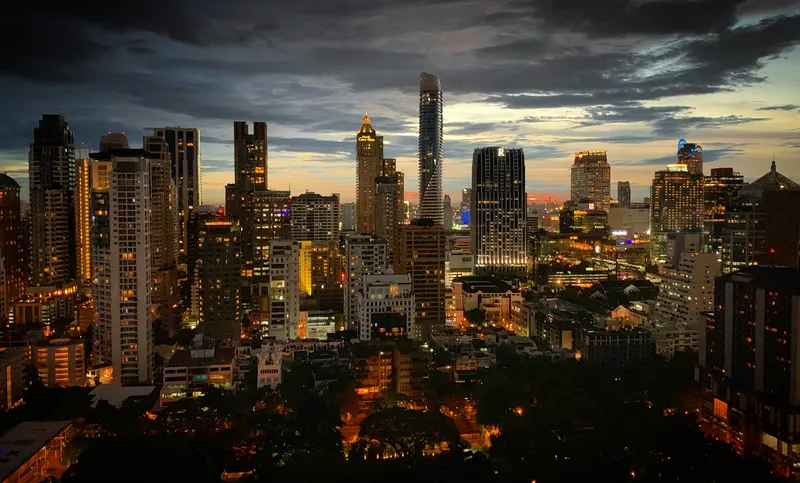
These are the months that locals and repeat visitors quietly recommend. Humidity drops, mornings can feel almost crisp by Bangkok standards, and a rooftop dinner or a long riverside walk stops feeling like a workout. It is the easiest time to be outdoors all day, which makes it ideal for temple circuits, markets and day trips out to Ayutthaya or a floating market.
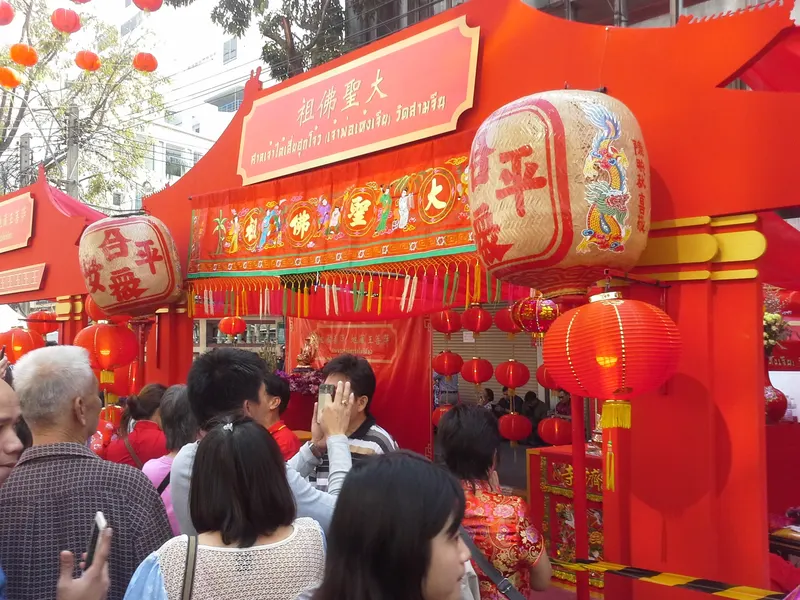
The trade-off is simple: everyone else has the same idea. Hotel rates climb, headline sights like the Grand Palace and Wat Pho fill by mid-morning, and the weekend markets get shoulder-to-shoulder. Book accommodation earlier than you think you need to, especially around Christmas, New Year and Chinese New Year, when the city is at its most festive and its most fully booked.
If a romantic trip is the goal, this is the window for it: cool evenings, festive lights along the river, and weather that rewards slow dinners and unhurried strolls. The cool season is also when an outdoor-heavy itinerary makes the most sense, because you are not fighting the midday heat at every turn.
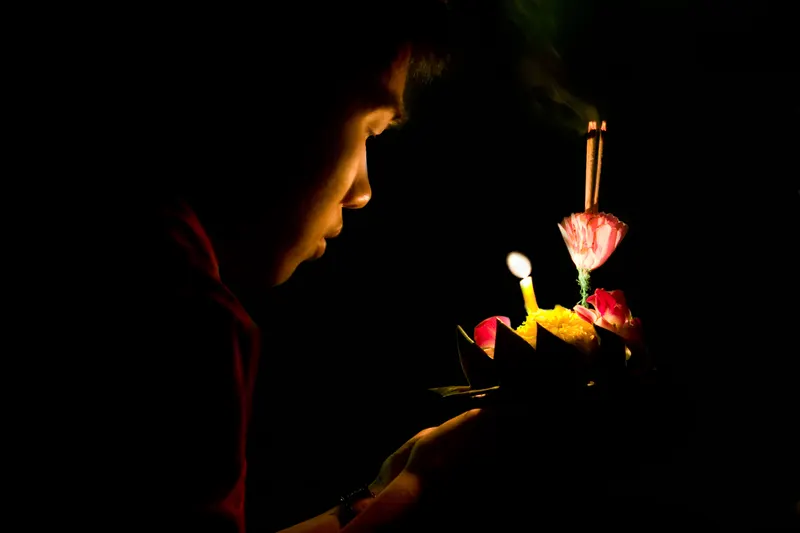
- The best months for walking tours, all-day sightseeing and outdoor evenings.
- Book hotels and popular restaurants well ahead — particularly late December to early January.
- Arrive at major temples at opening to dodge the worst of the cool-season crowds.
- Loy Krathong (usually November) and the year-end festivities land in this window.
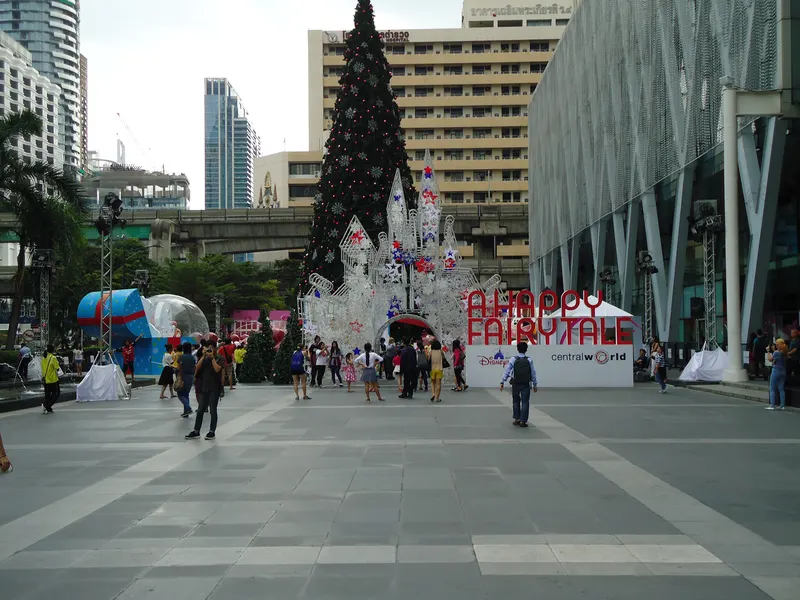
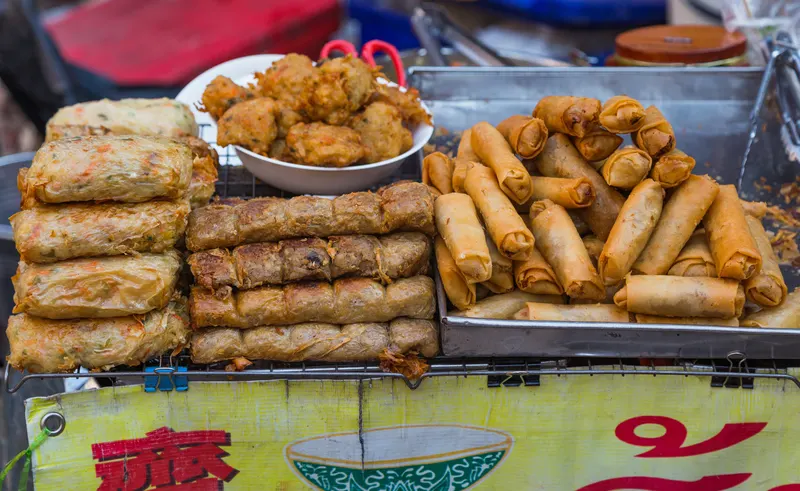

Hot season (Mar–May): heat, haze and Songkran
April is the hottest stretch of the year, with sticky, heavy afternoons and a humidity that makes the city feel hotter still. Some years bring a layer of seasonal haze in March, blown in from agricultural burning to the north. Pace yourself, drink constantly, and treat air-conditioned malls, food courts and cafés as part of the plan rather than a detour — this is the season where an indoor midday block matters most.
The season's saving grace is Songkran, the Thai New Year water festival in mid-April. For a few days the streets become a city-wide water fight, with Khao San Road and Silom at the splashing center. It is joyful, soaking and completely unavoidable if you are nearby, so dress to get wet and waterproof your phone. If you would rather sit it out, plan around the dates and lean on indoor sights for the wettest, busiest days.
Outside of Songkran, lean into the rhythm of the heat: temples and markets early, a long air-conditioned lunch or a spa in the middle of the day, and the river or a rooftop once the sun drops. Done that way, even the hottest weeks of the year are very doable.

- The hottest months — plan an indoor break for midday (malls, food courts, museums, spas).
- Songkran in mid-April: expect city-wide water fights and to get thoroughly drenched.
- March can be hazy in some years; check air quality if you are sensitive.
- Hydrate hard, reapply sunscreen, and save outdoor effort for mornings and evenings.
Rainy / green season (Jun–Oct): cheaper, lusher, underrated
The wet season scares off a lot of visitors, and that is exactly why it can be the best value. Hotel rates fall, big sights breathe a little easier, and the city's parks and the countryside beyond turn vividly green. The rain itself is rarely the all-day drizzle people picture; instead you get sharp, dramatic afternoon and evening downpours that often clear within an hour or two.
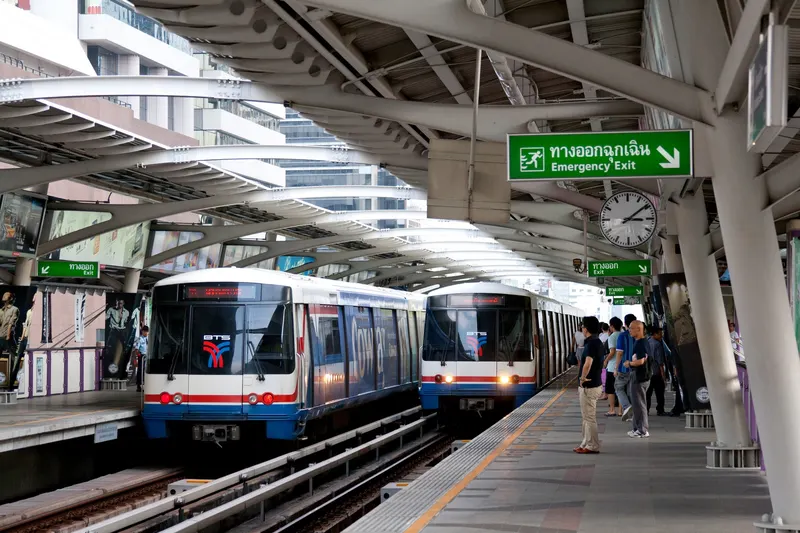
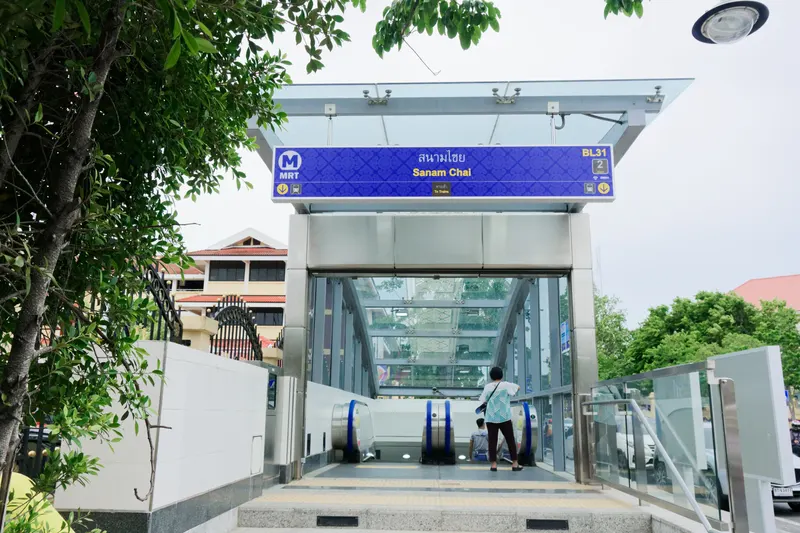
The later months tend to be the wettest, with the occasional bout of street flooding in low-lying areas after a heavy storm. The trick is to plan loosely: keep a museum, a mall, a long lunch or a temple within easy reach so a sudden cloudburst becomes a pause rather than a wasted afternoon. The elevated BTS and underground MRT also keep you moving and dry while the roads flood and taxis vanish.
Pack a compact umbrella or a cheap poncho from a convenience store, wear sandals you do not mind soaking, and you will find the green season has a calmer, more local feel than the busy cool months. For travelers chasing value over guaranteed sunshine, it is genuinely underrated.

- The lowest prices and thinnest crowds of the year.
- Rain comes in short, heavy bursts, usually in the afternoon or evening.
- The wettest months can bring brief flooding in low-lying areas.
- Carry a poncho or umbrella and keep flexible indoor backups handy.

How to choose your dates
Start with what you care about most. If easy weather and festive energy top your list and budget is secondary, aim for the cool season and book early. If you want the best prices, fewer crowds and you do not mind dodging a daily storm, the green season delivers. The hot season is best timed deliberately — either to be in town for Songkran, or simply knowing you are walking into the year's most intense heat and planning your days around it.
Whatever you pick, the same daily shape works: front-load outdoor plans into the morning, take a real midday break, and let the evening carry the city's best moods. Pair your timing with a flexible itinerary and a clear sense of which sights are indoors versus open-air, and Bangkok rewards you in every season. Then nail down a transit-smart base and an airport plan so the logistics never undo a well-chosen month.
- Want comfort and festivities, budget no object: aim for Nov–Feb and book early.
- Want value and calm and can handle rain: the green season (Jun–Oct).
- Want the water-fight experience: mid-April for Songkran.
- In any season: mornings out, midday slow, evenings alive.
Sources
- Thai Meteorological Department ↗
Official Thai weather forecasts and seasonal outlooks.
- Tourism Authority of Thailand ↗
Official festival calendar and seasonal travel information.
- TAT weather & seasons ↗
Official cool, hot and rainy-season overview for planning dates.
- TAT Songkran 2026 ↗
Official confirmation of the 13–15 April Songkran new-year holiday.