- Getting there
- Trains and river boats are the cheapest way around
- Price
- Bangkok is genuinely cheap to enjoy: street meals run…
- Best for
- Backpackers
How far your baht actually goes
Bangkok is one of the most rewarding cities in the world to visit on a budget, because the things that make it special are not the expensive ones. A bowl of street noodles, a plate of rice topped from a cart, a ride on the river, a morning in a temple courtyard, an hour wandering a market or a creative district — these are the heart of the city, and they cost very little or nothing at all. The expensive Bangkok of rooftop cocktails and tasting menus is real and lovely, but it is optional; the essential Bangkok is cheap.
That means the single biggest lever on your spend is not your sightseeing — it is your hotel, followed by how you get around and how you eat. Win those three and you can travel comfortably for a long time on modest money while still feeling the city deeply. This guide works through each lever in turn, with honest, evergreen advice and the volatile numbers pushed into the facts card and the linked guides, where current prices belong.
A useful mindset: spend on the things that are uniquely Bangkok and genuinely worth it — one good meal you will remember, one rooftop sunset, one day trip — and be frugal on the rest, where cheap and excellent overlap almost perfectly.
Book ahead
Book budget rooms beside a station, eat where locals queue, and price day trips by public transport before any tour
Sleep cheap without sleeping badly
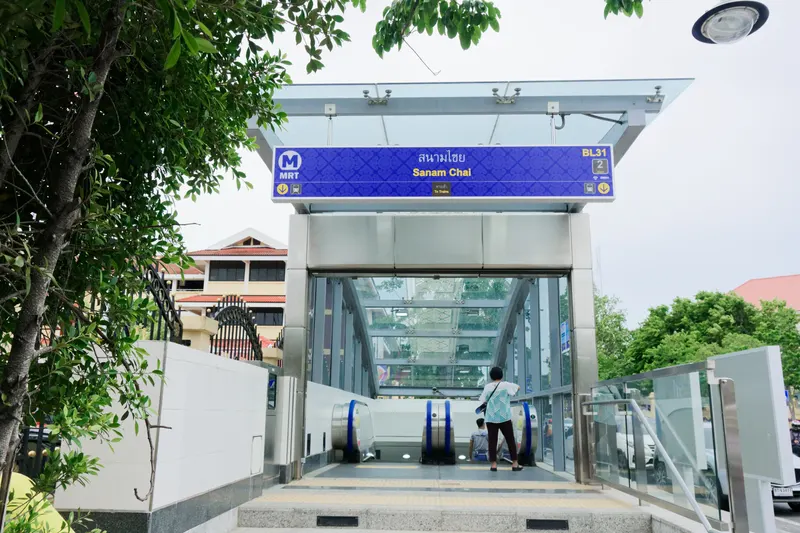
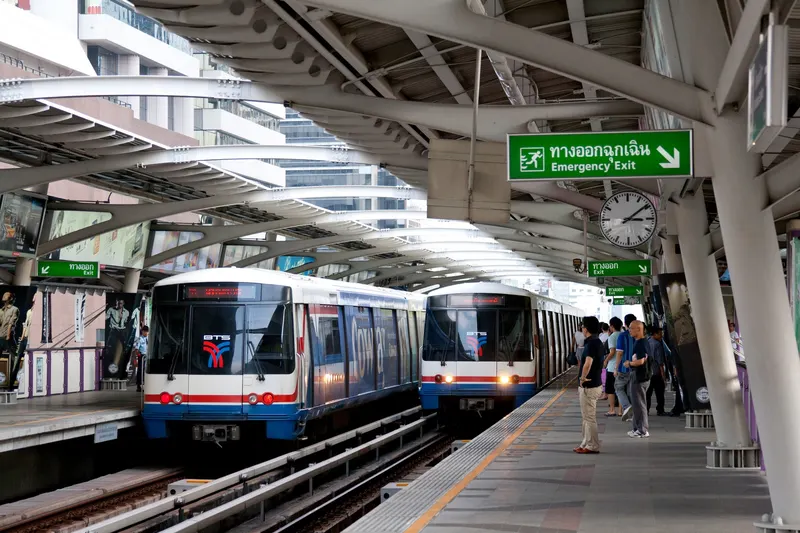
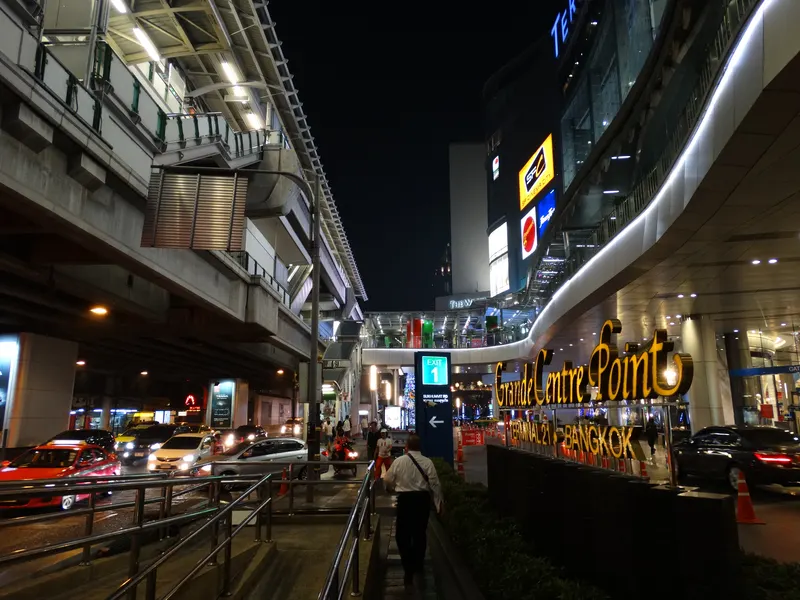
Your room is where a Bangkok budget is won or lost, and the good news is the city is dense with comfortable, clean, well-located budget rooms and hostels. The decisive move is location: base yourself within a short walk of a BTS or MRT station, or near a river pier, so you reach the sights on cheap trains and boats instead of bleeding money into taxis stuck in traffic. A slightly pricier room beside a station often costs less overall than a cheaper one that forces a Grab every time you leave.
Dorm beds and guesthouse rooms cluster in the backpacker quarters and the old town, while value-focused chains and capsules sit along the Sukhumvit and Silom transit lines; pools, a useful breakfast and a real lift are worth checking for, but never trust a star rating to tell you about them — message the property directly. Travel in the rainy or hot shoulder seasons and rates soften; visit in the cool-season peak and you pay for the privilege, so book a little ahead.
We never invent hotel prices, names or availability — so use the budget-hotel guide to narrow the search and then confirm the rate and the room directly with each property before you book.

- Base beside a BTS/MRT station or a pier to swap taxi fares for cheap trains and boats.
- Backpacker quarters and the old town for dorms; transit-line chains for value private rooms.
- Shoulder-season rates are softer; the cool-season peak costs more, so book ahead.
- Confirm lift, breakfast and pool with the property — a star rating won't tell you.


Get around for next to nothing
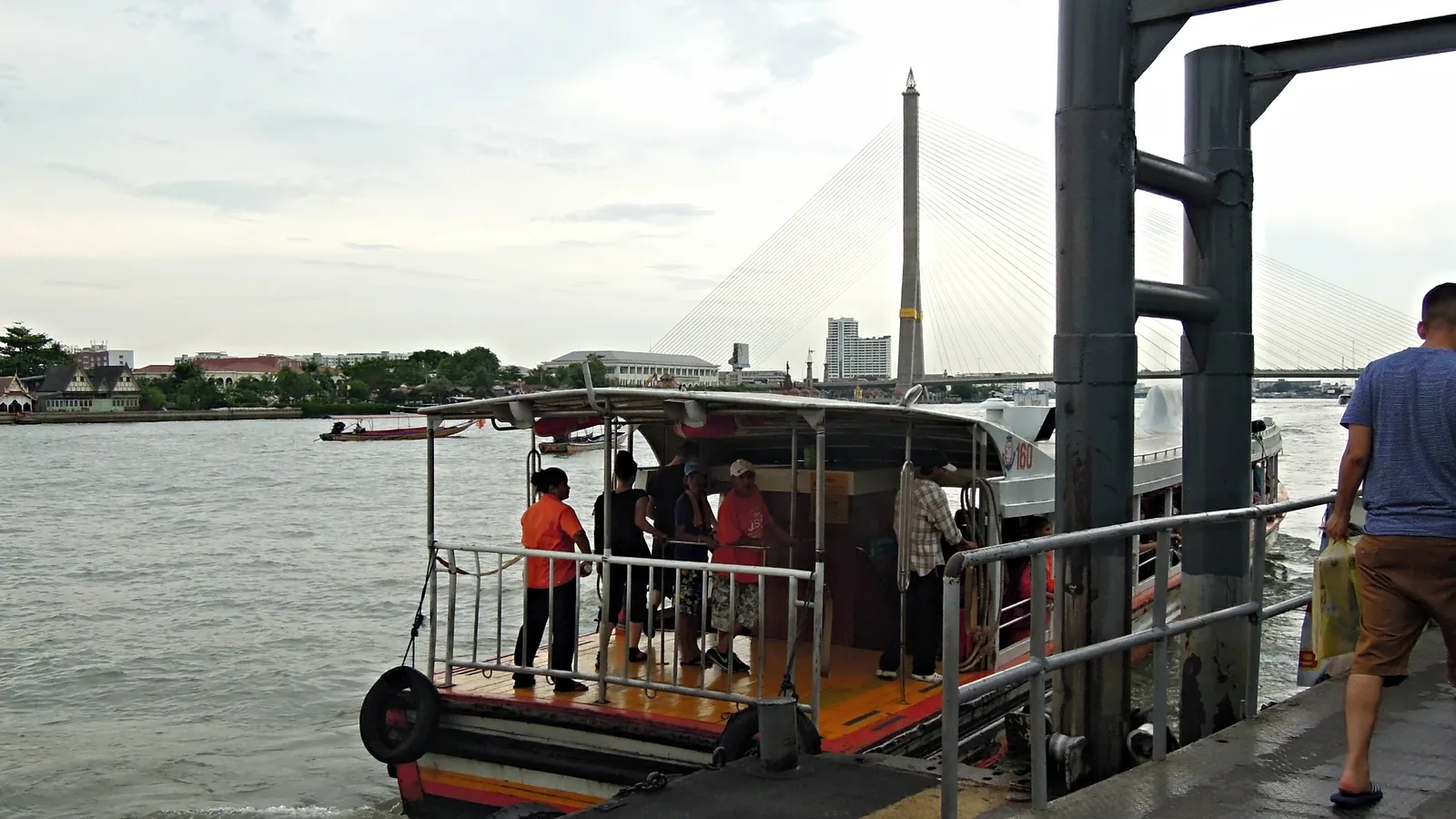
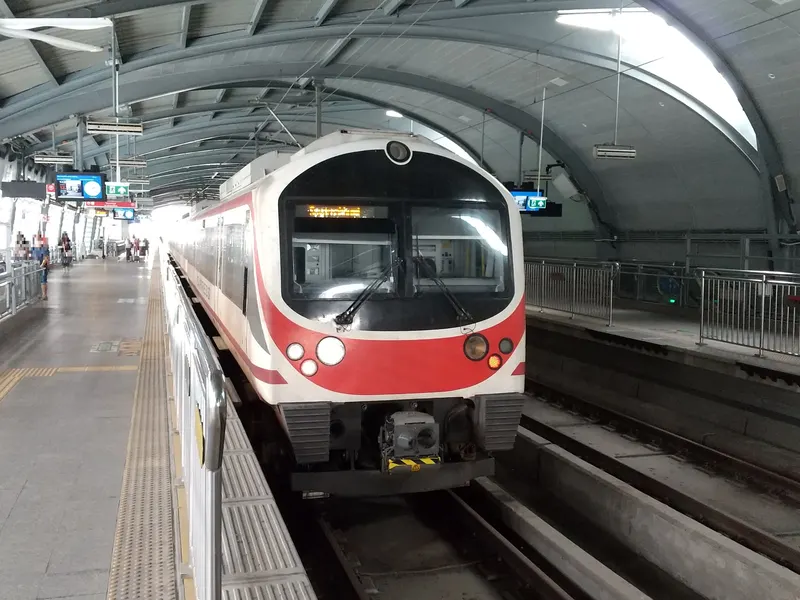
Bangkok is a cheap city to move around, and the cheapest options are usually the best ones too. The BTS Skytrain and MRT subway are fast, spotless, air-conditioned and inexpensive per ride; the orange-flag Chao Phraya commuter boat is the cheapest way along the river and doubles as the best free-feeling sightseeing in the city, with a breeze that is welcome relief from the heat. Between them, the trains and the river cover most of what a visitor wants to reach.
From the airport, the Airport Rail Link from Suvarnabhumi and the bus or train from Don Mueang both undercut a taxi and dodge the traffic, as long as you are travelling light enough to manage the steps and gaps. In the city, walk the compact clusters — the old town temples, a market, a creative district — rather than paying to hop between sights that are minutes apart on foot. Save Grab and metered taxis for late nights, heavy rain and the bag-laden airport leg, where the door-to-door comfort is worth it; price the same trip in more than one ride app and take the cheaper quote.
Skip the tuk-tuk as a transport strategy: it is rarely cheaper than a metered taxi, you negotiate every fare, and any driver pushing a 'special tour' or a gem shop is running the oldest scam in the city. A short, agreed-price hop for the novelty is fine; crossing town is not what it is for.
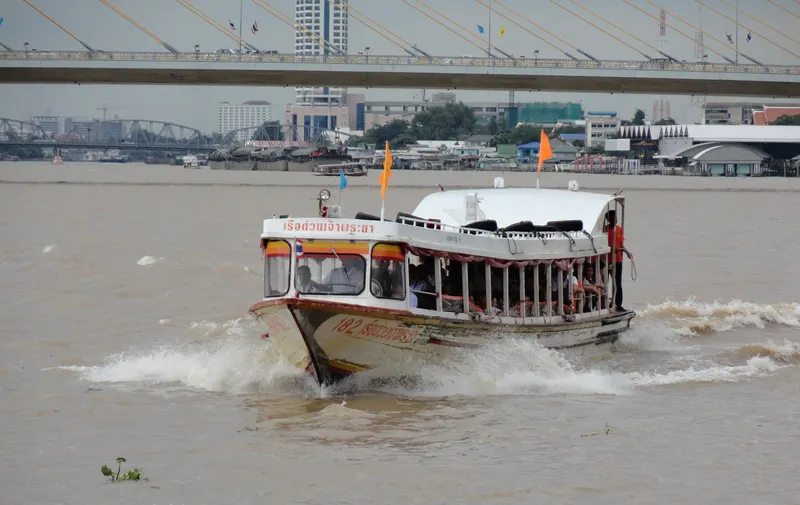
- BTS, MRT and the orange-flag river boat are cheap, fast and beat the traffic.
- Airport Rail Link or the airport bus undercut taxis if you travel light.
- Walk the compact clusters; save Grab for late nights, rain and airport runs.
- Treat tuk-tuks as a one-time novelty, not transport — and ignore 'special tour' offers.

Eat brilliantly for a few baht
Food is where Bangkok's value is most joyful. The street stalls, the market food courts and the neighborhood shophouse kitchens serve some of the best food in the city for a fraction of a restaurant plate, and frugality here is not a sacrifice — it is the better meal. A bowl of boat noodles, a plate of pad thai or rice from a cart, a fresh-fruit bag from a vendor, an iced coffee from a corner stall: this is the everyday Bangkok that locals eat, and it is cheap precisely because it is good.
The reliable rule is to eat where Thais queue. A busy cart with a line and a high turnover is fresher, tastier and safer than an empty one, and the night markets and Chinatown's after-dark food streets turn a cheap dinner into the evening's entertainment. Mall food courts are an underrated budget hero — air-conditioned, card-or-coupon simple, with dozens of regional dishes at low fixed prices, and a free escape from the midday heat into the bargain. Carry small cash, because the best stalls are cash-only.
Spend your eating-out budget deliberately: keep most meals to the streets and food courts, then put the saving toward one experience you actually want — a single rooftop sunset drink, one sit-down dinner, or a market food crawl — rather than spreading it thin across forgettable mid-range restaurants.
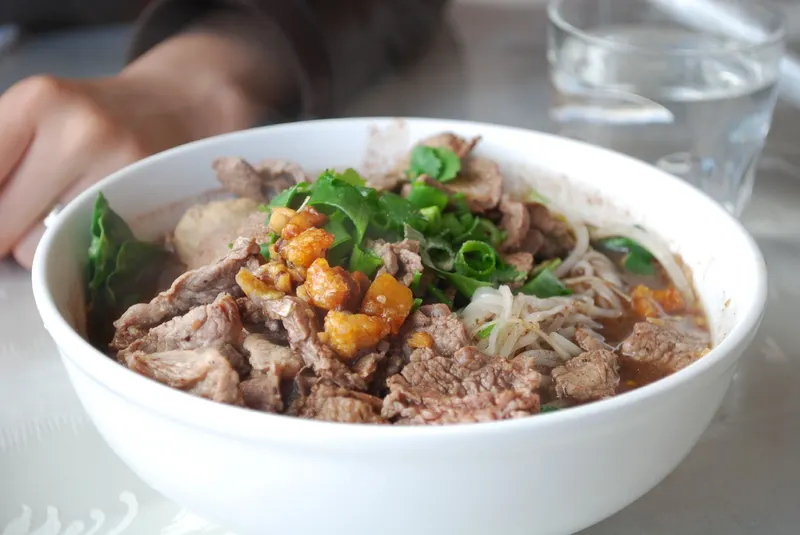
- Eat where locals queue — high turnover means fresher, tastier and safer food.
- Night markets and Chinatown make a cheap dinner the evening's entertainment.
- Mall food courts are cheap, air-conditioned and a free heat escape.
- Carry small cash; the best stalls are cash-only.

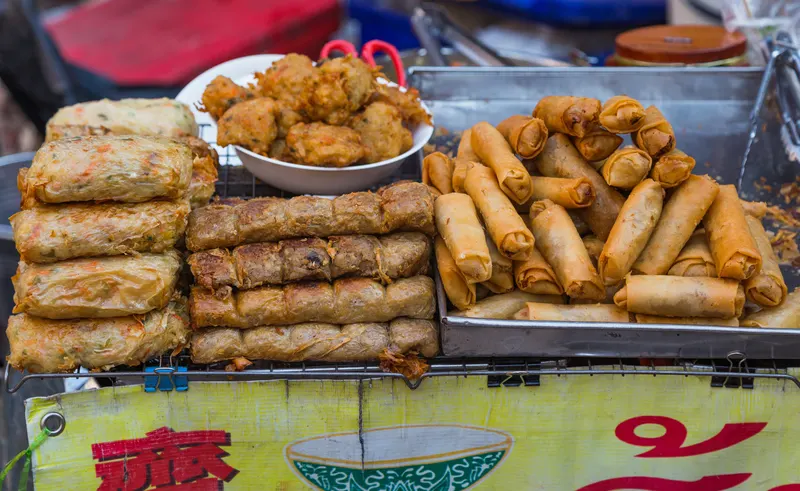
See the city for free — sights, markets, museums and parks
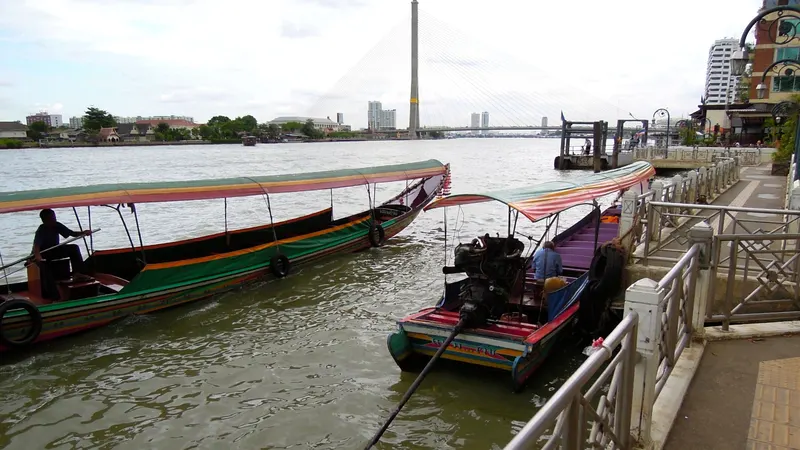
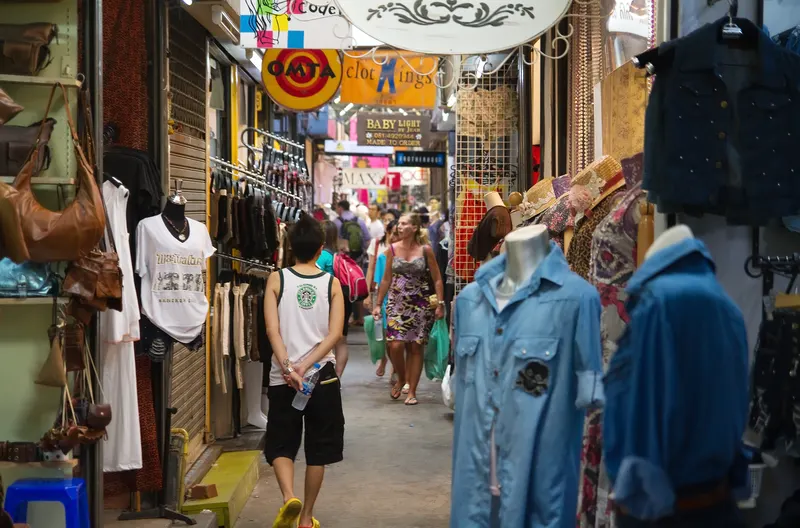
Bangkok's free and near-free layer is deep, and it is where the city feels most itself. The single best free experience is the river: ride the cheap commuter boat past the temples and the towers and you have had the best sightseeing in town for the price of a snack. The old-town temple courtyards are mostly free to wander even where the headline halls charge a modest entry, and the city's markets — the vast weekend market, the flower market, the night markets — cost nothing to browse and everything to enjoy.
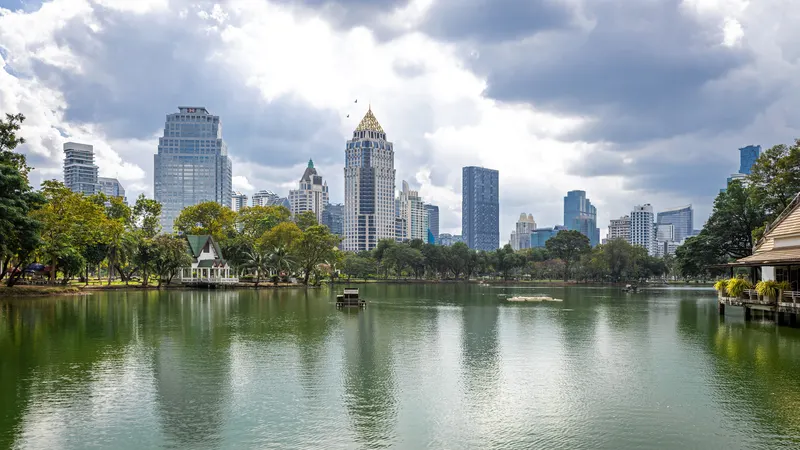
For the heat of the day, lean on free and low-cost indoor culture: a number of Bangkok's museums and art centers are free or charge only a small entry, and several offer free-admission days, so it is worth checking each one's current policy. The creative and street-art districts reward slow, free wandering, and the big city parks — Lumphini and its neighbors — give you green air, lake breezes and skyline reflections for nothing, best in the cool of dawn or the softening light of late afternoon. String these together and a full, rich Bangkok day can cost barely more than your meals and a couple of train rides.
If you want this turned into a route, the free-things guide and the budget itinerary sequence the no-cost city around the heat, and the day-trip note below shows how to extend the same thinking beyond the city limits.
- Ride the cheap river boat for the best sightseeing in the city.
- Wander temple courtyards, markets and creative districts for free.
- Use free or low-cost museums and art centers as heat escapes — check current policies.
- Parks at dawn or dusk give green air and skyline views for nothing.
Day-trip cheap and keep one splurge
The budget mindset extends out of the city. The best day trips — the old capital of Ayutthaya, the floating and railway markets, the leafy escapes on the river bends — are all reachable by public transport for a sliver of a packaged tour. The train to Ayutthaya is scenic, cheap and immune to road traffic; minivans and buses reach the southwestern markets and beyond for low fares. Price the public-transport route first; a guided tour buys you convenience and commentary, not a better destination, so book one only where the saved hassle is genuinely worth the markup.
Hold something back for a single, deliberate splurge — the experience your trip would feel incomplete without. For most people that is one rooftop sunset drink, one proper sit-down dinner, or one well-chosen tour. Spending almost nothing for days makes that one indulgence land far harder than it would on a trip where every evening is expensive. That is the whole budget philosophy in a sentence: cheap by default, generous on purpose.
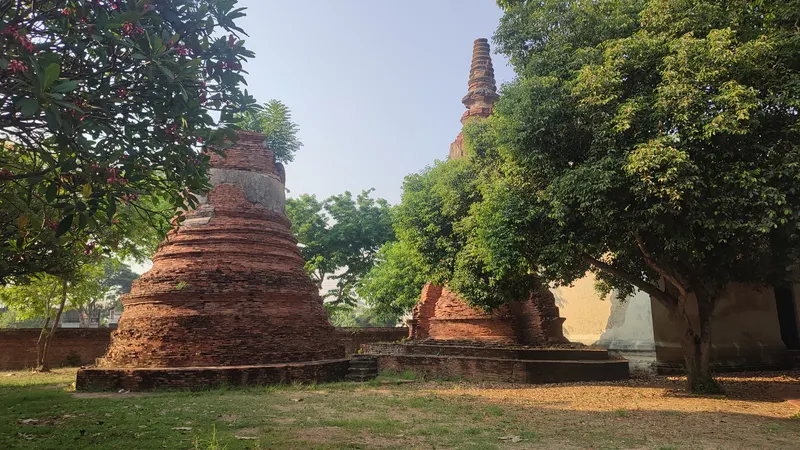
- Reach Ayutthaya and the markets by train, bus or minivan for a fraction of a tour.
- Price the public-transport route before any guided day tour.
- Bank the savings toward one deliberate splurge that the trip would miss without.
- Cheap by default, generous on purpose.
Sources
- BTS Skytrain (official) ↗
Official site for current Skytrain routes and fares.
- MRTA (Bangkok MRT) ↗
Official Mass Rapid Transit Authority site for the subway network and fares.
- Chao Phraya Express Boat (official) ↗
Official commuter-boat operator for the cheap orange-flag river service, routes and current fares.
- Suvarnabhumi transport guide (official) ↗
Official airport page comparing the Airport Rail Link, bus, taxi and Grab into the city.