- Nearest
- MRT Wat Mangkon (in the heart of Chinatown) and MRT H…
- Price
- From hostels and old shophouse hotels to a growing cr…
- Best for
- Food-first travelers
Why stay in Chinatown
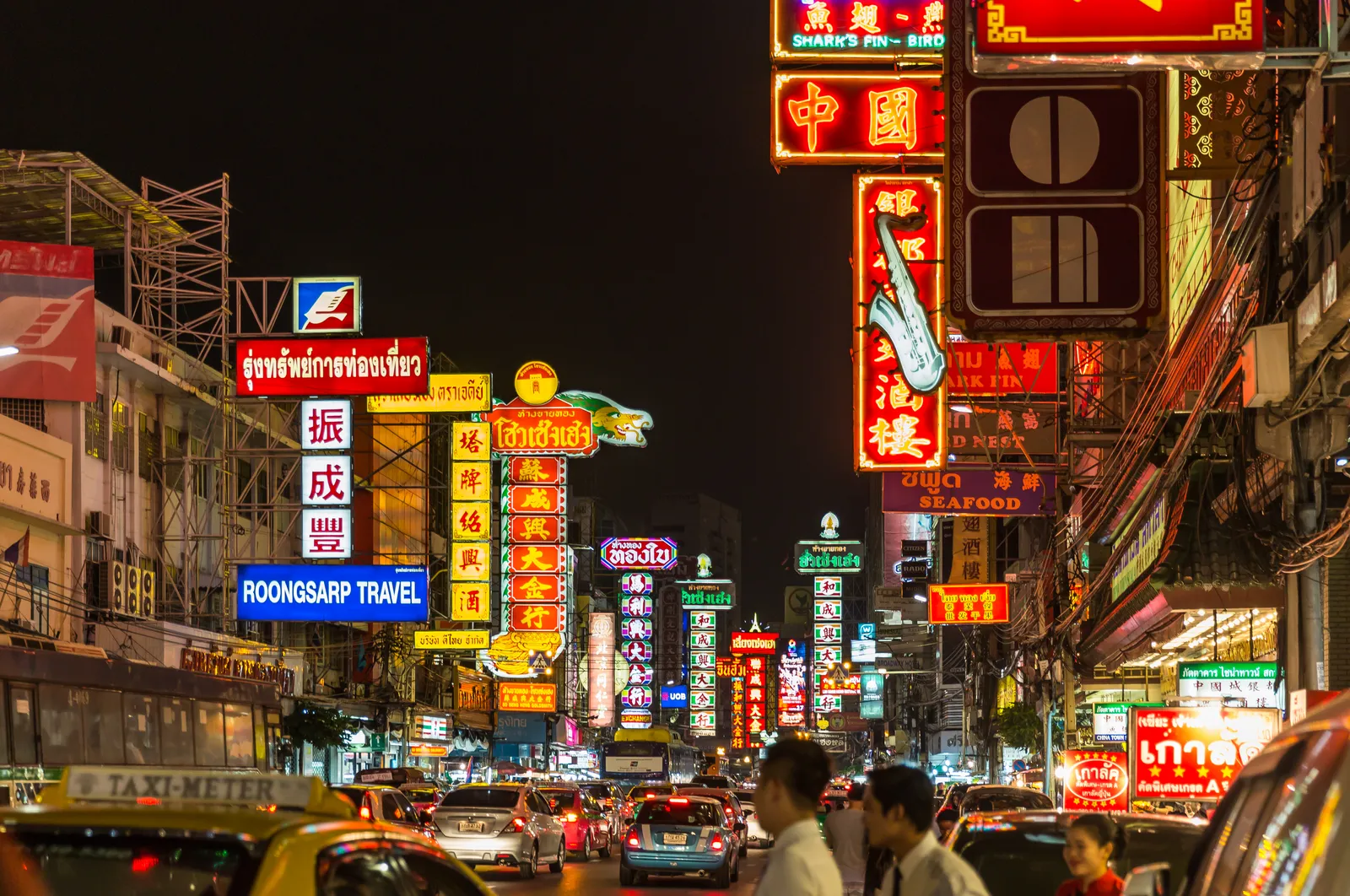
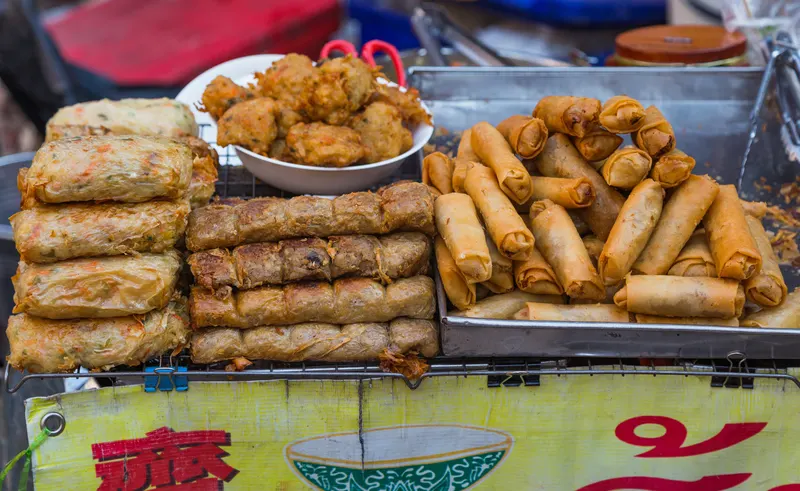
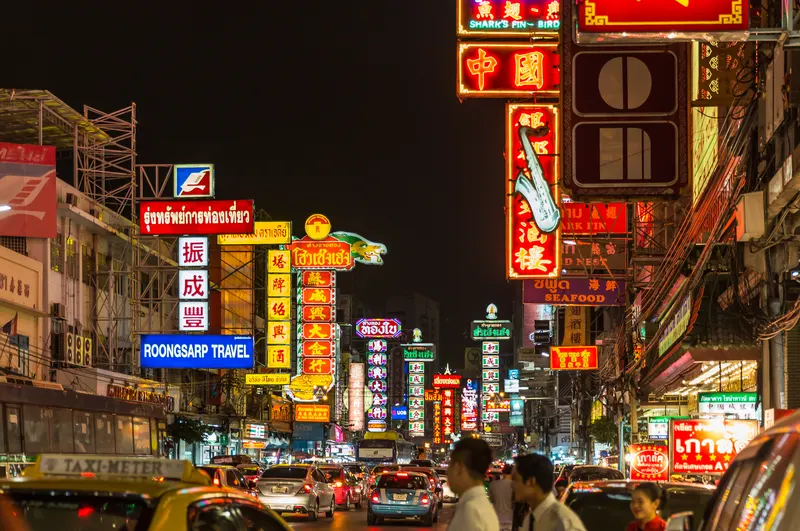
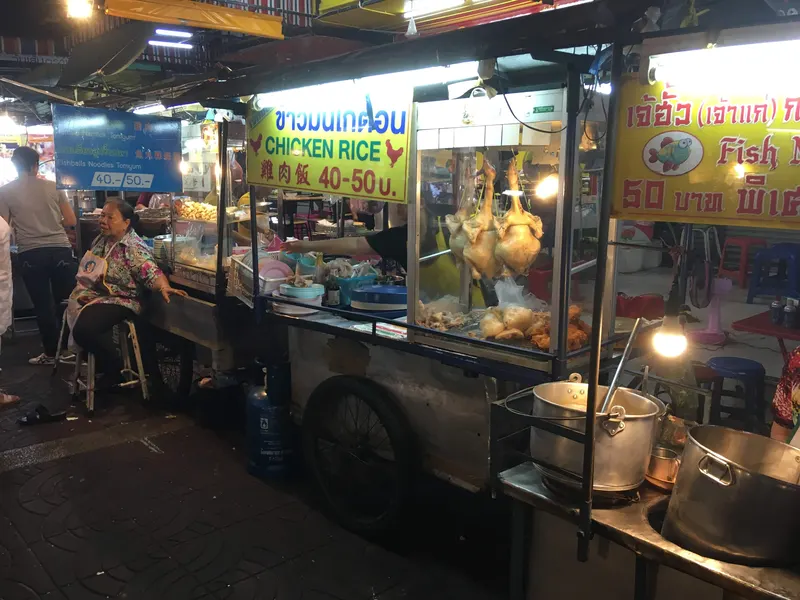
Yaowarat, Bangkok's Chinatown, is the single best reason to stay here: after dark it becomes an open-air kitchen, a river of neon, sizzling woks and tables spilling onto the pavement, widely regarded as the finest concentration of street food in the country. Basing yourself in or beside it means you can graze your way down Yaowarat Road and into the side sois, then walk a couple of minutes home — no taxi, no train, no traffic. For travelers whose trip is organised around eating, that doorstep access is worth more than any pool view, and it is something no other Bangkok base can offer.
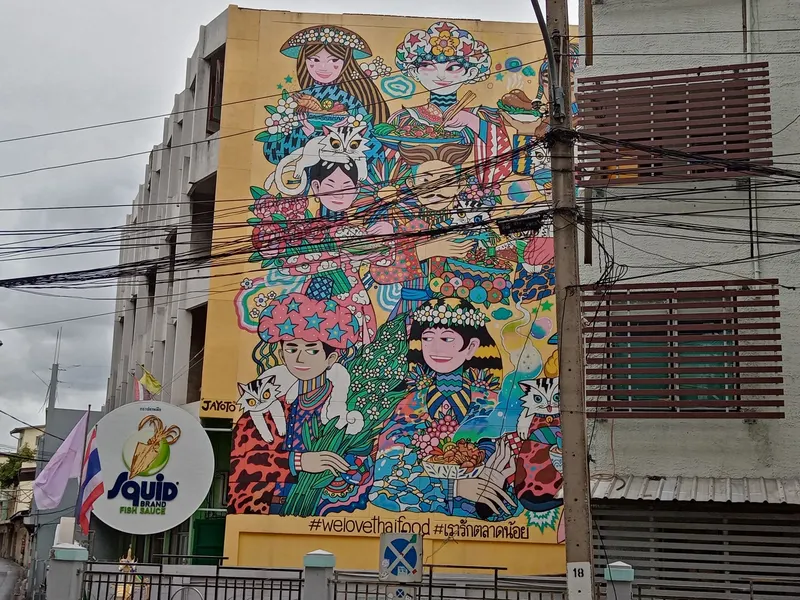
Beyond the food, Chinatown is one of the most atmospheric and characterful corners of the city: gold shops and herbal pharmacies, market lanes, lantern-strung alleys, the gilded Buddha of Wat Traimit at the entrance and the ornate Wat Mangkon temple in the heart of the district. It is dense, loud and gloriously alive, and it sits a short hop from both the Old Town temples and the creative riverside of Charoen Krung. The trade-offs are the heat and crush of the daytime, the limited supply of polished hotels, and the noise — which is precisely why you came, but which can test a light sleeper.
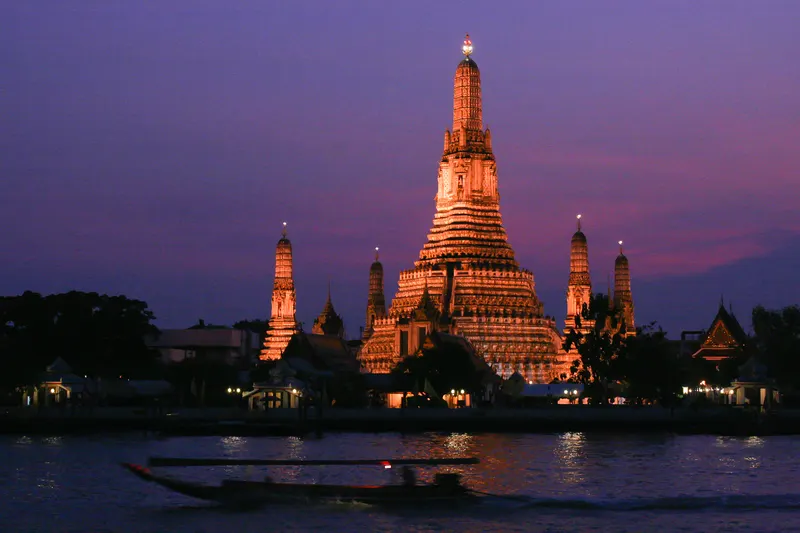
Watch out
Stick to busy, freshly cooked stalls; agree tuk-tuk fares before you ride and ignore unsolicited 'special tour' offers
Book ahead
Pick a hotel near MRT Wat Mangkon, and ask for a quieter back room if you are a light sleeper — the food sois run late
Find your bearings
Map pins
Map data © OpenStreetMap contributors · Tiles © OpenFreeMap
MRT access and getting around
Chinatown used to be a transit blind spot, but the MRT Blue Line changed that: there is now a station at Wat Mangkon right in the heart of the district, and another at Hua Lamphong on the fringe, so a Chinatown base is far better connected than its old reputation suggests. From Wat Mangkon you can ride the subway to the Old Town's edge, to Sukhumvit via the interchanges, and across to Chatuchak market — which makes a food-led Chinatown stay genuinely workable for a full Bangkok trip, not just a single hungry evening.
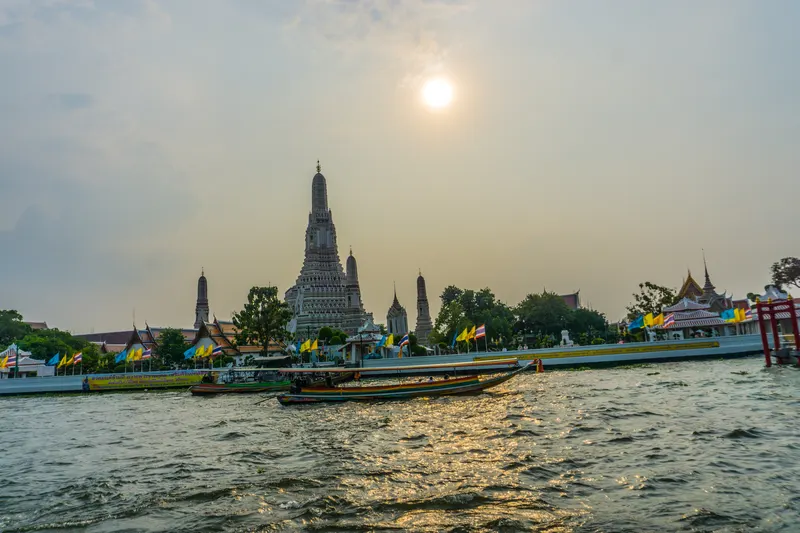
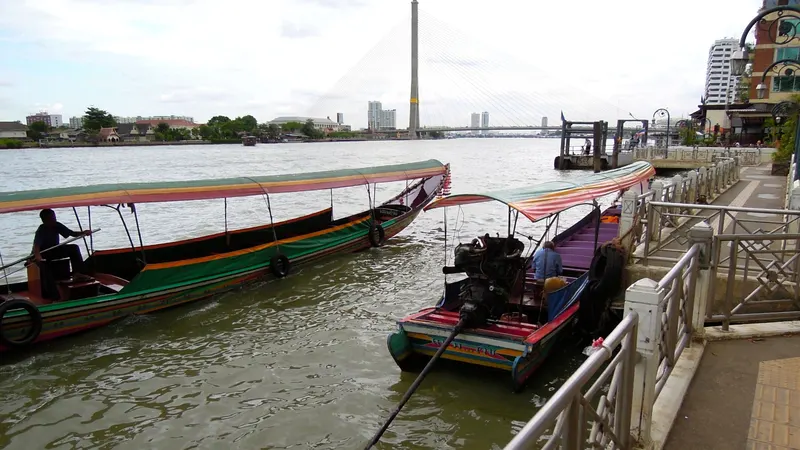
Beyond the MRT, the river is close: the Ratchawong pier links Chinatown to the Chao Phraya express boats, and taxis and tuk-tuks handle the short hops the train misses. When you book, aim for a hotel within walking distance of MRT Wat Mangkon — the lanes are tight and the foot traffic dense, so being near the station saves you a hot, crowded slog with luggage. As across the city, agree any tuk-tuk fare before you set off and ignore unsolicited offers of a 'special tour'.
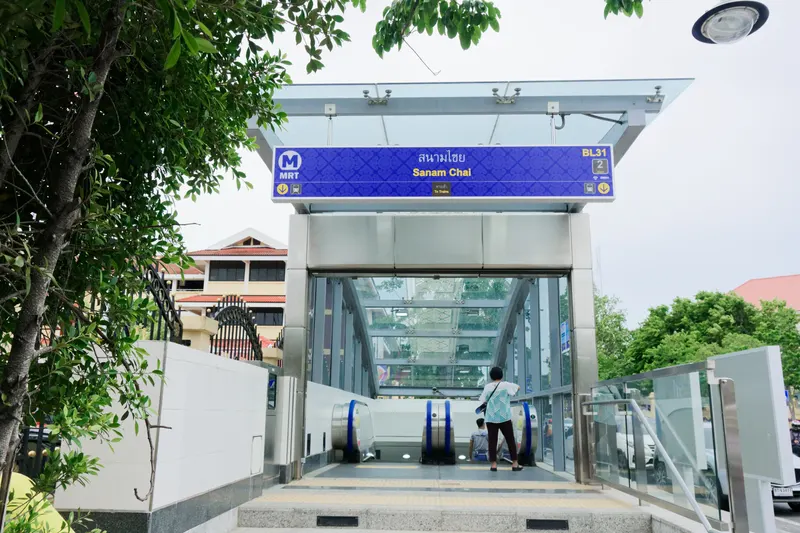
- MRT Wat Mangkon — in the heart of Chinatown, your main transit anchor
- MRT Hua Lamphong — the fringe station and former rail terminus
- Ratchawong pier — links Chinatown to the Chao Phraya express boats
- Taxis and tuk-tuks — for short hops; agree the fare first
- Tight, crowded lanes — book near the station to ease the walk with bags
Mid-range — boutiques in the Yaowarat lanes
Chinatown's mid-range is a crop of design-led boutiques in restored heritage shophouses, trading polish for personality and a position right in the food district. Atmosphere on the doorstep, often with a rooftop to escape the crush.
- Chinatown · Talat Noi฿฿ · ~฿2,200/night
Ago Hotel Chinatown
A modern urban-retreat boutique built around a lush garden with a rooftop saltwater pool, set on Mahapruttharam Road on the edge of the old Talat Noi quarter.
- Chinatown · Soi Nana฿฿
Ba Hao Residence
Two en-suite guest rooms sit above the moody Ba Hao cocktail bar in a renovated shophouse on Chinatown's hip Soi Nana, with one room overlooking the lane and another facing Wat Traimit.
- Chinatown · Yaowarat฿฿ · ~฿3,500/night
Shanghai Mansion Bangkok
Set in an 1892 building on Yaowarat Road that once served as Bangkok's first Chinese opera house, the Thai stock exchange and a textile-trading house.
jazz-age Chinatown glamour ✦
Budget — hostels and shophouse stays
Down the lanes sit sociable hostels and simple shophouse rooms that put you a few steps from the night kitchens for very little money. Book near the MRT, and ask for a quieter back room if the late food sois will keep you up.
- Chinatown · Talat Noi฿ · from ~฿400
Loftel 22 Hostel
Tucked into the century-old Talat Noi riverside quarter, within walking distance of Chinatown, Wat Pho and the Grand Palace.
design-hostel value off the river ✦
- Chinatown · Yaowarat฿ · from ~฿350
Luk Hostel
A completely renovated Chinese-style building with an impressive rooftop and glasshouse, three minutes' walk from Yaowarat's food stalls.
Boutique hotels, hostels and the noise question
Chinatown's hotel scene has quietly transformed. Alongside the long-standing hostels and simple shophouse hotels that suit budget and backpacker travelers, a wave of design-led boutique hotels has opened in restored heritage buildings, offering small, characterful rooms, rooftop bars with skyline views and a strong sense of place. This is one of the best parts of Bangkok for a stylish, atmospheric stay that does not cost grande-dame money, and it pairs naturally with the boutique scene in neighbouring Charoen Krung and Talat Noi.
The honest caveat is noise. Chinatown is dense and runs late, and the food sois that make it special are loud well into the night, with deliveries and markets starting early. If you sleep lightly, ask specifically for a room set back from the street, on a higher floor or facing an interior court, and read recent reviews for the property's sound insulation. Night owls and food obsessives will love being in the thick of it; everyone else should simply book with the noise in mind rather than be surprised by it.


Who should stay here — and who should skip it
Stay in Chinatown if your trip is built around food, atmosphere and the night — if you want to eat your way through Yaowarat, wander lantern-lit lanes, and live in one of the most characterful districts in Asia, with the MRT and the river close enough to reach the rest of the city. It is also a strong base for travelers who like to walk to neighbouring Charoen Krung, Talat Noi and the Old Town, stitching together a low-rise, old-Bangkok trip on foot and by boat.
Skip it if you want a pool resort, a polished five-star, family-sized rooms with easy stroller access, or a quiet night's sleep without planning for it — the crowds, the heat and the noise are intrinsic to the place. Families and luxury travelers usually do better on the river or in Siam, and nightlife-and-dining-variety seekers in Sukhumvit. Many visitors get the best of both worlds by spending an evening — or a night or two — in Chinatown for the food, then basing the rest of the trip somewhere with more space and transit.