- Time needed
- Two to three hours for the highlights
- Best time
- Open early in the cooler morning
- Nearest
- MRT Sanam Chai (then a short walk or taxi) or Chao Ph…
- Price
- 200 THB foreign-visitor admission (2026)
What the National Museum is, and why it rewards a visit
The Bangkok National Museum sits on the northwest corner of Sanam Luang, the royal field at the heart of Rattanakosin, a short walk from the Grand Palace and Wat Pho. It occupies a former late-18th-century palace, so before you reach a single display case you are already wandering old throne halls, courtyards and a gilded teak temple. That setting is half the appeal: this is as much a walk through royal Bangkok as it is a museum.
The collection is the richest in the country — rooms of Dvaravati, Khmer, Sukhothai and Ayutthaya sculpture trace how Thai art evolved over more than a thousand years, while galleries of ceramics, musical instruments, weapons and royal regalia fill out the story. It is comprehensive rather than slick, with a lot of low-tech labelling, which is exactly why a little preparation pays off. Come for the headline halls and let the rest wash over you rather than trying to read every caption.
If you have already done the Grand Palace and Wat Pho and want to understand what you saw, this is the place that supplies the context. It is also a genuinely useful air-conditioned refuge in the middle of a hot Rattanakosin morning, and a thoughtful counterweight to the gilt and crowds next door at the palace.
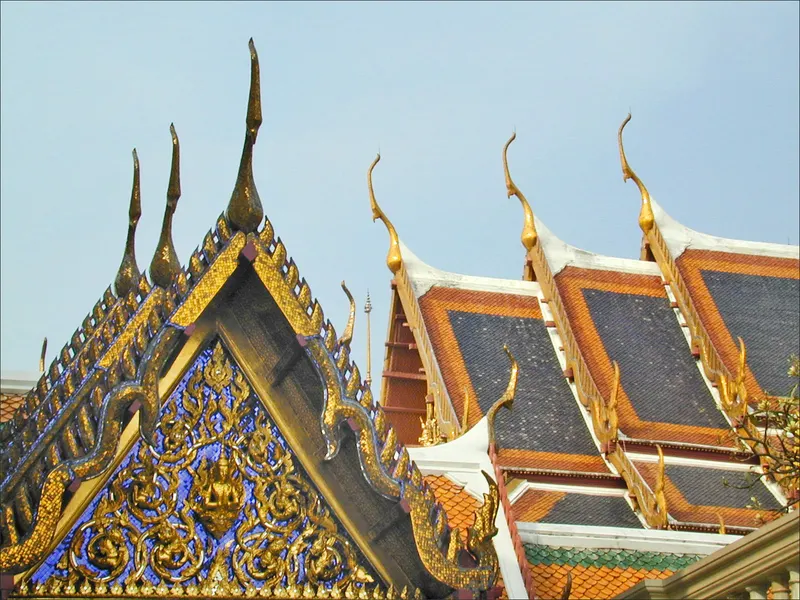
- A former royal palace turned national collection, beside Sanam Luang
- Thai sculpture from Dvaravati and Khmer through Sukhothai and Ayutthaya
- Royal funeral chariots, regalia, ceramics, instruments and weapons
- Best treated as a guided highlights tour, not a room-by-room marathon
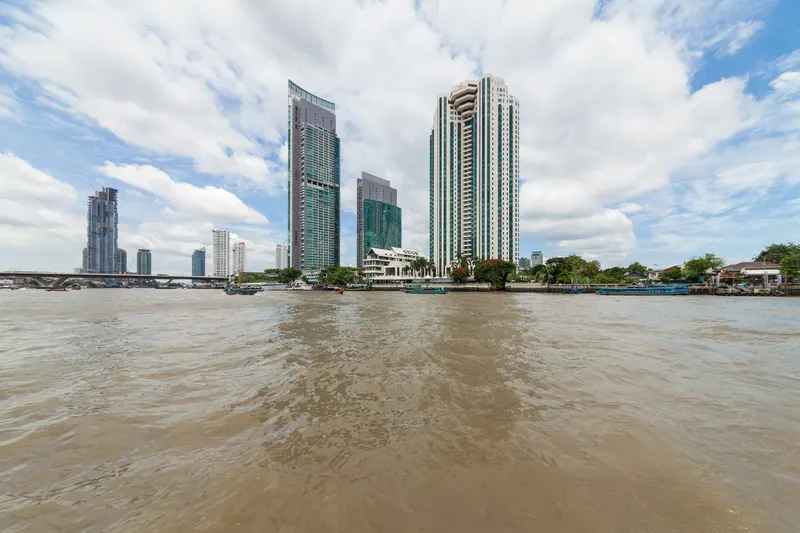
Dress code
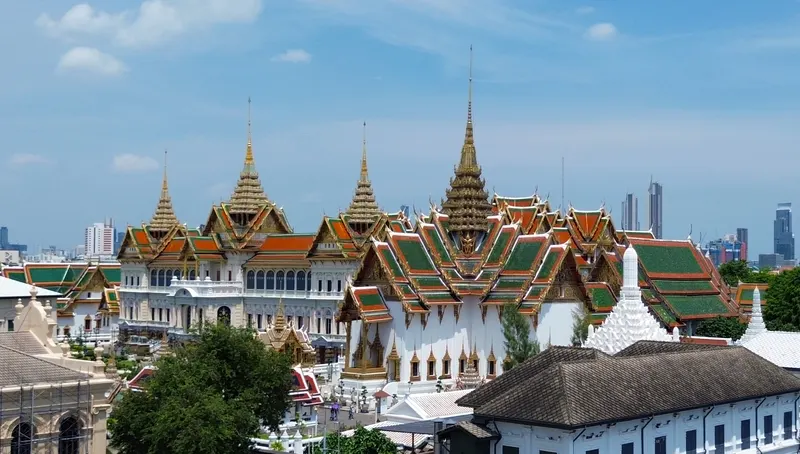
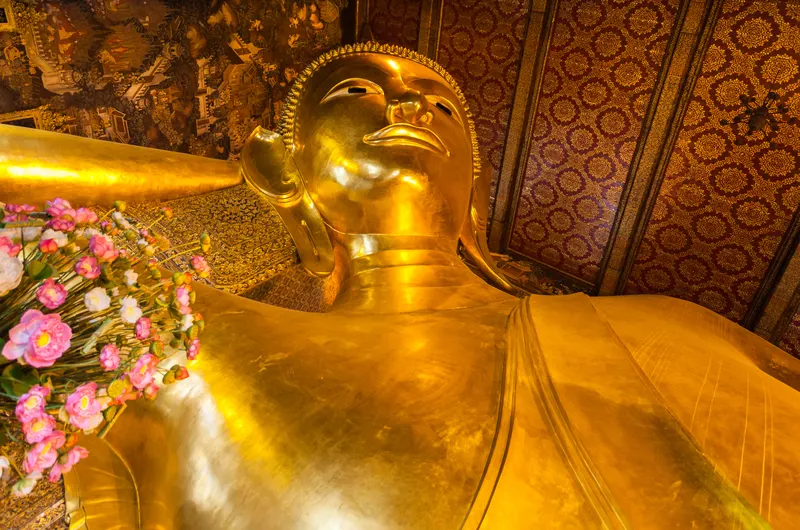
Modest dress for the Buddhaisawan Chapel — cover shoulders and knees, shoes off inside
The highlights: the chapel, the chariots and the sculpture wings
Three things justify the trip on their own. The Buddhaisawan Chapel is a serene gilded teak hall that shelters one of Thailand's most revered Buddha images, the Phra Phuttha Sihing, surrounded by old murals — it is a working place of worship, so cover your shoulders and knees and slip off your shoes inside. The royal funeral chariots, kept in their own hall, are the size of small houses, intricately carved and gilded, and used in actual royal cremation ceremonies; standing beneath them is one of the museum's great surprises.
The prehistory and sculpture wings are the third pillar. Walking them in order, you watch Thai Buddhist art take shape across the centuries, from early influences to the slim, serene Sukhothai forms many travelers find most beautiful. If your time or attention is limited, do these three — chapel, chariots, sculpture — and skip the rest with a clear conscience.
Because the labelling is sparse and the building rambles, the single best upgrade to your visit is a guided tour. Free English-language volunteer tours run on select mornings and transform a confusing maze into a coherent narrative; check whether one is running on the day you visit and time your arrival to join it.
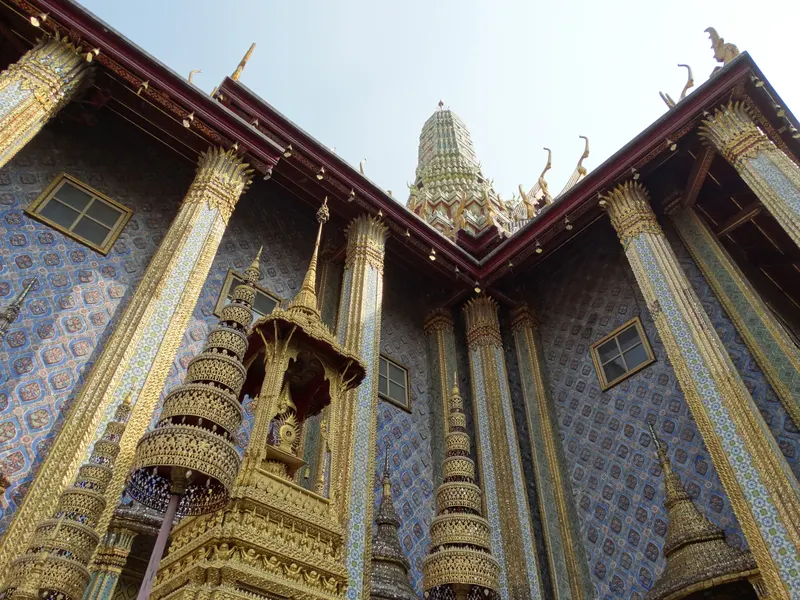
- Buddhaisawan Chapel — gilded teak hall, the Phra Phuttha Sihing image, modest dress and shoes off
- Royal funeral chariots — house-sized, carved and gilded ceremonial vehicles
- Sculpture wings — Thai Buddhist art from Dvaravati and Khmer through Sukhothai and Ayutthaya
- Free volunteer-led tours on select mornings make the collection click
Getting there, time needed and dodging the heat
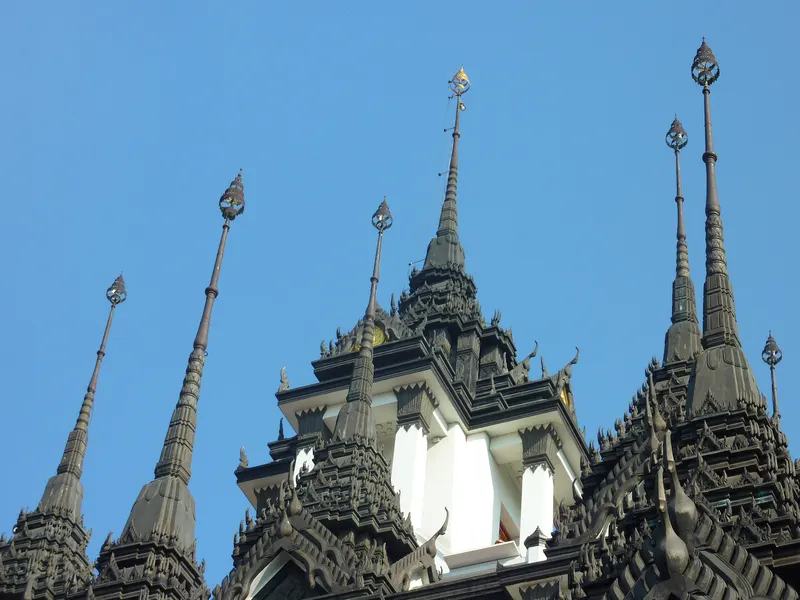
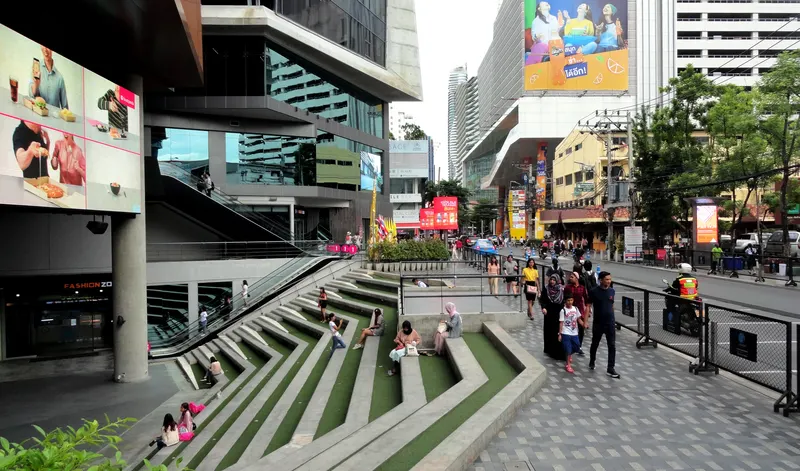
The museum is firmly in the old royal quarter, which the BTS Skytrain does not reach. The cleanest rail approach is the MRT Blue Line to Sanam Chai, then a short taxi or a flat walk across Rattanakosin; from the river, the Chao Phraya boats to Tha Chang or Tha Phra Chan piers put you within a few minutes on foot. A metered taxi or Grab from a central hotel is cheap but slow in late-morning traffic, so the boat or MRT is usually the smarter call.
Budget two to three hours for the highlights, or a relaxed half-day if you join a volunteer tour and linger in the chapel and chariot halls. Go in the cooler morning, both to beat the heat on the exposed courtyards and because, like many Thai museums, it commonly closes on Mondays and Tuesdays and tends to wind down by mid-to-late afternoon. Carry small cash for the gate, water for the walking, and dress so you can cover up easily for the chapel.
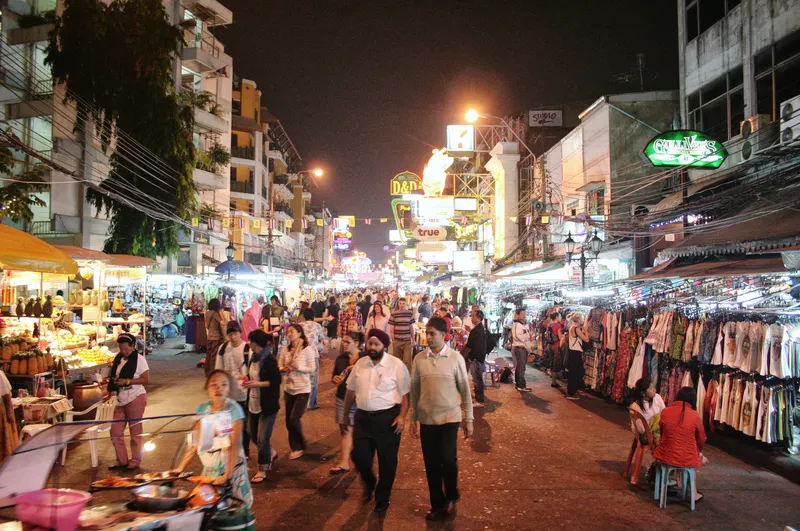
For sequencing, the museum slots neatly into a temples-and-history morning: open with Wat Pho or the Grand Palace at opening, walk over here before the midday heat builds, and keep an air-conditioned lunch or café in reserve. From Sanam Luang it is also a short walk or hop to Khao San Road, which makes a relaxed afternoon and evening base after a culture-heavy morning.
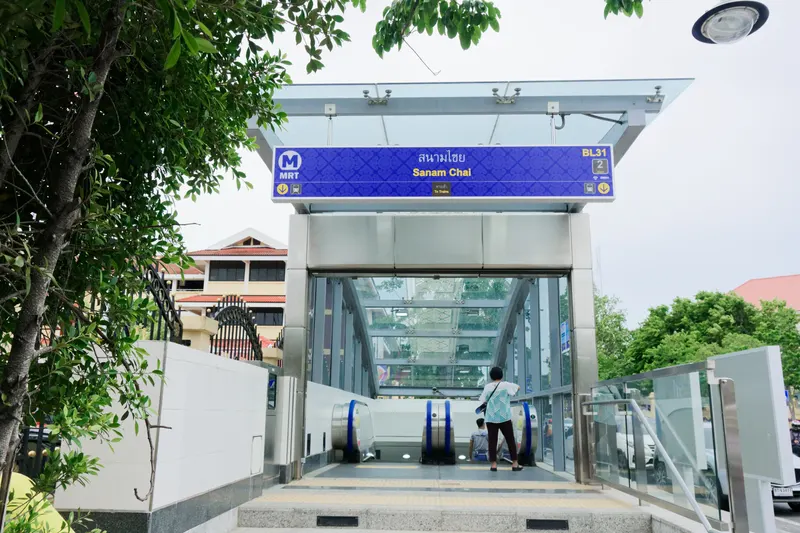
- Nearest rail: MRT Sanam Chai, then a short taxi/walk; or Chao Phraya boats to Tha Chang / Tha Phra Chan
- Plan two to three hours, more with a guided tour
- Commonly closed Mondays and Tuesdays — verify before you go
- Morning visits dodge both the heat and the Grand Palace crush next door

Where these are
Map pins
Map data © OpenStreetMap contributors · Tiles © OpenFreeMap
Sources
- Fine Arts Department · National Museums ↗
Official source for opening days, admission and current exhibitions — verify before visiting.