- Nearest
- No nearby station
- Price
- Budget-to-midrange hotels and hostels
- Best for
- Budget and midrange travelers who value old-town char…
Khao San Road, decoded
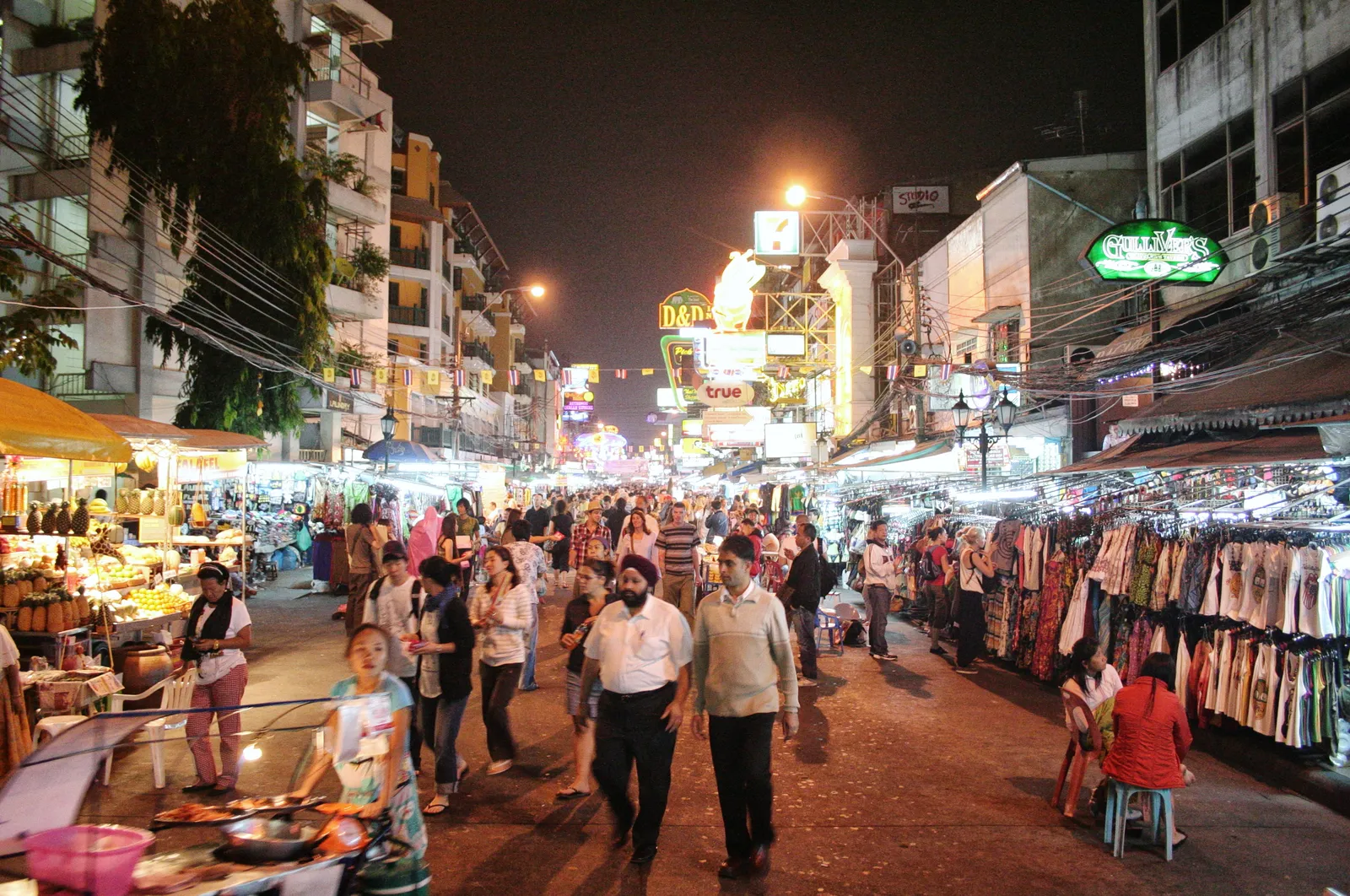
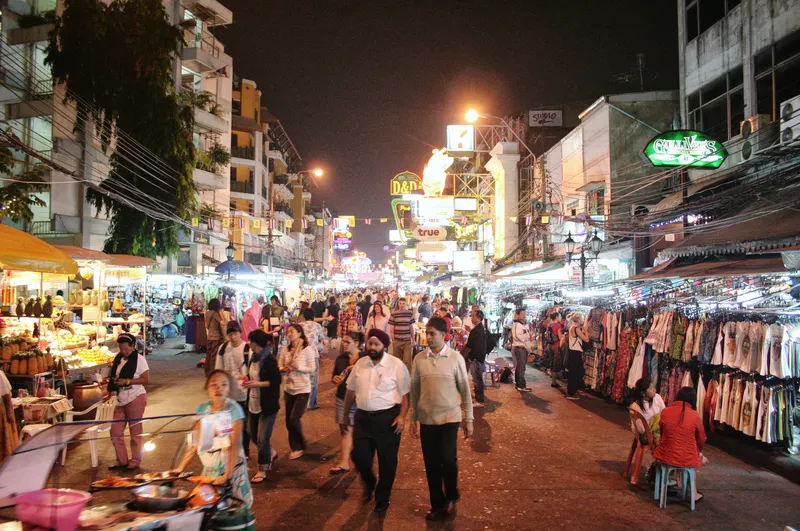
Khao San Road is a single short strip that has launched a million backpacking trips and inspired more than one novel. By day it is a slightly hungover bazaar of fisherman pants, braided hair and travel agencies. By night it transforms into a neon-soaked street party of buckets, beer towers and clattering pad thai woks. It is loud, it is touristy, and it is completely unrepresentative of Bangkok — and that's fine. Treat it as a spectacle rather than a destination.
Come around mid-evening, get a plate of cart pad thai and a cold Chang, watch the parade go by, and don't expect great food or a deal on anything. If the crowds and the touts wear you down — and they will — the trick is that escape is one corner away. Slip north onto Soi Rambuttri and the volume drops by half almost instantly. Keep an eye on your phone and bag in the late-night crush; this is a known pickpocket spot.

- Go at night for the atmosphere; daytime Khao San is mostly shops and shade-seeking
- Street pad thai and grilled skewers are cheap and fun; sit-down 'Thai food' here is overpriced
- Politely decline tuk-tuk drivers pitching cheap tours and 'closed temple' stories — both are setups
- Mind your phone and bag in the late-night crowd
Watch out
Politely ignore tuk-tuk drivers offering 20-baht city tours or 'closed temple' stories — both are setups; mind your phone and bag in the late-night crush
The other Banglamphu: lanes, forts and the river
Step two streets back from Khao San and you find the neighborhood locals actually live in: an old quarter of teak shophouses, brass workshops, family noodle stalls and one of Bangkok's last surviving city-wall forts. This is where Banglamphu earns its place as a real neighborhood rather than a backpacker punchline. Soi Rambuttri loops around Wat Chana Songkhram and is the area's most pleasant lane — strung with lights, lined with low-key bars, massage shops and guesthouse cafés, and shaded by big trees. Walk it slowly with someone you like.
At its western end you spill out toward Phra Athit Road, the riverside street where Bangkok arguably invented the modern café-and-cocktail scene in the 1990s. Down at the river, Phra Sumen Fort marks the old northern corner of Rattanakosin island, and the little Santichaiprakarn Park beside it catches the breeze and faces west — a quietly lovely, free spot to watch the Chao Phraya turn gold at sunset, minutes from the madness.
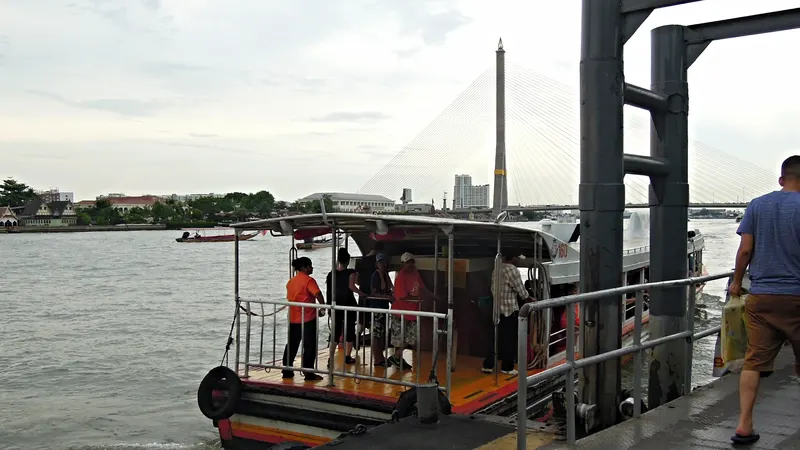
- Soi Rambuttri: the calmer, leafier alternative to Khao San for dinner and a drink
- Phra Athit Road: riverside cafés and old-school bars with a literary, arty feel
- Phra Sumen Fort and Santichaiprakarn Park: breezy, free and great near sunset
- Wat Chana Songkhram: a working temple in the middle of it all — cover shoulders and knees inside
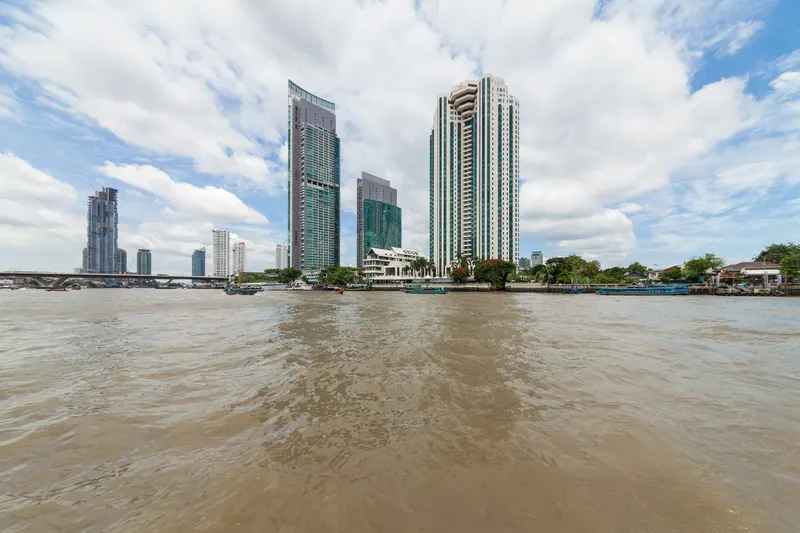
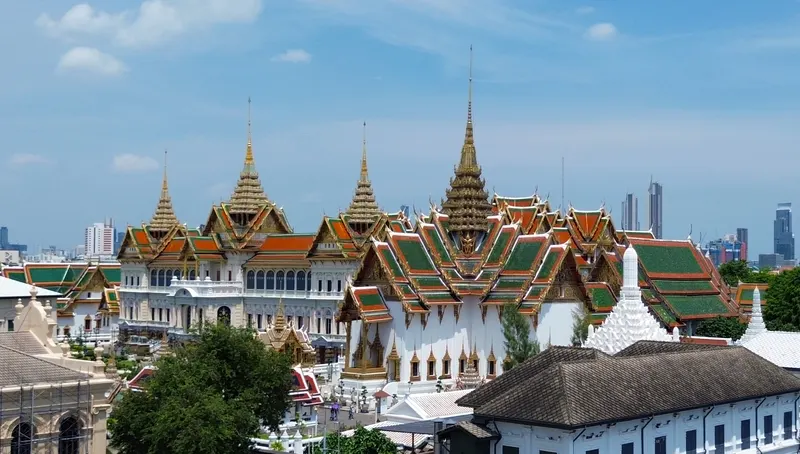
Using Banglamphu as a base for old-town Bangkok
Banglamphu's real strength is location. You are on the northern edge of Rattanakosin, the historic royal island, which means the heavy-hitters are within a flat, walkable 10–20 minutes: the Grand Palace and Wat Pho to the south, the Golden Mount and Wat Suthat to the east, and the Wat Arun ferry crossing not far beyond. For temple-and-history days, you barely need a taxi — and you can reach the temples at dawn before the tour groups arrive, which is reason enough for many travelers to base here.
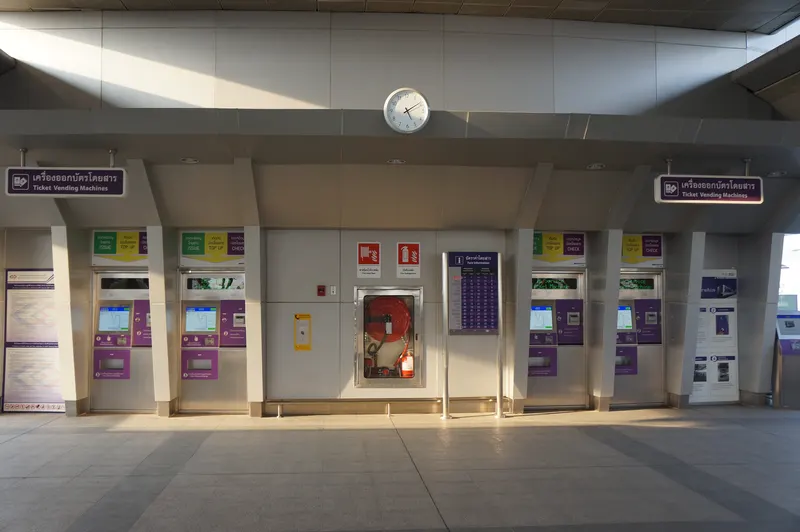
The catch is connectivity. The BTS Skytrain and MRT subway don't reach here, so your fastest links to the rest of the city are the Chao Phraya Express Boat from Phra Athit pier and a Grab car. Plan the river boat into your sightseeing — it is cheap and far more scenic than sitting in traffic. For the Grand Palace, start early: it strictly enforces covered shoulders and knees and gets punishingly hot and crowded by late morning, so hit it first and save the shady lanes of Banglamphu for the afternoon.
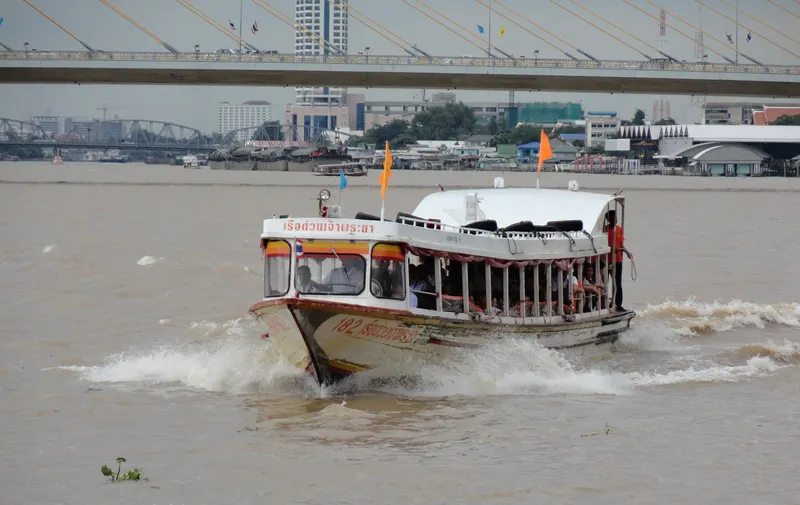
- Walk south to the Grand Palace and Wat Pho; both reward an early, cool-of-the-day visit
- Catch the Chao Phraya Express Boat at Phra Athit pier for Wat Arun, Chinatown and the piers
- Use Grab rather than hailing tuk-tuks for fixed, fair fares out of the old town
- Dress modestly for temples and carry a light scarf to cover up on the fly

Where to eat, drink, sleep — and who should stay here
Eat where the locals do and Banglamphu is genuinely good value. The lanes around Tanao Road and Phra Athit hide old family kitchens turning out boat noodles, khao gaeng (rice with curries) and excellent mango sticky rice — look for stalls with Thai customers and short menus rather than the laminated, photo-heavy spots aimed squarely at backpackers. For drinks, skip the Khao San buckets and aim for Soi Rambuttri's low-lit bars or a riverside table on Phra Athit; the vibe is mellow and arty, not bottle-service flashy, which is perfect before an early temple start.
On where to stay: Banglamphu suits travelers who want character, walkable history and budget-to-midrange prices, and don't mind being off the train lines. The accommodation runs from hostels to boutique heritage stays, much of it geared to younger and budget travelers. If you would rather be plugged into the BTS with malls and rooftop bars at your feet, base yourself in Siam or Sukhumvit and visit Banglamphu on a day out instead — and if your trip is temple-heavy, this is one of the few places where staying off the rail grid genuinely pays off.
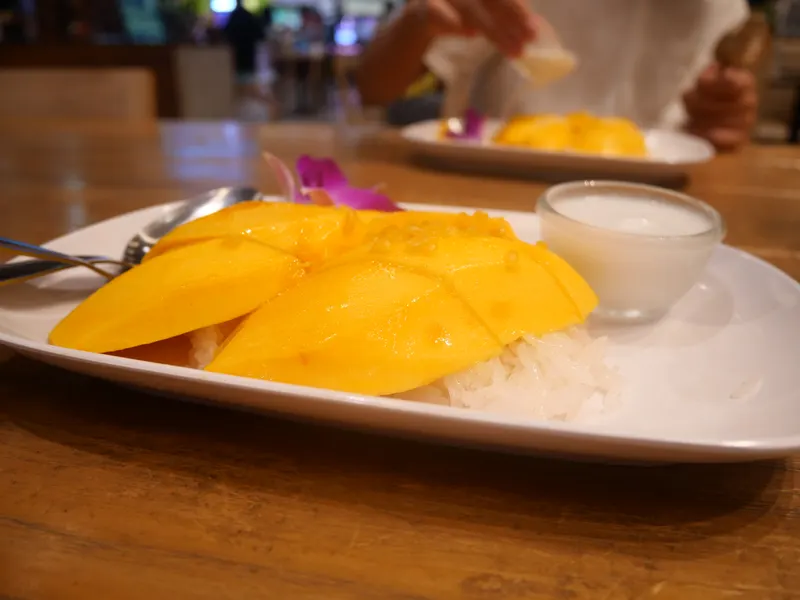
- Best cheap eats: boat noodles, khao gaeng and mango sticky rice around Tanao and Phra Athit
- Best drinks: Soi Rambuttri and riverside Phra Athit, not the Khao San bucket stalls
- Best for: budget and midrange travelers who value old-town character over Skytrain access
- Less ideal for: anyone who wants nightlife districts, big malls or a step-free transit base
Where these are
Map pins
Map data © OpenStreetMap contributors · Tiles © OpenFreeMap