- Time needed
- Plan a full day for most
- Best time
- Cool season (roughly Nov–Feb) for comfortable touring
- Best for
- Travelers short on time
When a guided tour is actually worth it
Bangkok's day trips split cleanly into two groups: the ones you can comfortably do yourself, and the ones where a guided tour genuinely earns its price. The deciding factors are logistics, timing and combining stops. If a destination is a simple, scenic train ride away, an independent trip is usually cheaper, more flexible and more rewarding. But where the route is fiddly, where a dawn arrival makes or breaks the experience, or where you want to stitch two or three hard-to-link stops into one day, a tour removes the friction that would otherwise eat your morning.
A good tour also handles the parts of a Thailand day trip that are easy to underestimate: beating Bangkok's traffic out of the city, the early starts that get you to a market before the buses, the language gap at rural transport hubs, and the lunch and ticket logistics in between. For travelers short on time or nervous about navigating, that is worth real money. For confident, flexible travelers with a spare full day, the same money often buys a better independent trip.
Below we run through the headline destinations one by one, with an honest call on each: do it yourself, or take a tour. Use the day-trips hub to compare them side by side, and the individual guides for the deep detail on each.
- Take a tour when: logistics are fiddly, an early start matters, or you're combining stops.
- Go independent when: it's a simple train ride and you want flexibility and lower cost.
- A tour's real value is timing and traffic, not just transport.
- Small-group or private beats a big coach for pace and an early arrival.
Book ahead
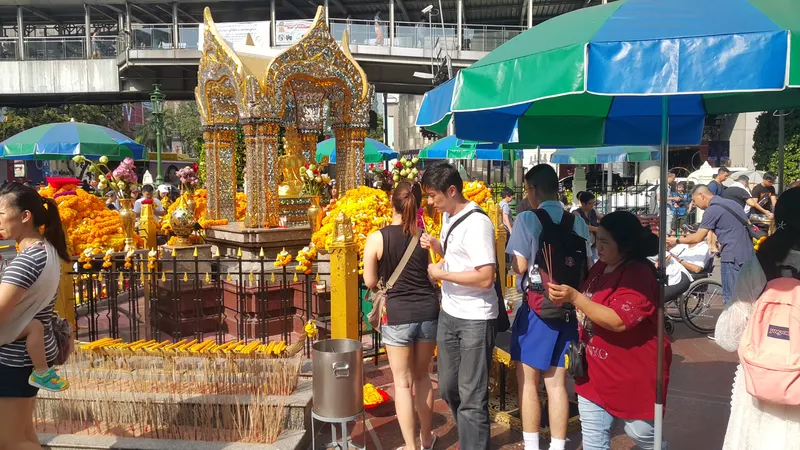
Book popular small-group and private tours ahead in peak season; confirm pickup point, what's included and an early departure before you pay
Ayutthaya: easy alone, optional by tour
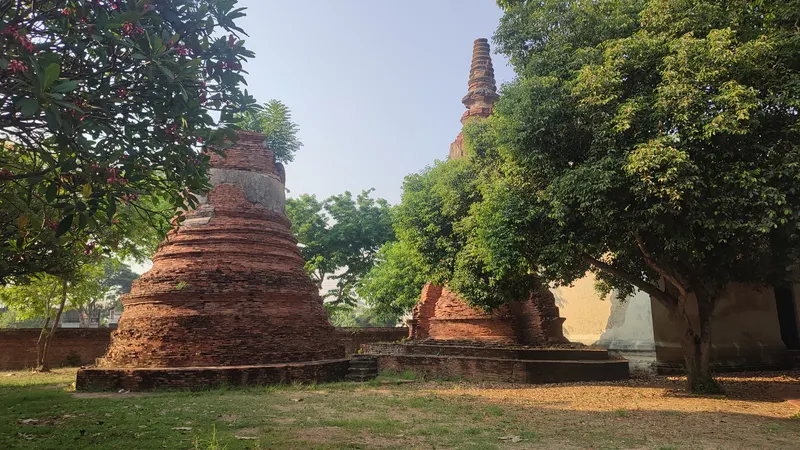
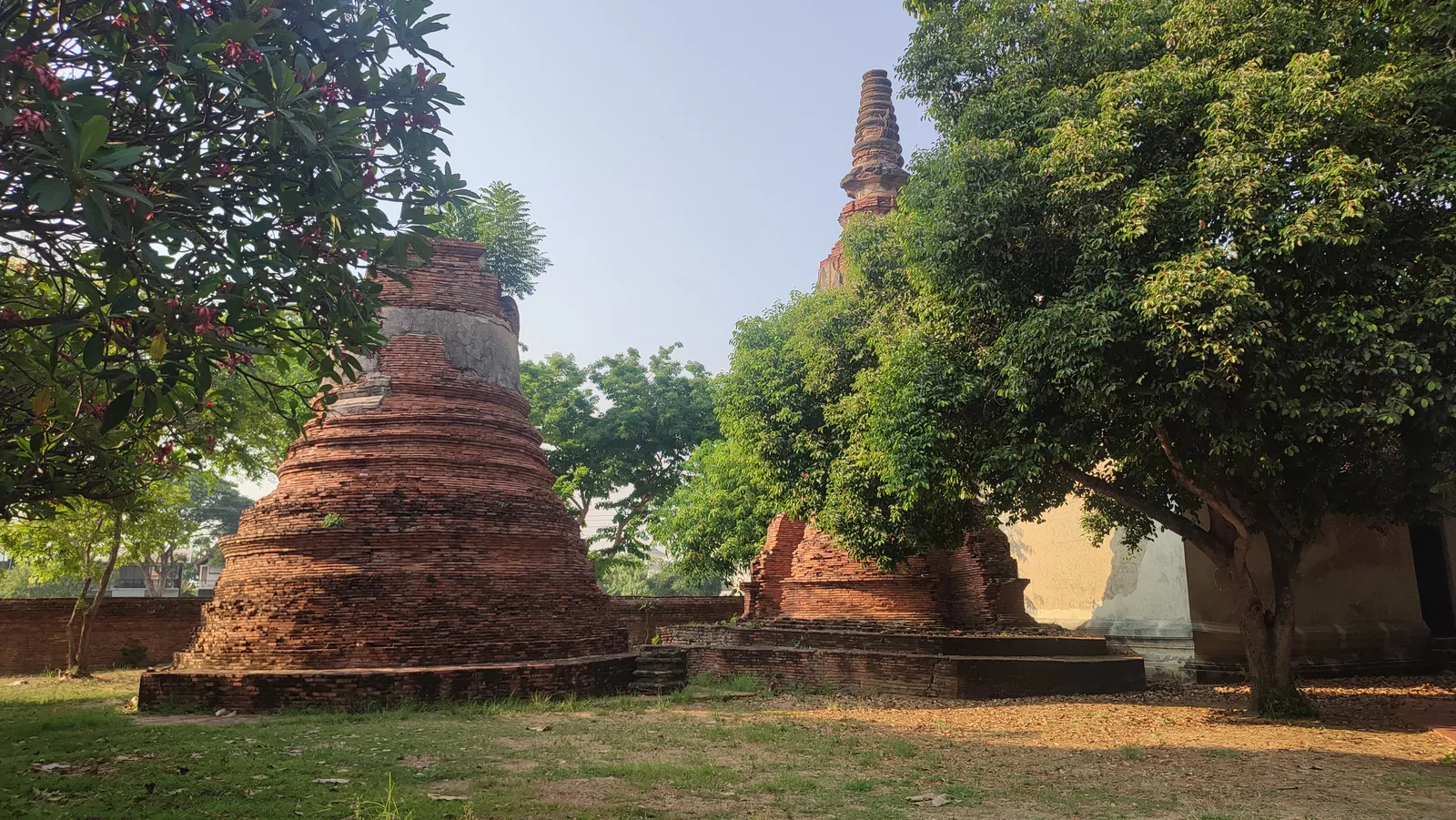
Ayutthaya, the UNESCO-listed former capital an hour and a half north, is the standout cultural day trip and one of the easiest to do independently. A cheap, scenic train runs straight there from Bangkok, and once you arrive you can hire a bicycle or tuk-tuk to loop the brick temple ruins at your own pace in the cooler hours. For most travelers, the train-and-bike version is more rewarding than a coach that herds you between three temples and a lunch buffet.
Where a tour helps with Ayutthaya is convenience and context. A small-group or private day adds a knowledgeable guide who brings the ruins to life, handles the temple sequence so you are not riding between sites in the heat, and often includes a relaxed river cruise back toward Bangkok. If you value the history explained and the logistics removed, take the tour; if you want flexibility and a lower cost, take the train.
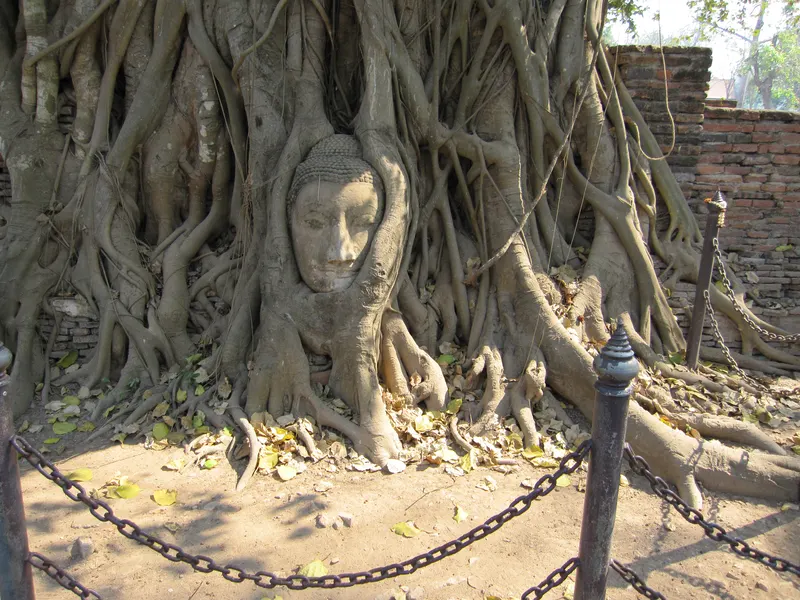
- Verdict: do-it-yourself by train is excellent; a tour adds a guide, pacing and sometimes a river cruise.
- A private or small-group tour beats a big coach for time at the ruins.
- Either way, start early and pace the ruins by bike or tuk-tuk in the cool hours.
Floating markets and the Maeklong railway market
This is the clearest case for a tour. The famous floating and railway markets southwest of Bangkok are awkward to reach independently, run on tight morning schedules, and reward an early arrival that beats both the heat and the tour buses. A well-run small-group tour bundles the Maeklong Railway Market — where vendors fold back their awnings as a train inches through the stalls — with a floating market and a temple stop, and crucially handles the dawn timing that makes the day work.
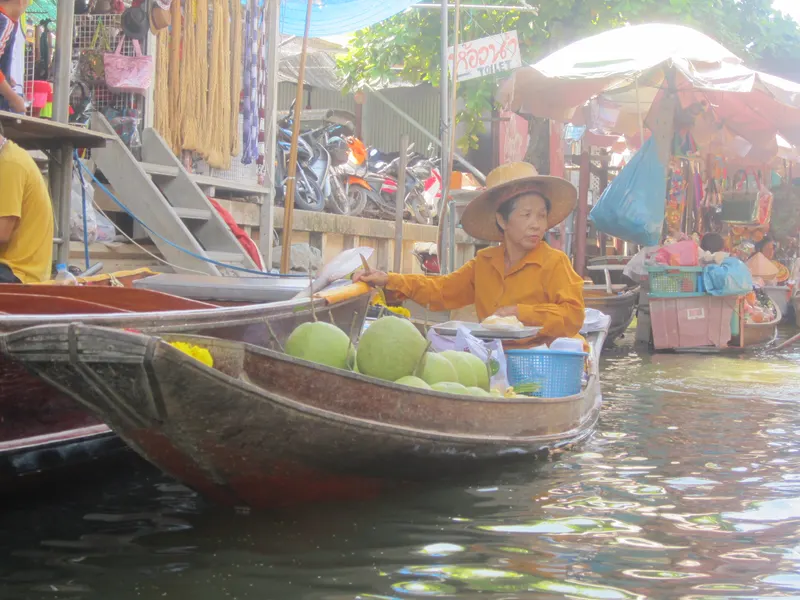
The honest caveat: the cheapest mass-market floating-market tours often arrive mid-morning, exactly when the canals fill with coaches and the experience curdles. Before you book, confirm an early departure and check whether the itinerary visits the touristy Damnoen Saduak or the more atmospheric Amphawa, and at what time. A good operator gets you on the water early; a bad one delivers you into the crowd. If you would rather go independently, the Maeklong railway market and the floating-markets guides lay out the public-transport route — but for most travelers, this is the day where a tour genuinely pays.
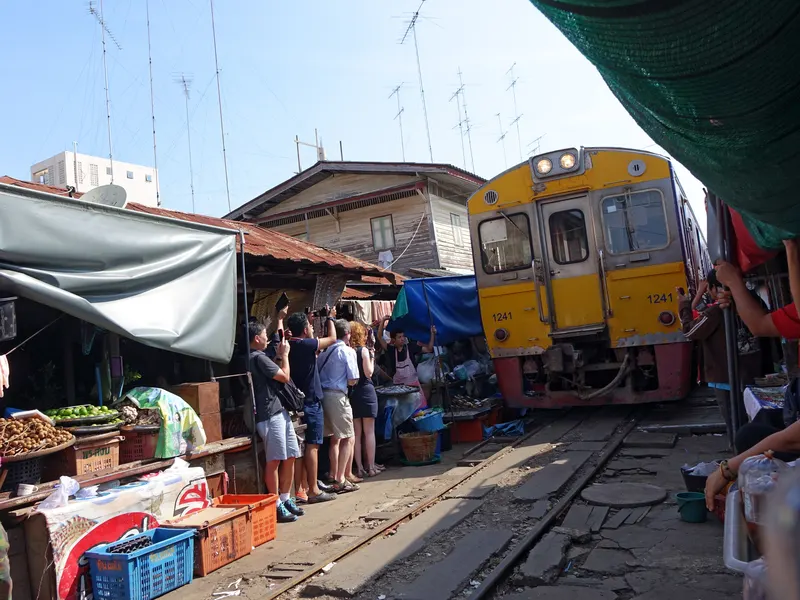
- Verdict: the strongest case for a tour — fiddly logistics and dawn timing matter most here.
- Pair Maeklong with a floating market; confirm which one and at what time.
- Avoid cheap tours that arrive mid-morning into the coach crowds.
- Amphawa (weekend afternoons and evenings) is the more atmospheric floating market.
Kanchanaburi and the long western run
Kanchanaburi — the Bridge over the River Kwai, the Death Railway history, the war cemetery and the scenic train over the Wampo Viaduct — sits about two and a half to three hours west, and the distance is what makes a tour attractive. A guided day handles the long transfer, slots the bridge, museum and a stretch of the Death Railway train into a workable sequence, and includes lunch, all without you juggling buses and timetables in the heat. For a single-day visit, that convenience is the whole point.
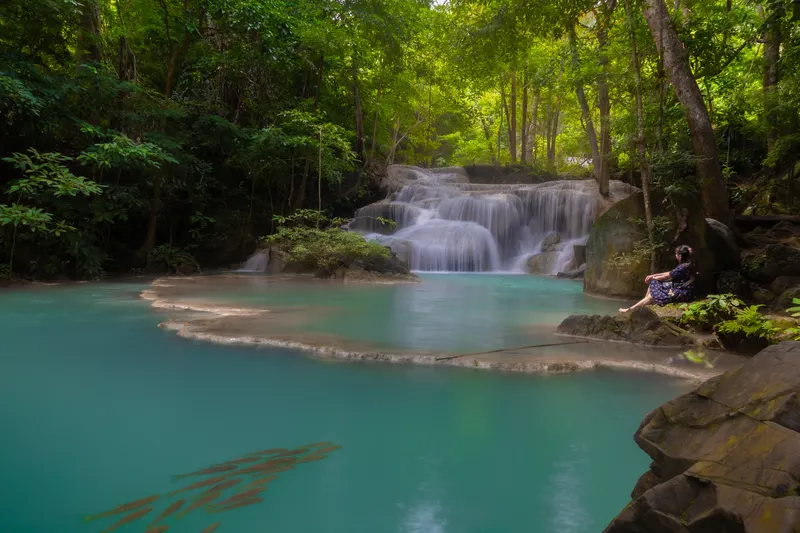
Independent travel is very doable too — a minivan from the Southern Bus Terminal to Kanchanaburi, then the short, cheap scenic train leg from town — and it is cheaper and more flexible if you have the appetite. But Kanchanaburi genuinely rewards an overnight, and the spectacular Erawan Falls realistically need that extra day. If you only have one day and want it stress-free, take a tour; if you can spare a night, go independent and slow it down.
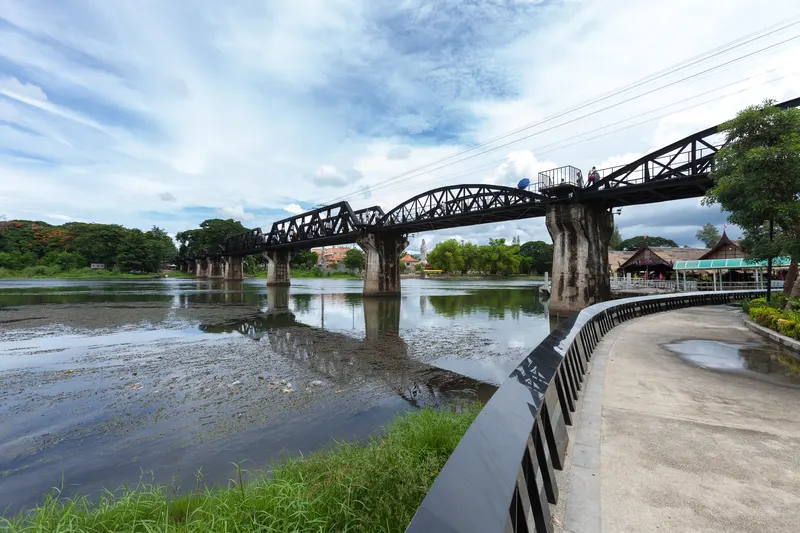
- Verdict: a tour is worth it for a single-day visit; independent is better over an overnight.
- The long transfer west is where a guided day removes the most friction.
- Erawan Falls really need an overnight rather than a same-day add-on.
Ancient City, food routes and Chinatown walks
Two more tour types are worth singling out. The first is the open-air Ancient City (Muang Boran) and the Erawan Museum southeast of Bangkok, a heritage park of scaled and reconstructed monuments best explored by bicycle or buggy. It is reachable by public transport plus a local hop, but a private car or a half-day tour makes the somewhat awkward connection painless and pairs the two sites neatly.
The second is the in-city food and Chinatown walking tour — a fundamentally different kind of tour. Here you are not paying for transport but for access and expertise: a guide who orders the right dishes at the right stalls, explains what you are eating, and threads the lanes of Yaowarat after dark in a way that would take you days to learn alone. For curious eaters, these small-group walks are some of the best-value experiences in Bangkok. Use the in-city tours guide and the food hub for the deep detail; the rule of thumb is that food tours earn their price on knowledge and access, not on logistics.
- Ancient City and the Erawan Museum: a private car or half-day tour smooths the awkward connection.
- Food and Chinatown walks: pay for access and expertise, not transport.
- A good food guide orders the right dishes and explains what you're eating.
- These in-city tours are among Bangkok's best-value guided experiences.
How to choose and book a tour well
Whatever the destination, a few rules separate a great guided day from a wasted one. Favor small-group or private tours over big coaches: they move faster, reach the markets earlier, and give you a fighting chance of seeing a place before the crowds. Always confirm the pickup point and time, what is actually included — entry tickets, lunch, the scenic train leg, a guide who speaks your language — and, above all, the departure time, since an early start is the single biggest predictor of a good day at any market.
Read recent reviews with a skeptical eye, particularly for the floating-market tours where mid-morning arrivals are a common complaint. Check the cancellation terms, carry cash for tips and incidental entry fees, and pack as you would for any outdoor Thai day: water, sun cover and a rain layer in the wet season. Book popular tours ahead in peak season, when the best small-group operators sell out.
Finally, match the choice to your trip. If you have a single precious day and no appetite for logistics, a tour buys you a smooth, stress-free outing. If you have a full free day and some confidence, the independent guides linked throughout will usually get you a cheaper, more flexible version of the same trip. Either way, start early, keep the plan to one or two destinations, and let the day breathe.
- Prefer small-group or private over big coaches for pace and an early arrival.
- Confirm pickup, inclusions and — most importantly — the departure time.
- Read recent reviews; watch for mid-morning floating-market arrivals.
- Book ahead in peak season and carry cash for tips and incidental fees.
Sources
- UNESCO — Historic City of Ayutthaya ↗
Official World Heritage listing for the Ayutthaya historical park.
- State Railway of Thailand ↗
Official timetables for the independent Bangkok–Ayutthaya train option.
- Tourism Authority of Thailand ↗
Official tourism source for the Maeklong railway market and Damnoen Saduak/Amphawa floating markets.