- Best time
- Mornings are the reliably dry window
- Heat
- Highs stay hot and humidity is relentless
- Rain plan
- Keep a flexible indoor anchor for every afternoon
What September actually feels like
September sits deep in Bangkok's rainy, or green, season, which runs roughly June to October. Daytime highs hold in the low thirties Celsius, nights stay warm, and the humidity barely eases, so the city feels hotter than the thermometer reads. For most travelers the heat is the thing to plan around, with the rain a close second — and the two together reward a slow, front-loaded day rather than a packed checklist.
The rain itself is rarely an all-day affair. A typical September day opens bright, builds cloud through late morning, and delivers a heavy downpour somewhere in the afternoon or early evening that clears within an hour or two. It is one of the wettest months on paper, but that water arrives as concentrated, dramatic bursts rather than constant drizzle — which is exactly why the timing strategy below works so well.
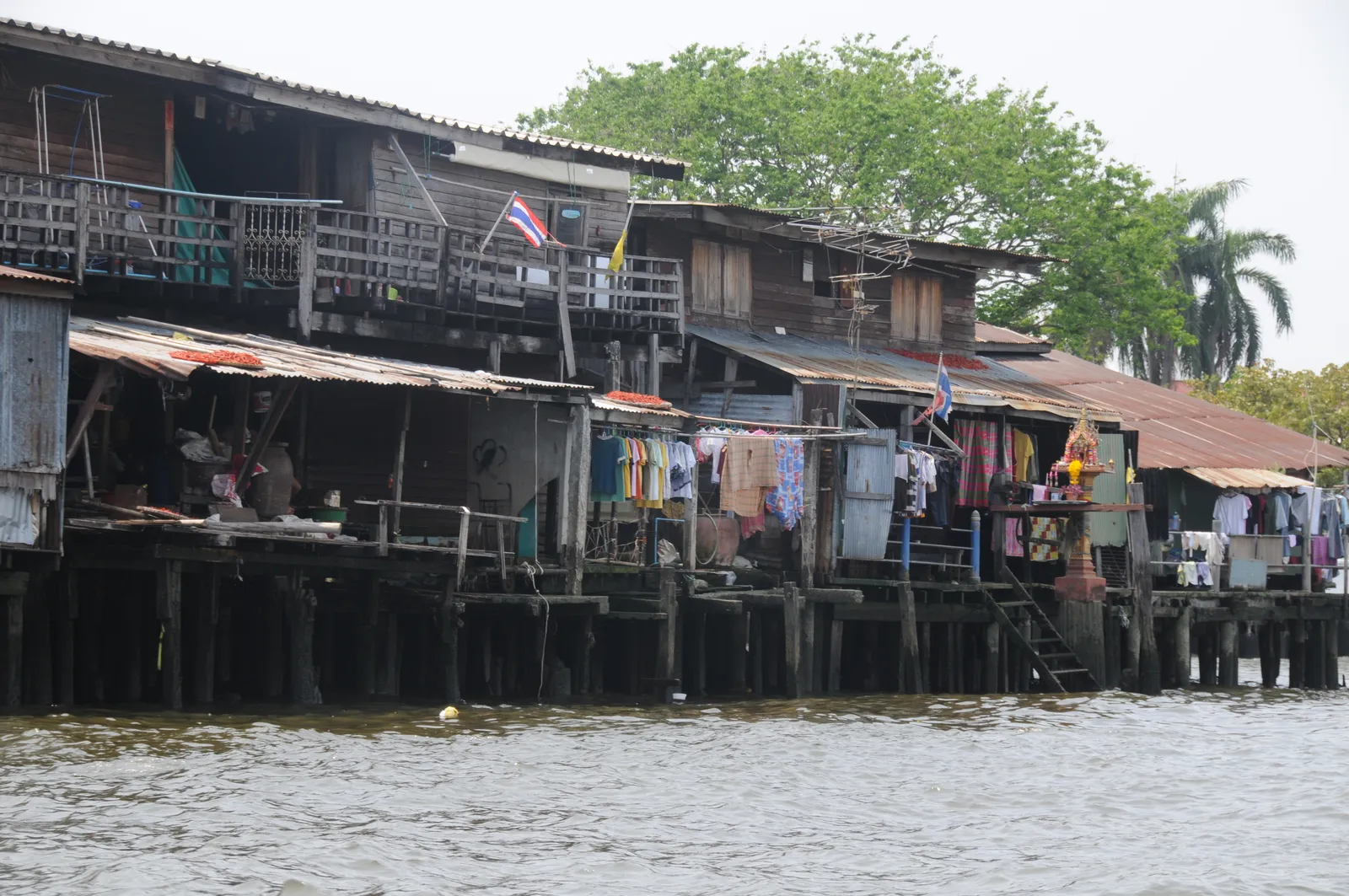
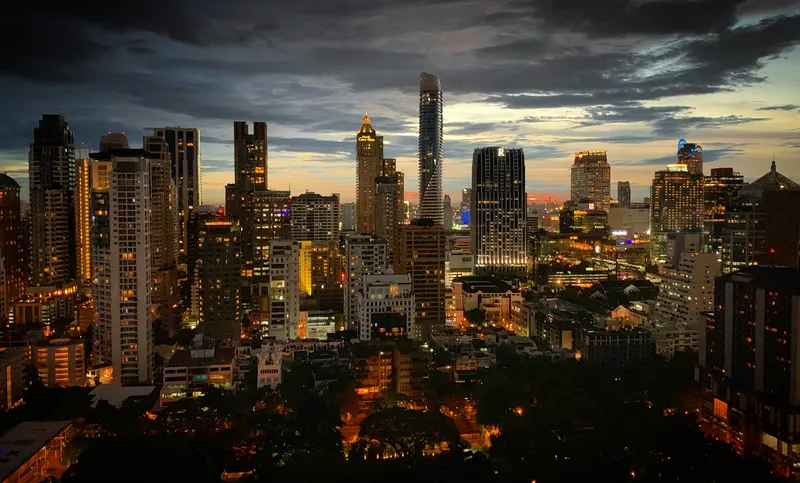
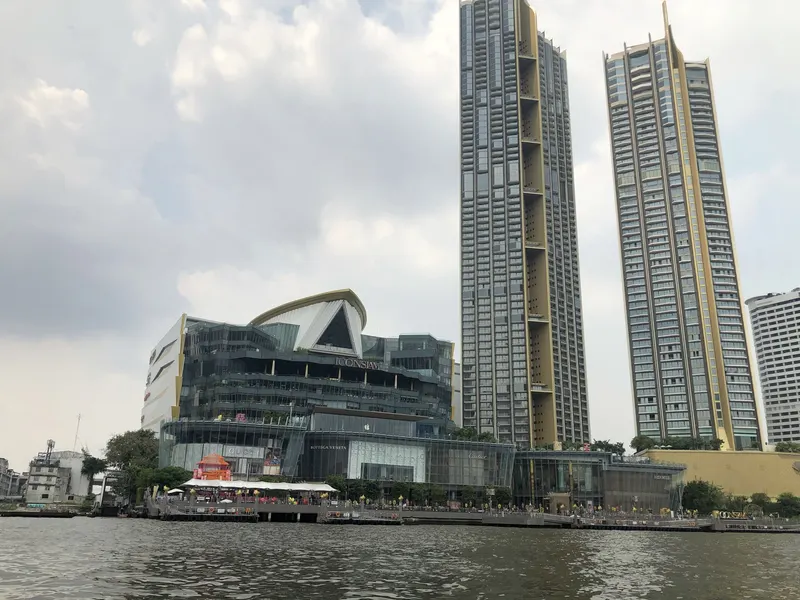
The upside is genuine. Storms scrub the haze out of the sky, the air turns clean and cool after a downpour, and the whole city looks impossibly green. The breaks between clouds can hand you the most dramatic light of the year, which makes a river view or a rooftop a smart way to close the day once the rain has passed.

- Hot and humid all day; the heat is usually harder work than the rain.
- Rain typically arrives as a short, heavy afternoon or early-evening burst.
- Mornings are your most reliable window for temples and walking.
- Low-lying streets can flood briefly after the heaviest storms.
Why September is quietly a great time to go
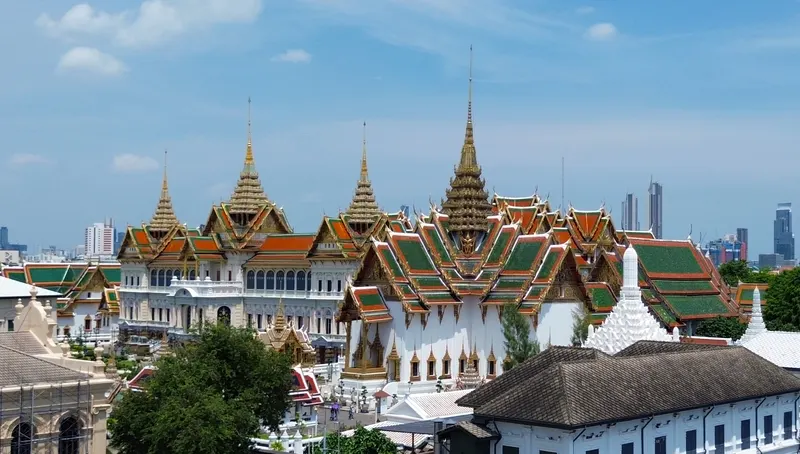
Because it falls between the summer-holiday rush and the cool-season high season, September is one of Bangkok's best-value months. The headline sights feel noticeably less crowded — arrive at opening and you can wander the old city without elbowing through tour groups, and the queues at the Grand Palace, Wat Pho and Wat Arun are short by Bangkok standards.
Hotels and flights tend to be softer on price, so the riverside room, rooftop suite or boutique stay that feels like a stretch in December often becomes reasonable now. Good restaurants and spas are easy to book a day or two ahead rather than a week out, which makes for an unusually relaxed, spontaneous trip. If you are traveling as a couple or simply want to decide over breakfast where the day goes, that breathing room is the whole appeal.
The catch, and it is a real one, is flexibility. Travelers who enjoy September most are the ones who hold their plans loosely, lean into long lunches and rooftops, and treat the afternoon storm as a built-in excuse to slow down rather than a day-ruiner.
- Lower hotel and flight prices than the November–February peak.
- Shorter queues at the Grand Palace, Wat Pho and Wat Arun.
- Easy same-week bookings for rooftops, dinner cruises and spas.
- A low-pressure mood that rewards a flexible, weather-led itinerary.


How to plan a day around the rain
The trick in September is to front-load everything outdoors. Start early — temples like Wat Pho and Wat Arun are coolest, quietest and least likely to be rained on before mid-morning. Cover shoulders and knees, carry a thin scarf, slip off your shoes where required, and treat an eight or nine o'clock start as doing double duty against both heat and rain.
Treat the early-to-mid afternoon as your indoor block. That is when a long lunch, an air-conditioned museum, a café or a food court earns its place: you stay comfortable and well fed while the storm passes overhead. Bangkok is unusually good at this — there is almost always shelter, food and something worth seeing within a few hundred meters, so a downpour rarely costs you more than a change of plan.
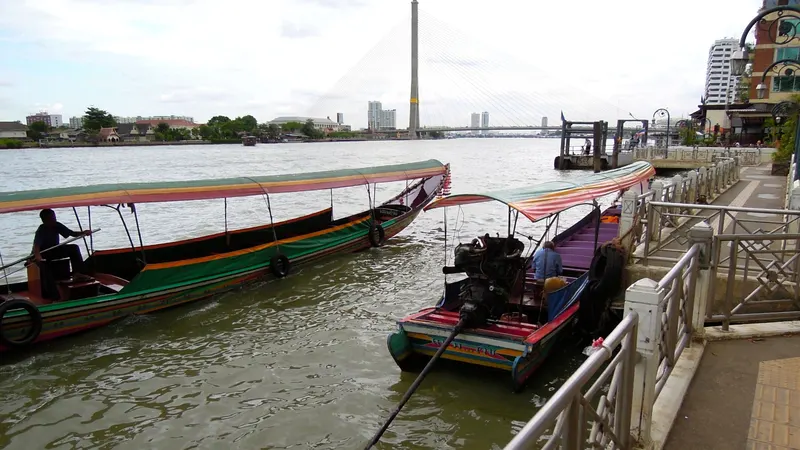
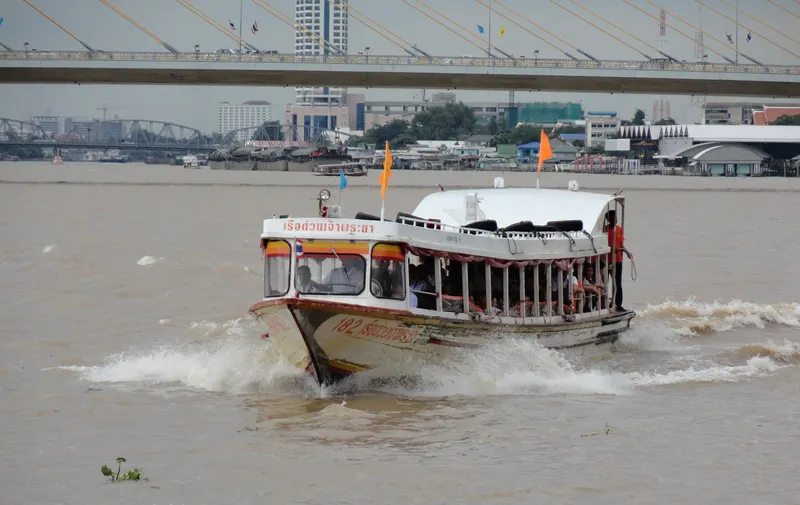
Save the river and the rooftops for the evening, when the air has cooled and the light after a clearing storm is at its best. Keep a folding umbrella in your bag at all times, and watch a live rain-radar app rather than the calendar — storms are localized, so it can be pouring on one side of the Chao Phraya and dry on the other.
- Temples and outdoor markets: early morning, before the heat and rain.
- Lunch, cafés, museums, malls and food courts: the afternoon storm window.
- River cruise, sunset and rooftop drinks: evening, after the air cools.
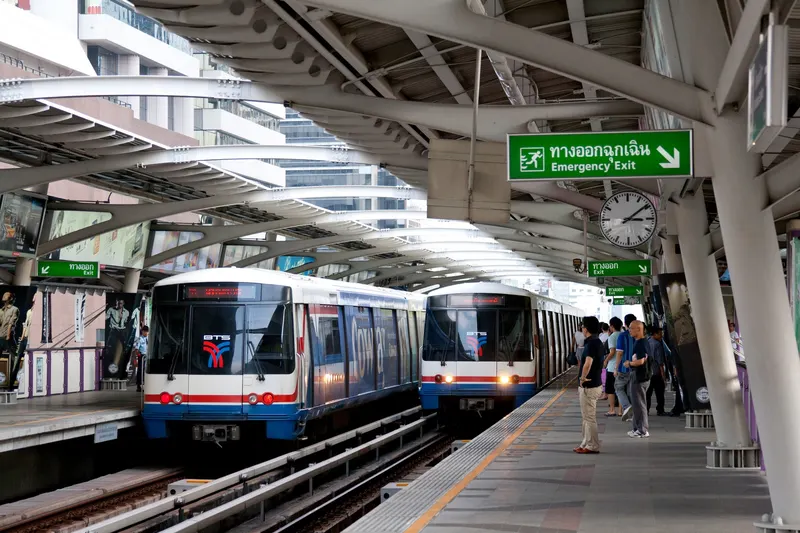
- Use the BTS and MRT in heavy rain; taxis crawl when streets flood.
Rainy day in BangkokA full menu of museums, malls, food halls, spas and cafés for the storm window.
 Public transport
Why the elevated BTS and underground MRT beat taxis in rain and flooding.
 Best museums
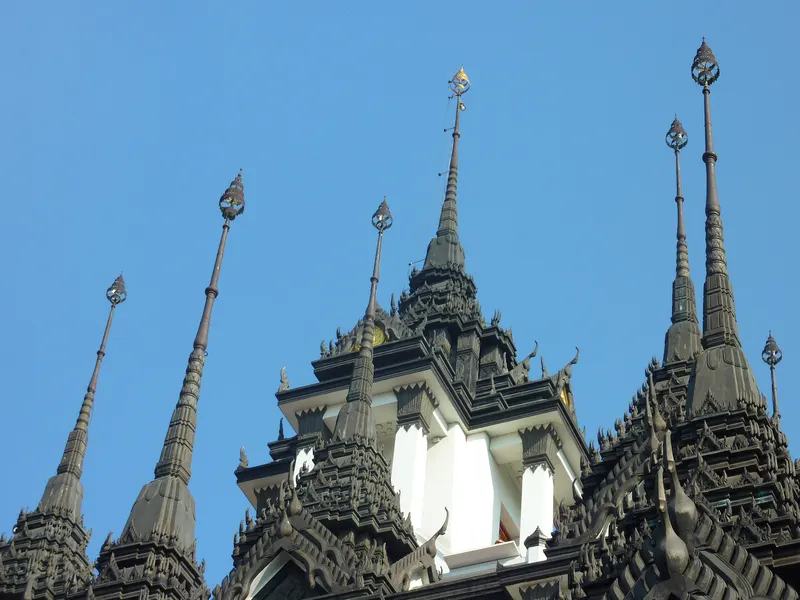
Air-conditioned, rain-proof culture for the afternoon downpour.
Rainy-season routeA ready-made wet-season day plan with built-in indoor anchors.
Food courts and indoor eating
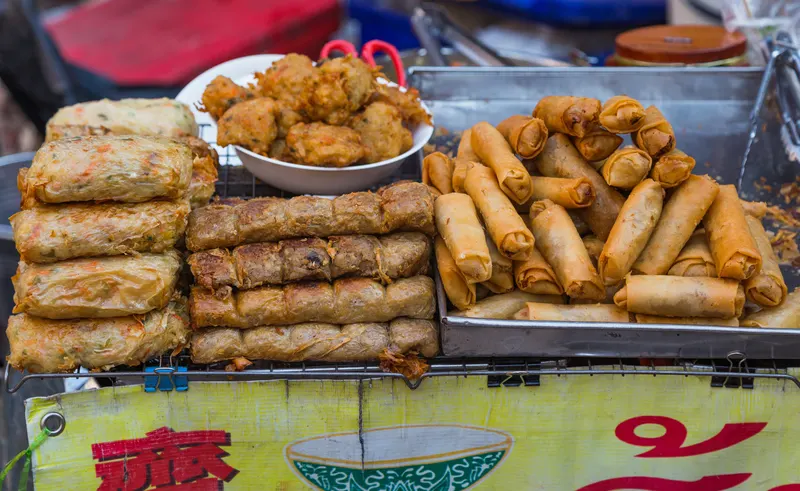
September is when Bangkok's food courts come into their own. The mall food halls — air-conditioned, rain-proof, cheap and fast — turn the afternoon storm into an easy, comfortable meal rather than a logistical problem. You can graze through regional Thai dishes, noodles and sweets without ever stepping back into the wet, and they sit right on top of the BTS and MRT stations, so you barely touch the street.
This is also the month to lean on covered, sit-down restaurants for your main meal. An air-conditioned dining room mid-afternoon is a relief from the humidity, and a roof over your head means a sudden cloudburst does not strand you mid-meal. Save the open-air street-food crawl for the dry evening hours once the storm has rolled through.
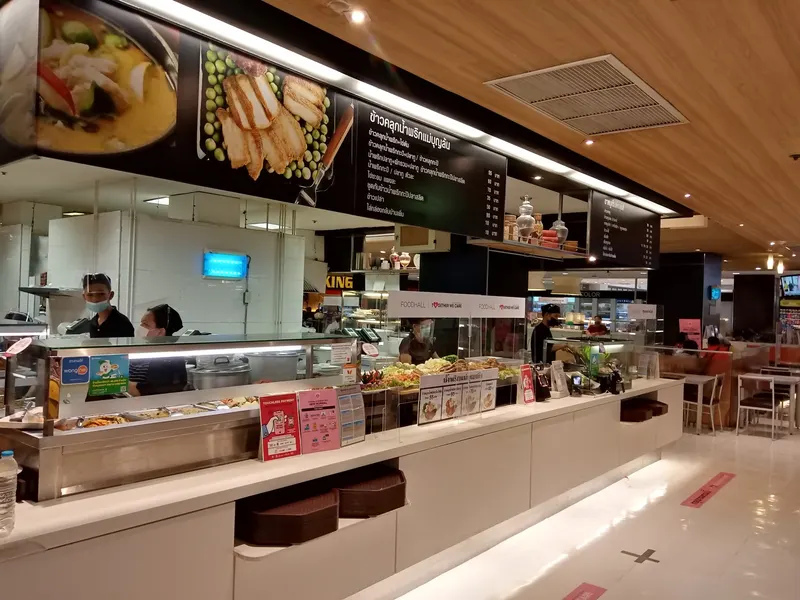
- Mall food courts are cheap, fast and right on the BTS/MRT — ideal storm cover.
- Pick covered restaurants for the main meal so rain never strands you.
- Keep open-air street-food crawls for the dry evening window.
- Give street stalls a quick freshness check after heavy rain.
Day trips and what to pack
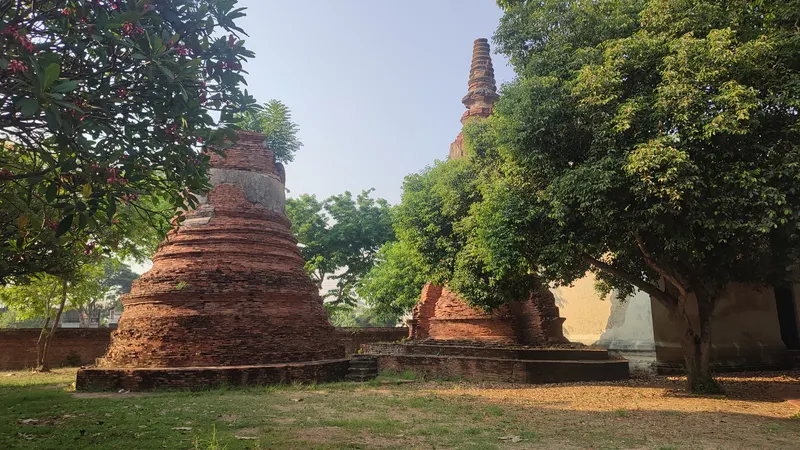
Day trips still work this month — you just plan with an umbrella in mind. Ayutthaya's riverside ruins and the floating-market scene are fine in the morning, when the air is freshest, and a passing shower over old temples can be quietly beautiful rather than a washout. The rule is to leave early and aim to be back in the city before the late-afternoon storms, and to keep the schedule loose. The reward for traveling in the green season is countryside at its most vivid — rice fields, canals and jungle all lush and saturated.
For packing, think light, breathable and quick-dry, plus at least one outfit you do not mind getting damp. Sandals or shoes that handle a wet street beat anything that stains or stays soggy, and a small dry bag or zip-lock for your phone goes a long way. Indoor spaces crank the air conditioning hard, so a thin layer to throw on is genuinely useful even in the heat — and it doubles as a temple cover-up. Sunscreen still matters between storms, and mosquito repellent is worth having for evenings near canals, parks and the river.
- Start day trips early and plan to be back before the afternoon rain.
- Compact umbrella, quick-dry clothes, water-friendly sandals and a dry bag.
- A thin layer for fierce indoor air conditioning that doubles as a temple cover-up.
- Sunscreen and mosquito repellent for the between-storm and evening hours.
Where these are
Map pins
Map data © OpenStreetMap contributors · Tiles © OpenFreeMap
Sources
- Thai Meteorological Department ↗
Official Thai weather forecasts and seasonal rainfall outlooks.
- Tourism Authority of Thailand — weather & seasons ↗
TAT places September in the rainy/green season (roughly June–October), confirming the wet-season framing (2026).