- Best time
- A daytime layover is far more useful than a red-eye o…
- Getting there
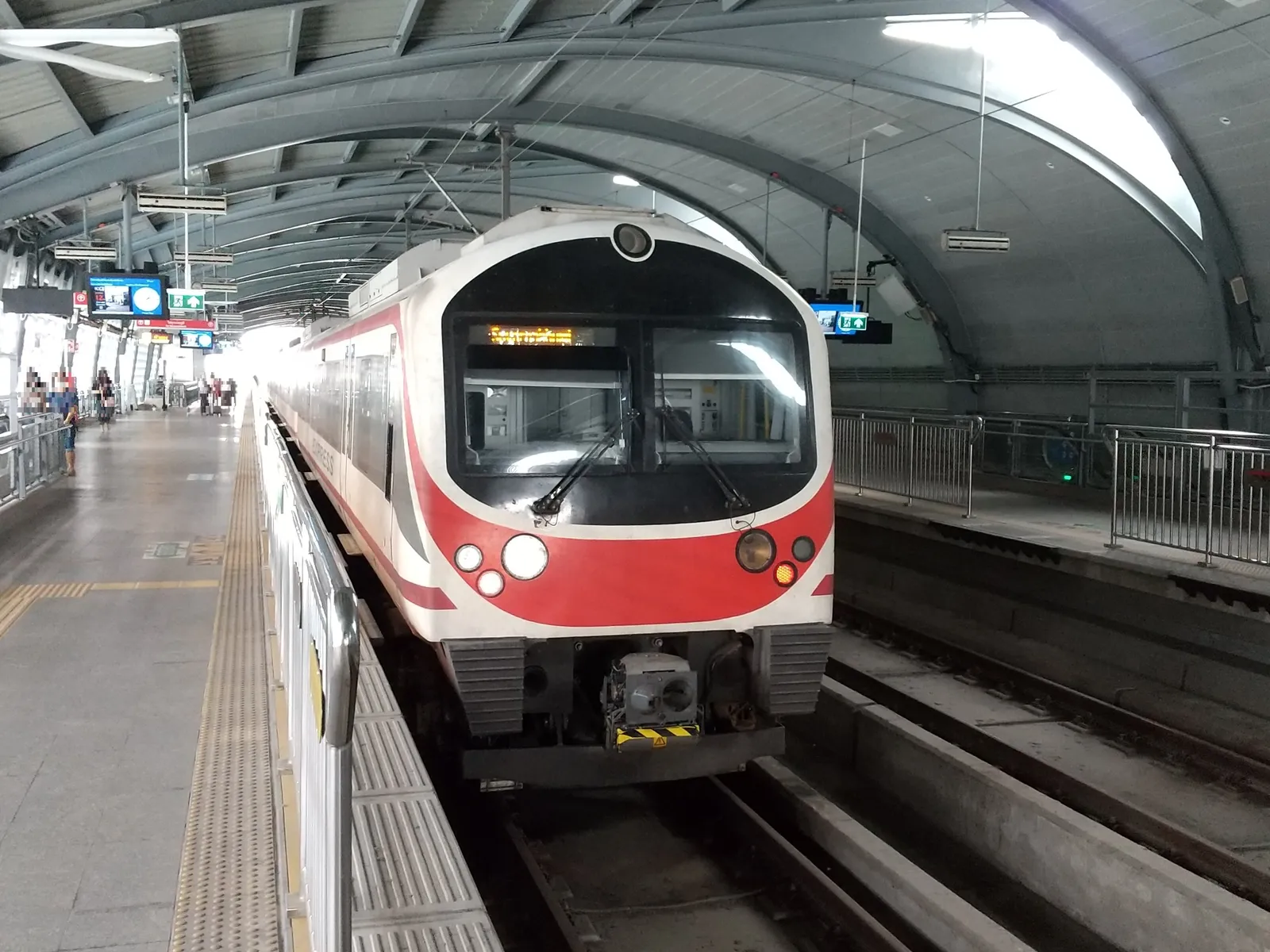
- From Suvarnabhumi (BKK) the Airport Rail Link (runnin…
- Price
- Leaving the airport is cheap by train and modest by t…
Before you leave the terminal: the rules that decide everything
A Bangkok layover can be a delightful bonus or a costly mistake, and the difference is almost entirely about the rules you check before you step out. Start with two non-negotiable questions. First, are your bags through-checked to your final destination, or will you have to claim and re-check them? Dragging luggage into the city is rarely worth it, and luggage storage at the airport adds time and cost. Second, does your passport allow you to clear immigration and re-enter for the day? Transit and tourist entry rules vary by nationality, airline and routing, so this is not something to guess.
If either answer is no, or you are unsure, the right move is to stay airside and enjoy the airport itself — both Bangkok airports have extensive dining, shopping and lounges. There is no shame in a comfortable transit; missing a connection to chase a temple is a genuinely bad trade.
If both answers are yes, the next step is honest arithmetic. Take your scheduled departure, then subtract everything that stands between you and the gate: a generous traffic buffer back to the airport, international check-in and bag drop, security, immigration and the walk to a far gate. Whatever is left is your real free time — and it is always less than the raw gap between flights suggests.
- Confirm bags are through-checked before deciding to leave — otherwise the trip rarely pays off.
- Confirm your nationality and ticket allow you to exit and re-enter Thailand for the day.
- When in doubt, stay airside; both airports have good dining, shopping and lounges.
- Work backward from departure and subtract check-in, security, immigration and a traffic buffer.


Book ahead
Check whether your bags are through-checked and whether you need a transit versus a tourist entry; if in doubt, do not leave the airport
Know your airport: Suvarnabhumi (BKK) vs Don Mueang (DMK)
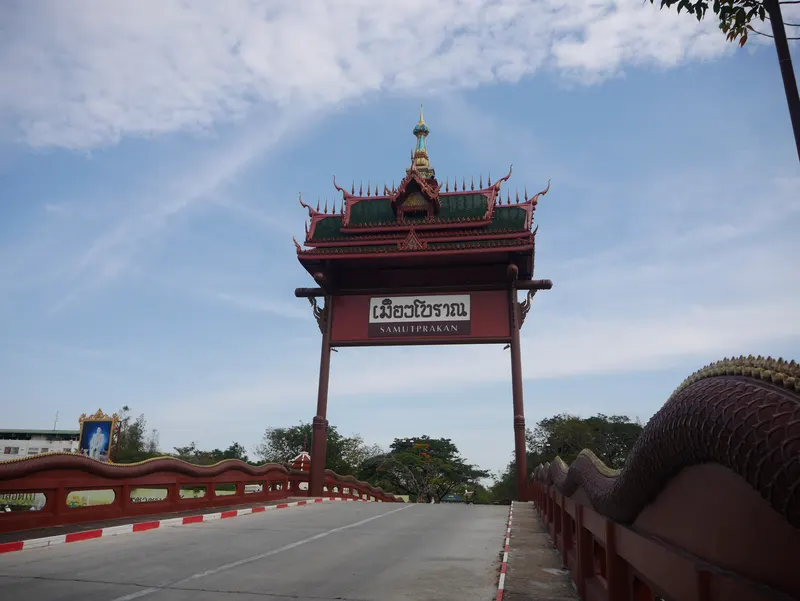
Bangkok has two airports, and which one you are in changes the whole plan. Suvarnabhumi (code BKK) sits to the southeast of the city and handles most full-service international flights. Don Mueang (code DMK) is the older airport to the north and is the hub for low-cost carriers. They are about an hour apart by road, so if your two flights use different airports your layover is really an airport-transfer problem, not a sightseeing one — and usually far too tight to leave the system.
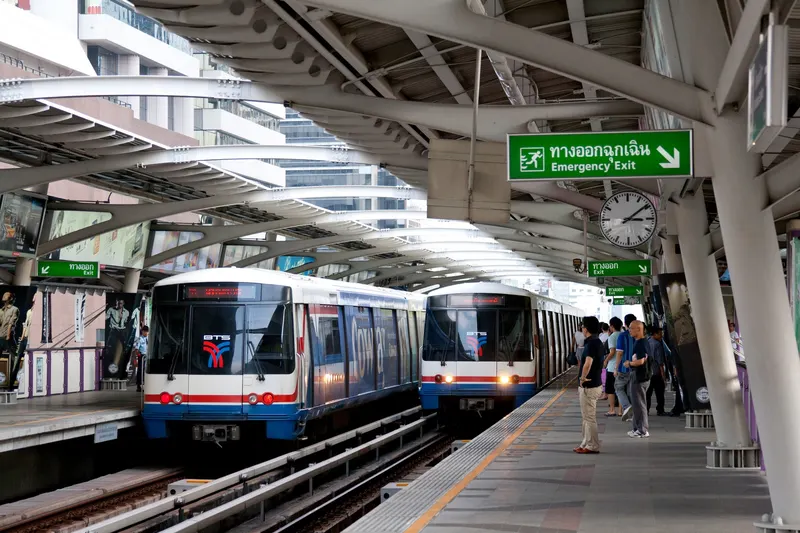
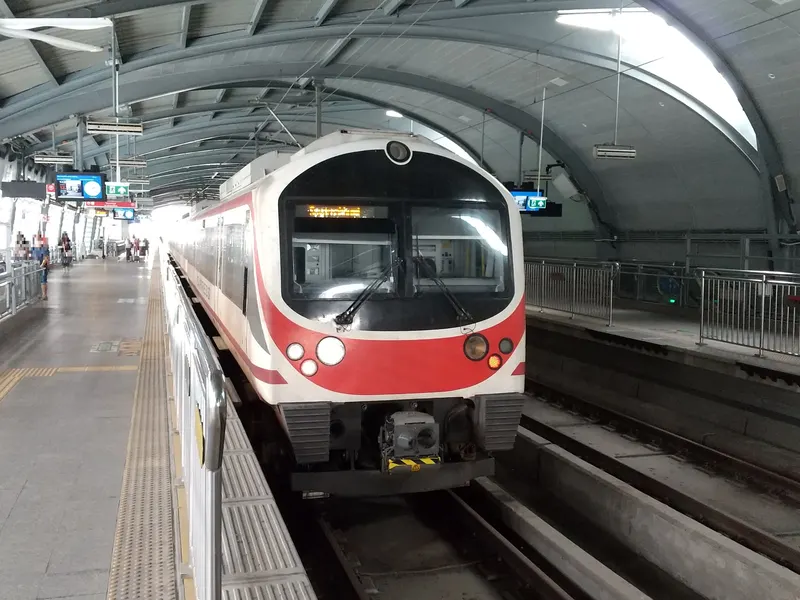
From Suvarnabhumi, the Airport Rail Link is the layover traveler's best friend: it sits on the level below arrivals, runs on an elevated line that sails over the traffic, and reaches Phaya Thai — where it connects to the BTS Skytrain — in roughly half an hour. Makkasan station connects to the MRT. That predictability is exactly what a clock-watching layover needs, because road traffic into the center is wildly variable. A metered taxi or a Grab is the comfortable alternative, especially with a tired travel companion, but you trade predictability for door-to-door ease.
Don Mueang is harder for layovers because it has no airport train. Your options are a metered taxi, a Grab, or the A1 airport bus to BTS Mo Chit, where you pick up the Skytrain. The northern approach roads clog badly, so a DMK layover needs a bigger buffer and a more modest plan — often a nearby mall or a stay close to the airport rather than a city-center run.
- Suvarnabhumi (BKK): southeast, full-service flights, Airport Rail Link to a BTS interchange.
- Don Mueang (DMK): north, budget carriers, no airport train — taxi, Grab or A1 bus only.
- The two airports are about an hour apart, so different-airport connections are rarely worth leaving for.
- Rail predictability beats road speed for a layover; traffic is the variable you cannot control.
A layover plan by time window
Match your ambition to your real free time, not the gap between flights. With under roughly six hours door-to-door, do not go into the city: the round trip plus buffers leaves almost no time on the ground, and a single traffic snarl can cost you the connection. Instead, clear immigration only if you want to, and otherwise stay airside — eat well, shower in a lounge, and rest. If you are landside with a few hours at BKK, a quick hop on the Airport Rail Link to a nearby mall is about the most you should attempt.
With roughly six to ten hours, a city-center taste becomes realistic from Suvarnabhumi. Take the Airport Rail Link to a BTS interchange and pick one compact, air-conditioned, transit-connected goal — ICONSIAM and a riverside lunch, the Siam shopping district, or a single easy sight — rather than a temple marathon across town. Build in a fixed turnaround time and treat it as immovable; the discipline of leaving the city earlier than feels necessary is what keeps a layover fun instead of frightening.
With ten hours or more, you can see a genuine slice of Bangkok or, for a long overnight, book a hotel near the airport and sleep flat. Even then, keep it focused: one neighborhood, a meal, maybe a temple if it is early and cool, and a hard return buffer. The whole art of a layover is leaving margin for the things you cannot control — traffic, queues and the city's heat.
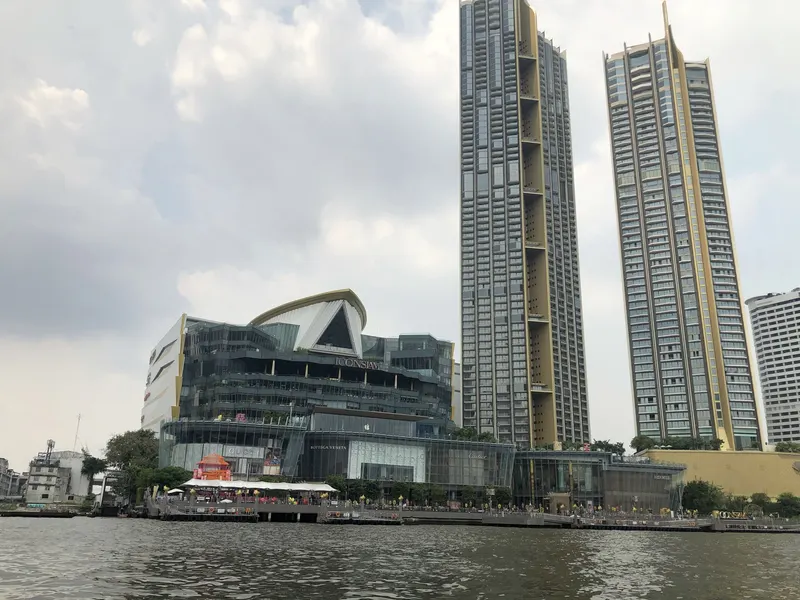
- Under ~6 hours: stay near the airport; at most a quick BKK rail hop to a mall.
- ~6–10 hours: one compact, air-conditioned, transit-connected goal from BKK by rail.
- 10+ hours or overnight: a focused neighborhood visit, or an airport-area hotel to sleep flat.
- Always set a fixed, immovable turnaround time and pad it for traffic and queues.

Heat, traffic and the all-important return buffer
Two forces shrink a Bangkok layover: heat and traffic. The heat argues for air-conditioned, low-effort stops — malls, a riverside lunch, a museum — over a sweaty dash to a far-flung temple that eats your whole window. The traffic argues for rail wherever possible, because the Airport Rail Link and the BTS keep their times while roads do not. Rush hours, roughly the morning and late-afternoon peaks, turn road trips into crawls, and rainy-season downpours from around mid-year make it worse — both are exactly when you should be on a train, not in a taxi.
The return buffer is the single most important number in this whole plan. International flights want you checked in and through security well before departure, immigration queues are unpredictable, and the ride back can balloon without warning. Pad ruthlessly: assume the trip back takes longer than the trip in, and start heading to the airport while you still feel like you have time to spare. A layover you cut short by an hour is a story; a layover that makes you miss a flight is a disaster.
Finally, sort out the small frictions before you leave the terminal: have some baht for tolls and a taxi, set up Grab with a payment method, pin your destinations accurately, and keep your boarding documents and passport secure and dry. With the rules checked, the buffer padded and the plan kept modest, a Bangkok layover can be one of the easiest stolen afternoons in travel.
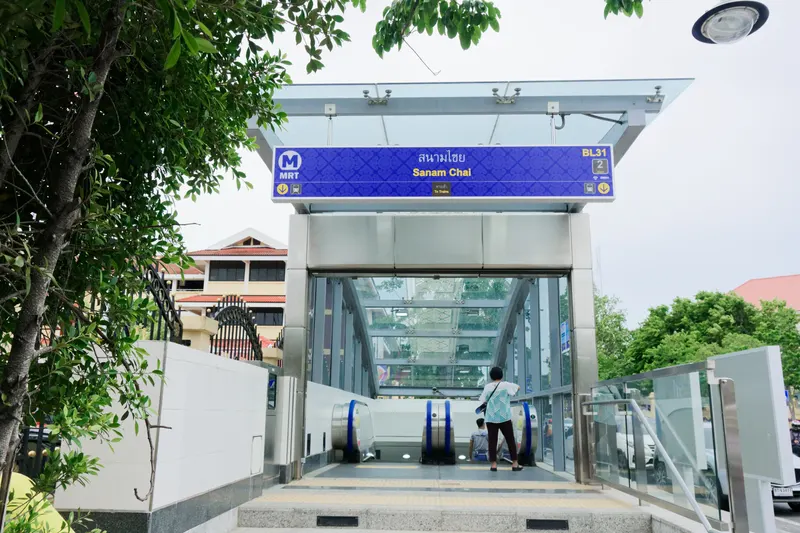
- Favor rail and air-conditioned stops; the heat and traffic both punish over-ambition.
- Avoid road trips at rush hour and in rainy-season downpours — ride the train instead.
- Pad the return buffer ruthlessly; assume the trip back is slower than the trip in.
- Set up Grab, carry small baht and keep passport and boarding pass secure and dry.
Bangkok layover FAQ
Quick answers to the questions that decide whether you leave the airport at all.
- Is it worth leaving the airport on a layover? Only if your bags are through-checked, your passport allows re-entry, and you have roughly six hours or more door-to-door from Suvarnabhumi. Otherwise, stay airside.
- How long does it take to get from Suvarnabhumi to the city? The Airport Rail Link reaches a BTS interchange in roughly half an hour and dodges the traffic; a taxi or Grab is comfortable but far less predictable in peak hours.
- Can I leave the airport at Don Mueang? You can, but there is no airport train — it is taxi, Grab or the A1 bus to BTS Mo Chit — so give a DMK layover a much larger buffer and a more modest plan.
- Do I need a visa to leave the airport on a layover? It depends on your nationality and ticket; transit and tourist-entry rules differ. Confirm with your airline and Thai immigration before you count on exiting.
- What should I do with my luggage? Leave it through-checked if you can; otherwise use airport luggage storage rather than dragging bags into the city heat and onto trains.
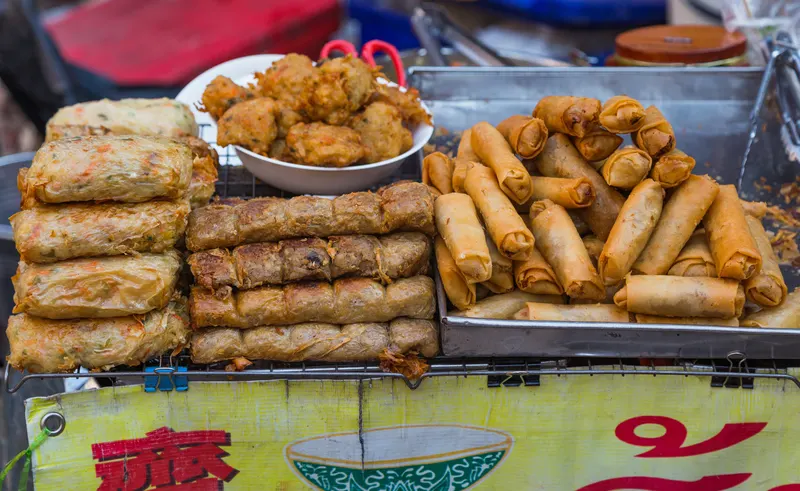
- What can I realistically see in a layover? One compact, air-conditioned, transit-connected stop — a riverside mall, the Siam district, or a single easy sight — not a temple marathon across town.
ICONSIAM
A riverside mega-mall with an indoor floating market, food hall, and free fountain shows — a cool, rainy-day-friendly stop.
Map pins
Map data © OpenStreetMap contributors · Tiles © OpenFreeMap
Sources
- Suvarnabhumi Airport (official) ↗
Confirm Airport Rail Link access, terminal layout and current services.
- Suvarnabhumi transport guide (official) ↗
Airport Rail Link is at terminal level B1, operating roughly 05:30–24:00, plus taxi and bus options.
- Don Mueang Airport (official) ↗
DMK has no dedicated airport express train — plan for the A1 bus to BTS Mo Chit, taxi or Grab.