- Time needed
- Half a day per cluster
- Best time
- Cool season for clear skylines
- Getting there
- Chao Phraya boats for the temples and river
- Price
- Free in the streets and markets
Temples and the river: golden-hour Bangkok
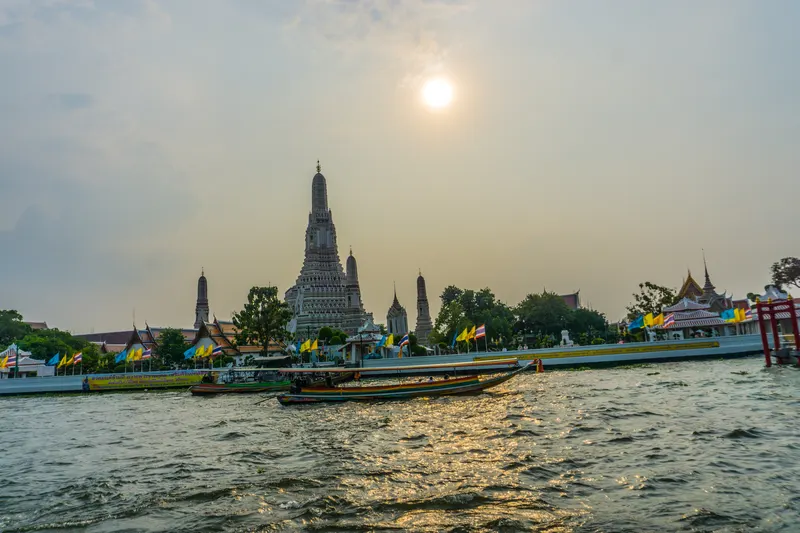
The river and the old royal quarter are where Bangkok looks most like its postcards, and the light does the heavy lifting. Wat Arun, the Temple of Dawn, is the signature shot: its porcelain-studded central prang catches warm late-afternoon light from the Thonburi bank, and at dusk it reflects across the Chao Phraya as the floodlights come up. Cross by the cheap ferry from Tha Tien and shoot from the river's edge, or board an express boat and let the skyline of old wats and new towers drift past for the price of a ferry ticket.
On the Rattanakosin side, the Grand Palace and Wat Pho reward early arrivals — go at opening for soft light and uncluttered frames before the tour groups build, and dress modestly because these are working religious sites. A practical caution applies around the headline temples: ignore any stranger who tells you a temple is 'closed today' and offers to take you somewhere else, a well-worn opener for gem and tailor scams. The temples set their own hours; verify at the official gate.
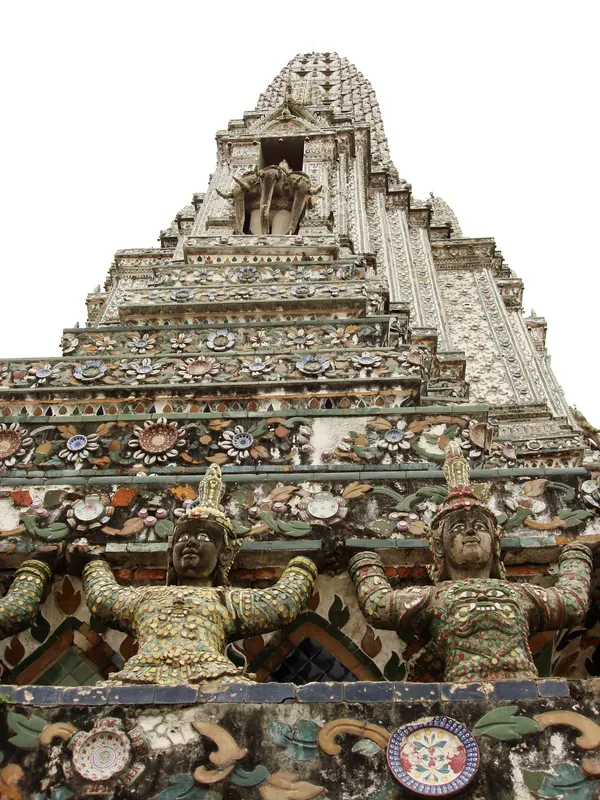
- Wat Arun — porcelain prang at golden hour, river reflection at dusk from the Thonburi bank
- Grand Palace and Wat Pho — soft early light and fewer crowds at opening
- Chao Phraya express boat — a cheap, moving frame of old and new Bangkok
- Dress modestly at temples; ignore 'temple closed' touts
Watch out
At Wat Arun and the Grand Palace, ignore touts claiming a temple is 'closed' — they steer you to gem and tailor scams
Skylines, rooftops and reflections
For the vertical city, the Mahanakhon SkyWalk is the cleanest skyline shot in Bangkok: its glass tray lets you frame straight down at the streets, and the open roof gives a 360-degree sweep that peaks at the blue hour just after sunset. The Silom and Sathorn rooftop bars trade an admission fee or minimum spend for the same panorama with a drink in hand — arrive early for a west-facing rail spot. For a free angle, the Golden Mount at Wat Saket hands you an old-city panorama for a small donation, and IconSiam's riverside terraces give a wide, air-conditioned view when the weather turns.
Don't write off the rainy season. A fresh downpour scrubs the haze and leaves the clearest skylines of the year, and the puddles it leaves behind turn neon signs, temple spires and rooftop lights into free, ready-made reflections — some of the most striking Bangkok images are shot in the ten minutes after the rain stops. Shoot skylines in the cool season for the steadiest visibility, and frame outdoor scenes at the cool edges of the day to dodge both haze and heat.
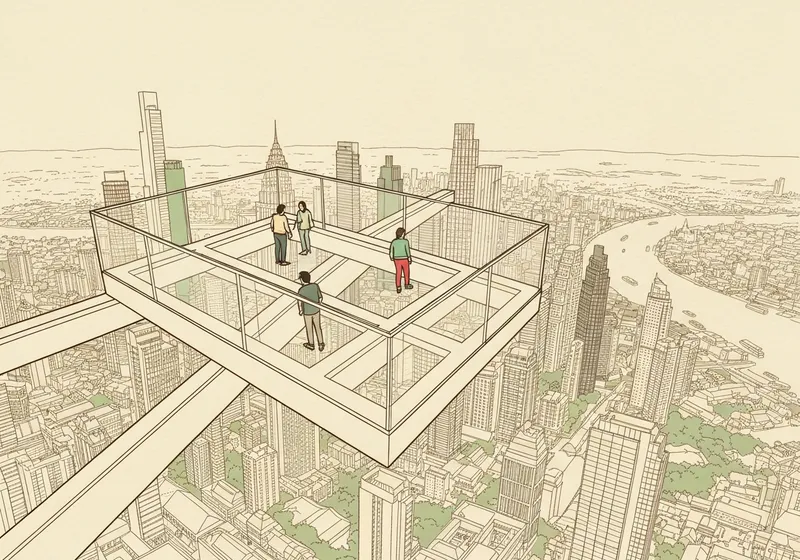
- Mahanakhon SkyWalk — glass tray and a 360-degree blue-hour skyline
- Silom/Sathorn rooftops — the same panorama with a drink; claim a rail spot early
- Golden Mount and IconSiam terraces — free and low-cost city views
- Post-rain puddles and clear air make the rainy season a hidden photo season
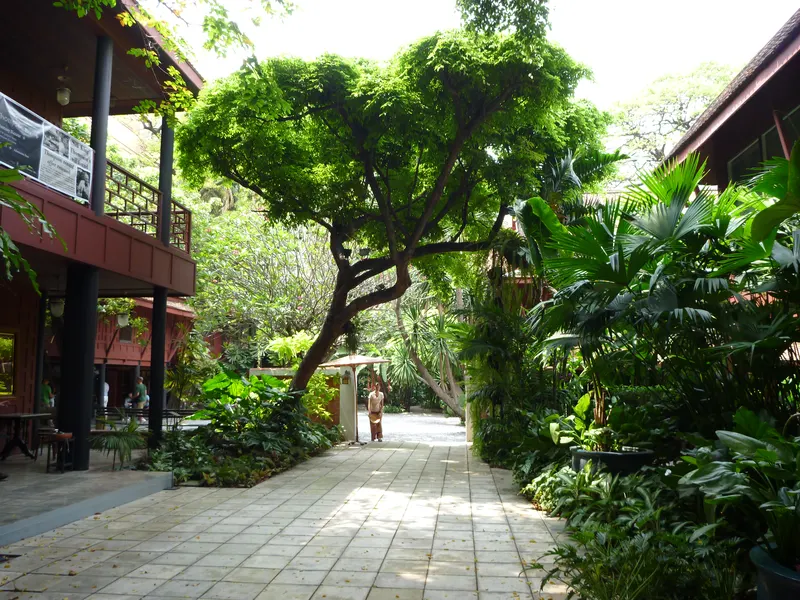
Markets, neon and street life
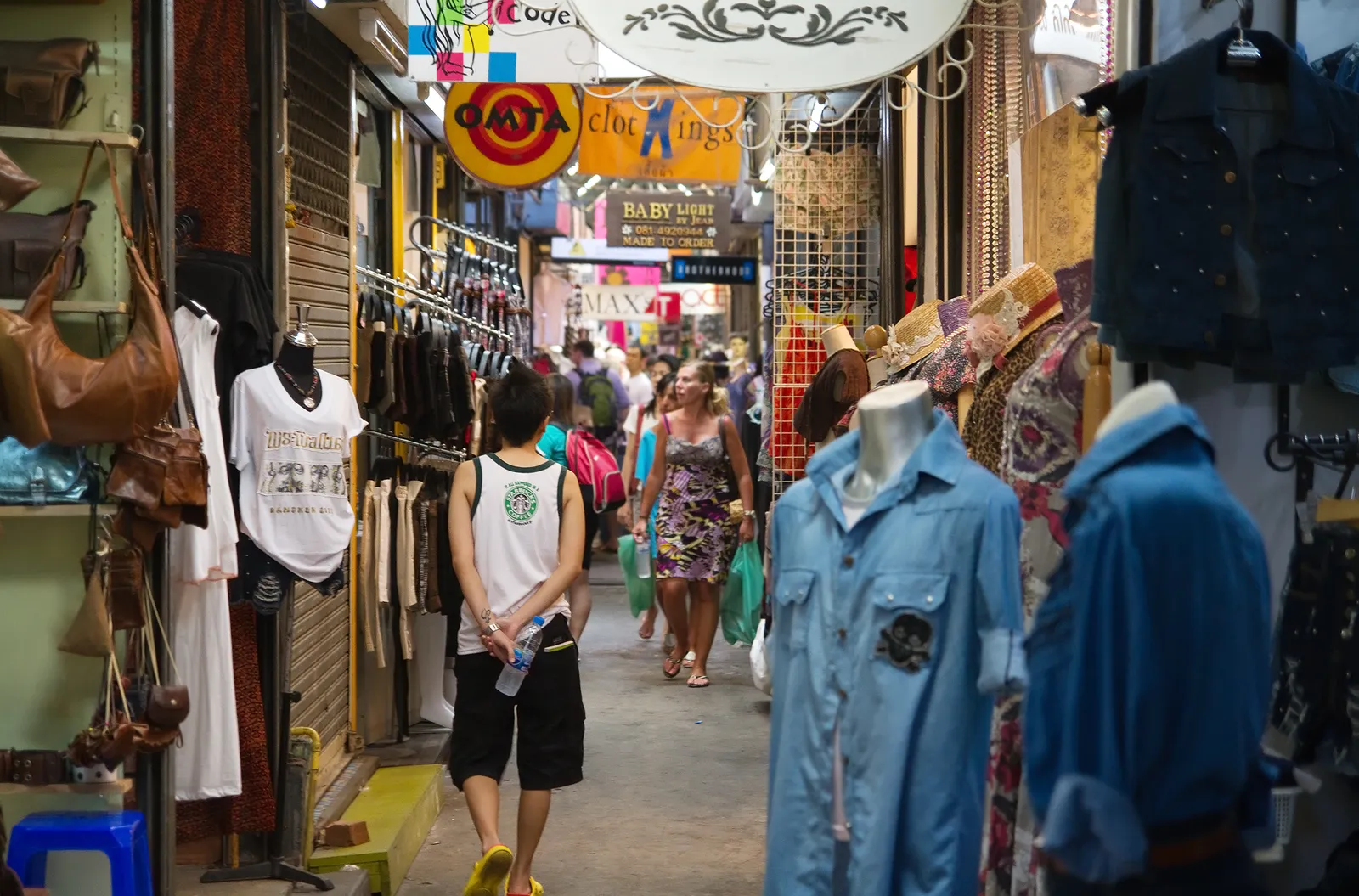
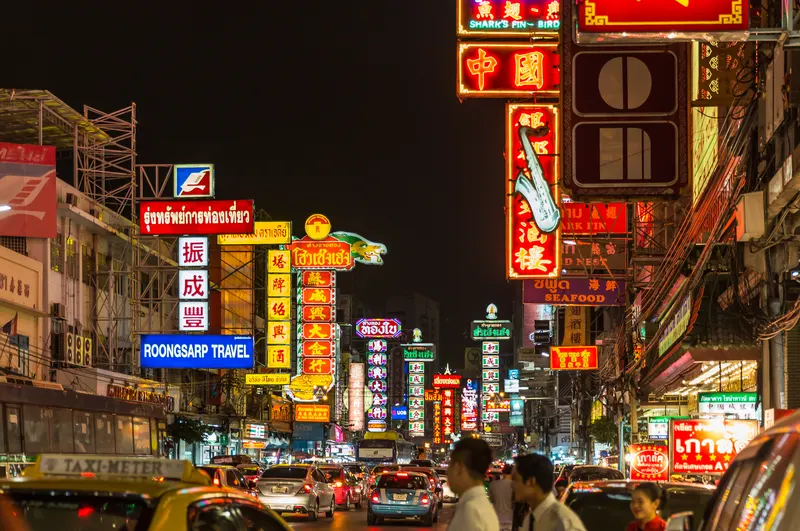
Bangkok's street photography lives in its markets and night lanes. Pak Khlong Talat, the flower market near the old city, is a wall of colour and motion — garlands, marigolds and lotus buds hauled by porters — and it is busiest overnight and at dawn, the best window for both the energy and the cool air. After dark, Yaowarat in Chinatown is pure neon: red-and-gold signage overhead, woks throwing flames, plastic stools spilling into the road and crowds you can shoot candidly in the soft glow of the stalls.
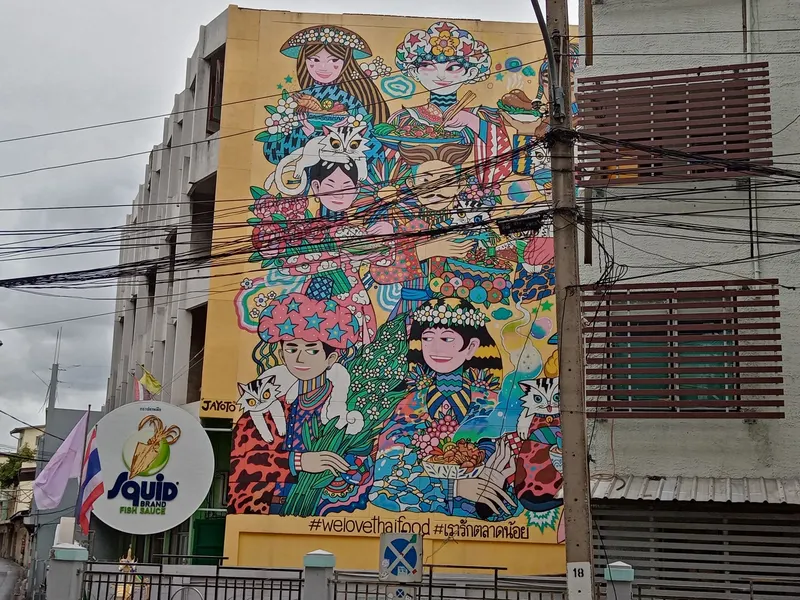
For texture and grit rather than spectacle, Talat Noi is the city's best street-photography maze. Its riverside sois are full of engine workshops with stacked pistons and grease-dark interiors, Chinese shrines hazy with incense, and walls of street art including a famous scrap-metal robot. These are working businesses and active places of worship, so shoot with respect — ask before pointing a lens at someone, and let the worshippers have the shrines. Weekend markets, mall atriums and food courts round out the wet-weather options.
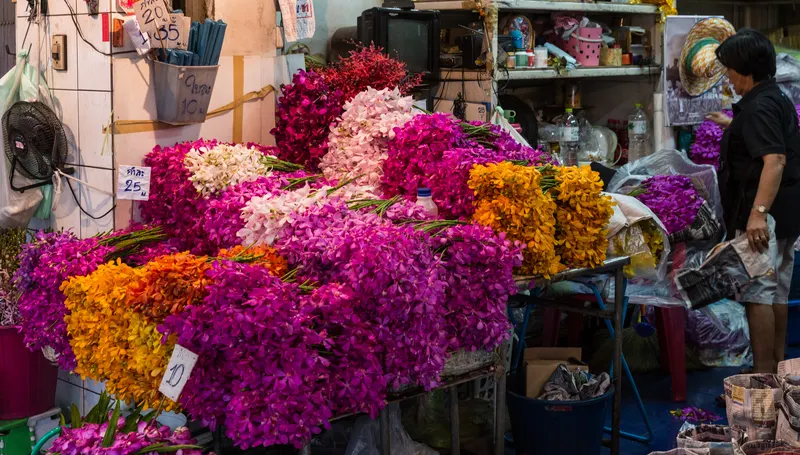
- Pak Khlong Talat — flower-market colour, busiest overnight and at dawn
- Yaowarat — neon, woks and crowds for Bangkok night photography
- Talat Noi — engine workshops, shrines and street art; shoot respectfully
- Markets, mall atriums and food courts as rainy-day backups
Planning a photo day around light, heat and rain
Build your day around the light rather than a checklist. A classic plan: catch the flower market or a temple at dawn for soft light and empty frames, retreat to an air-conditioned museum, mall or café through the flat, hot middle of the day, then come back out for sunset on a rooftop or at Wat Arun and finish with Yaowarat's neon after dark. The cool season gives the clearest skylines and the most comfortable shooting; the hot months are hazy, so favour mornings; and the rainy season, counter-intuitively, delivers the cleanest air and the best reflections right after a storm.
A few practicalities: temples may restrict tripods and large rigs, and some require modest dress and shoes off inside halls, so a phone or a compact kit travels best. Carry small cash for temple admission and the markets, move by Chao Phraya boat and BTS to dodge traffic, and respect that markets, workshops and shrines are real working spaces, not sets. Verify temple hours and any paid-deck tickets before you go, and keep an indoor backup ready for the afternoon downpour.

- Dawn at a temple or the flower market; midday indoors; sunset rooftop; Yaowarat after dark
- Cool season for skylines, mornings in the hot months, post-rain for reflections
- Phone or compact kit travels best where tripods are restricted
- Move by boat and BTS; carry small cash; respect working spaces

Wat Arun (Temple of Dawn)
The porcelain-studded riverside spire on the Thonburi bank — best at golden hour from a cross-river ferry or rooftop.
Map pins
Map data © OpenStreetMap contributors · Tiles © OpenFreeMap