- Time needed
- Half a day to a full day depending on your shopping l…
- Getting there
- BTS Mo Chit or MRT Chatuchak Park / Kamphaeng Phet
- Price
- Mostly low to mid-range
- Best for
- Souvenir hunters
What Chatuchak is actually good for
Chatuchak rewards shoppers who arrive with a category in mind rather than a vague hope of buying something. The market's strengths are clear once you know where to look: fashion and vintage clothing, homeware and interiors, ceramics and tableware, art and prints, candles and soaps, leather and bags, and the kind of small, affordable craft souvenirs that make better gifts than the mass-produced trinkets sold near the temples. Because so much is made by small Thai makers and designers, the quality and originality are a step up from generic tourist shopping.
This is a companion to our main Chatuchak Weekend Market guide, which covers opening days, transport and heat strategy. Read that first for the logistics; use this page to decide what to fill your bag with — and what to leave behind.
Book ahead
Ask stalls directly about packing, posting or shipping larger or fragile items home rather than assuming they ship
Cash & cards
Carry cash for bargaining; larger stalls may take QR or card
Category by category
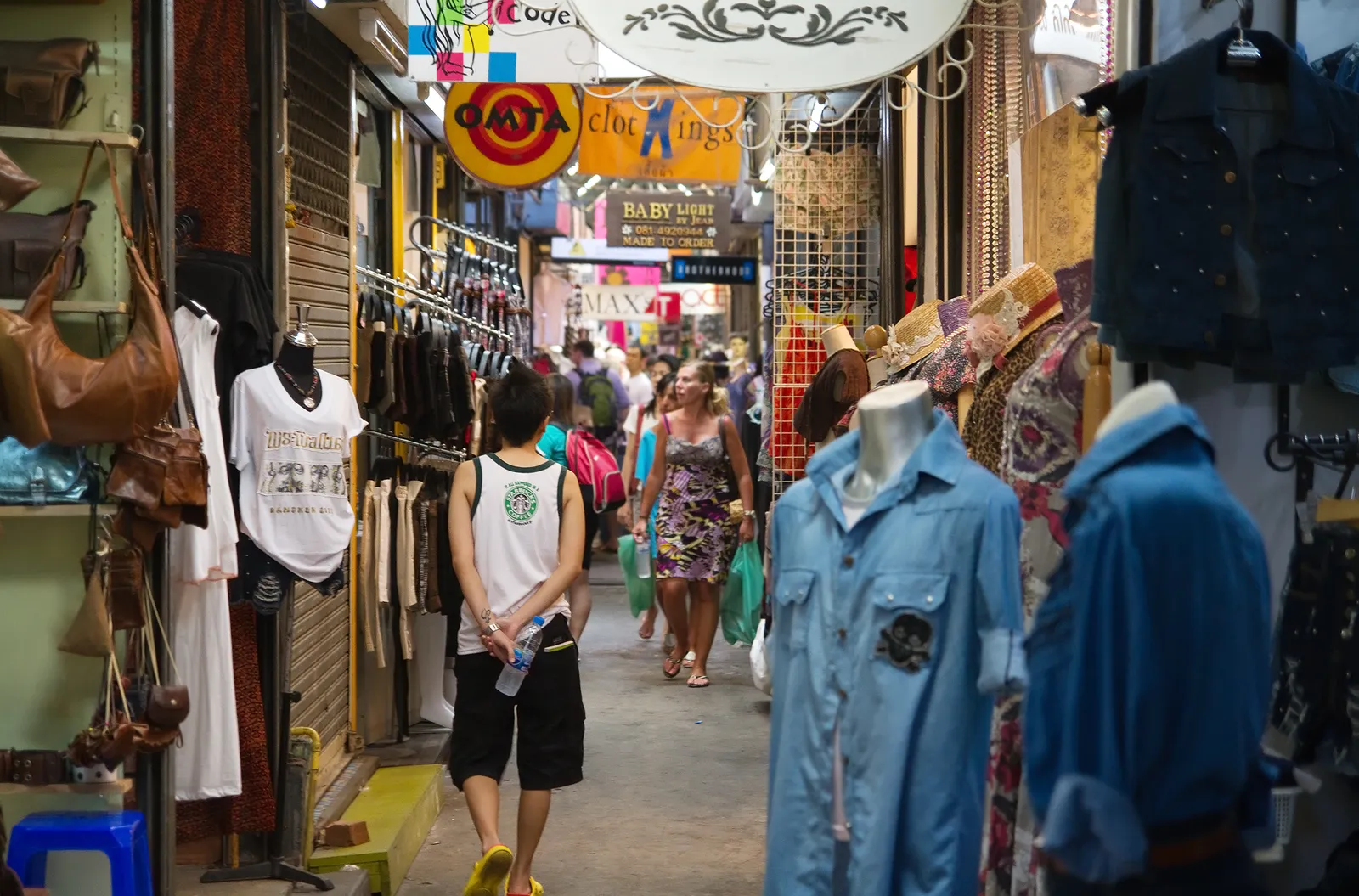
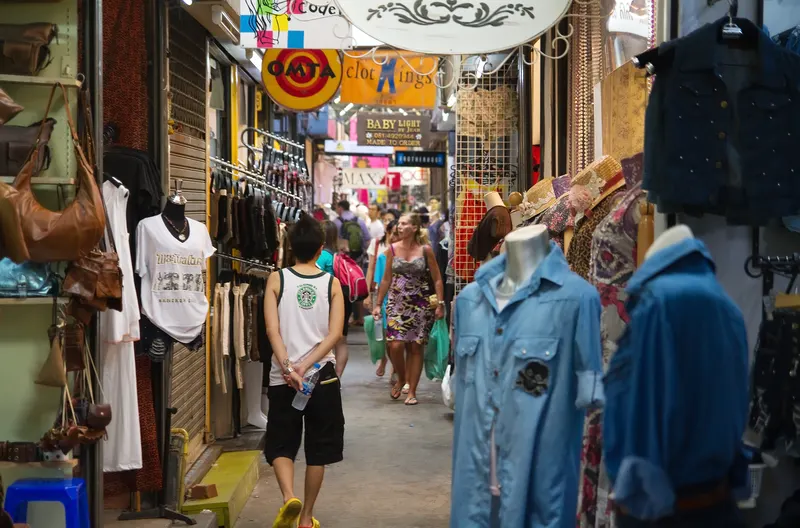
Clothing is the deepest well: new fashion from independent Thai labels, breezy resort wear, graphic tees and a genuinely good vintage and reworked-denim scene. Try things on where you can, check seams and sizing, and remember Thai sizing often runs small. Homeware and interiors are the other headline — ceramics, rattan, cushions, lighting, candles and small furniture — concentrated in the home-decor and art sections, where hand-thrown pottery and one-off pieces stand out.
Art and prints, often by the makers themselves, make light, packable souvenirs. Bags, leather goods and accessories are plentiful but variable in quality, so inspect stitching and hardware before you commit. For gifts, look to soaps, incense, candles, spices, dried fruit and small crafts that survive a suitcase. Plants and orchids draw locals to the garden zone, though these are usually a domestic rather than a tourist buy.

- Clothes & vintage: independent labels, resort wear, reworked denim — check sizing
- Homeware & ceramics: rattan, lighting, candles, hand-thrown pottery in the decor sections
- Art & prints: light, packable, often sold by the artist
- Bags & leather: plentiful but uneven — inspect quality before buying
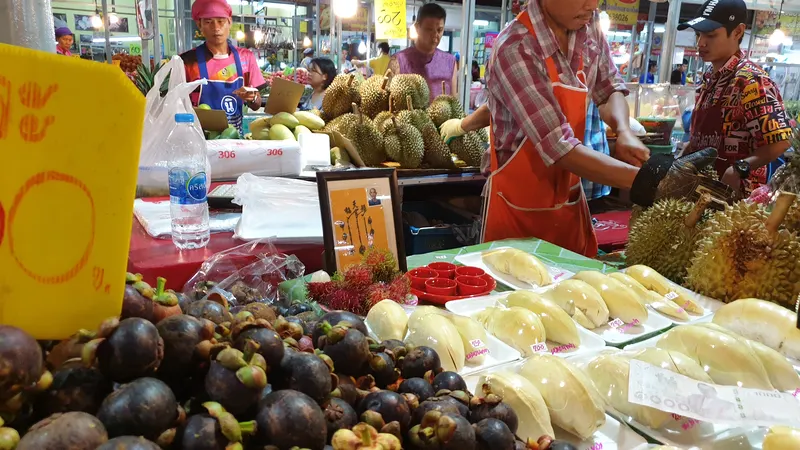
- Gifts: soaps, incense, spices, dried fruit and small crafts that travel well

Bargaining, packing and shipping
Bargaining is part of the ritual on goods at Chatuchak, though not on food or anything marked as fixed-price. Keep it friendly: ask the price, offer a modest counter, and let buying more than one item from the same stall do the work of getting the number down. A smile and a willingness to walk away are your best tools, and pushing too hard on already-cheap items isn't worth the goodwill. Carry small cash, as many stalls prefer it even where QR or card is accepted.
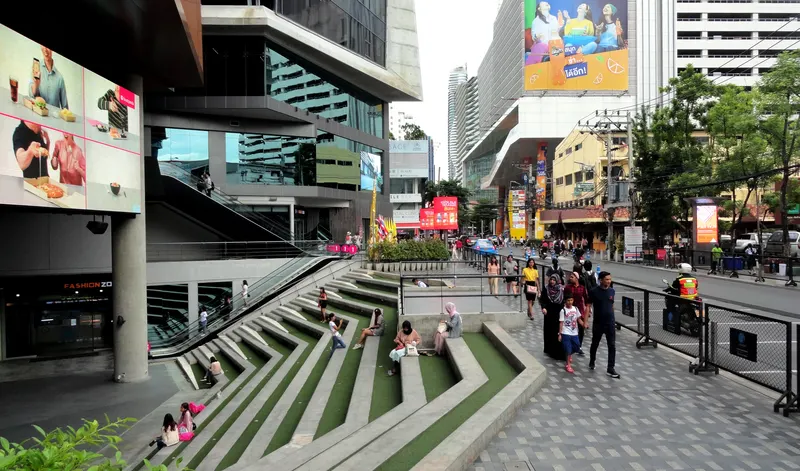
For fragile ceramics, framed art or bulky homeware, ask the stallholder directly about packing, posting or shipping — some larger vendors can arrange it, but never assume, and factor in customs rules at home for certain goods. Carry a foldable bag for the day's haul, and if you buy a lot, an air-conditioned mall nearby is a comfortable place to repack before the journey back.

Shop ethically — what to skip
Chatuchak's pet and wildlife section is the one part of the market to approach with eyes open or skip entirely. Beyond ordinary cats and dogs, stalls have historically sold exotic and sometimes protected animals, and the welfare conditions can be poor. Buying live animals as a tourist is never a good idea, and trade in protected or wild-caught species is illegal — so do not buy pets, and avoid souvenirs made from ivory, certain shells, reptile skin or other protected materials, which can also breach customs rules when you fly home.
Stick to the things Chatuchak does brilliantly — clothes, crafts, homeware, art and food gifts made by small makers — and the market is one of the most rewarding and responsible places to shop in Bangkok. When the heat or crowds wear you down, the city's malls and night markets offer a calmer, cooler alternative.
- Do not buy live animals; avoid the exotic-pet trade entirely
- Skip souvenirs made from ivory, protected shells, reptile skin or wildlife
- Favor small Thai makers — better value, better stories, fewer ethical traps

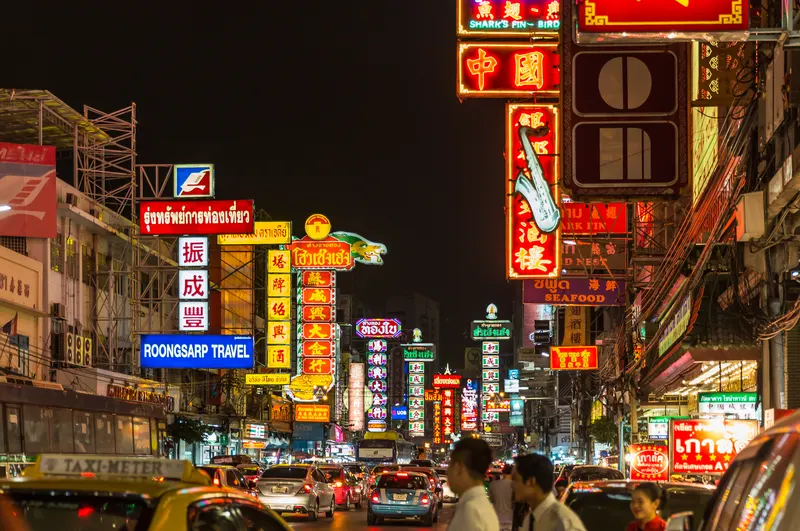
Chatuchak Weekend Market
One of the world's largest weekend markets — thousands of stalls. Go early on a weekend morning to beat the heat and crowds.
Map pins
Map data © OpenStreetMap contributors · Tiles © OpenFreeMap
Sources
- Tourism Authority of Thailand ↗
Official tourism guidance, including responsible shopping.