- Time needed
- Runs daily from roughly 06:00 (first trains around 05…
- Getting there
- Tap a contactless bank card at the gate
- Best for
- Travelers based along Sukhumvit and Silom who will ri…
Two lines, one interchange
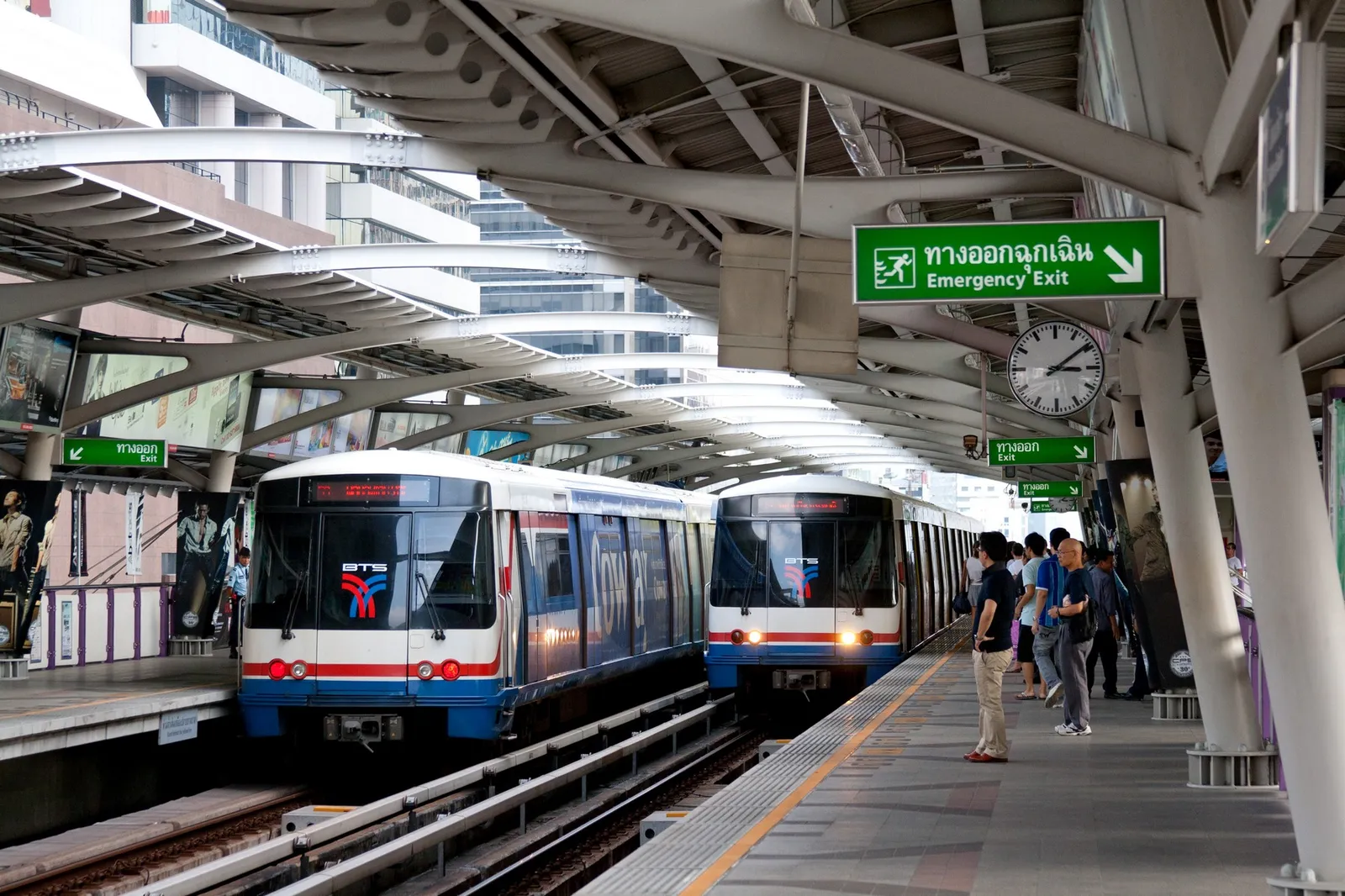
The BTS Skytrain runs on elevated tracks above Bangkok's main avenues and is the backbone of getting around the modern city. It has two core lines: the Sukhumvit Line, which threads north and east through Siam, Asok and Phrom Phong and out toward Mo Chit and the suburbs, and the Silom Line, which runs through the Silom and Sathorn business district and across the river toward Bang Wa. They cross at Siam, the beating heart of the network, where the big malls cluster and almost every Skytrain journey routes through.
Learn that single interchange and the system makes sense. Siam sits between the major shopping centers and has a double-deck platform layout that becomes second nature after a ride or two. From there, the Sukhumvit Line carries you to the dining and nightlife of eastern Sukhumvit, while the Silom Line drops you at Sala Daeng for Silom and Lumphini Park, and at Saphan Taksin for the river. Stations are signed in English and announcements are bilingual, so navigation is straightforward.
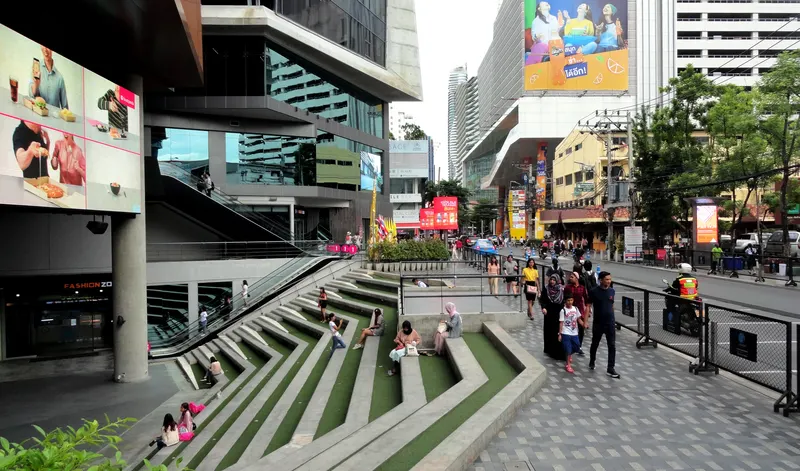
- Sukhumvit Line: Mo Chit → Siam → Asok → Phrom Phong → On Nut and onward.
- Silom Line: Siam → Sala Daeng → Saphan Taksin (river pier) → Bang Wa.
- Siam is the central interchange and the easiest landmark to navigate from.
- Trains arrive every few minutes; platforms are signed in English.
Cash & cards
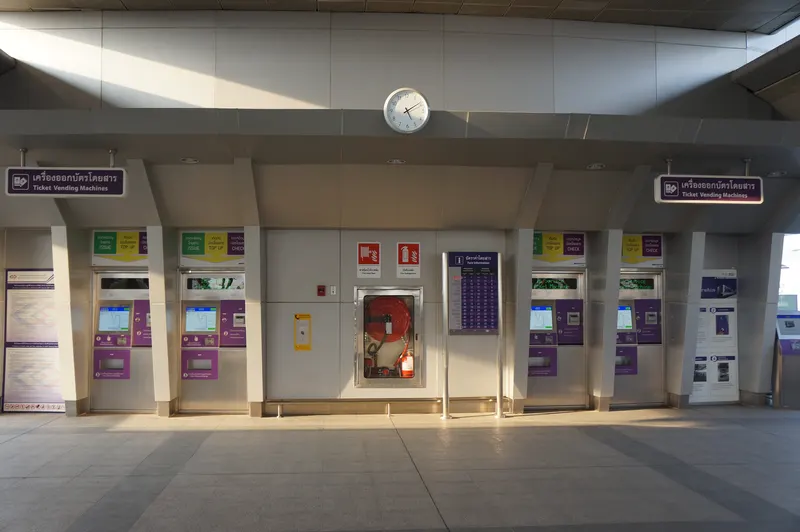
Contactless bank card or Rabbit Card at the gate; single tokens from the machines take coins and small notes. The Rabbit does not work on the MRT, river boats or Airport Rail Link
Tickets, the Rabbit Card and passes
Paying on the BTS is simple once you know the options. The least-hassle choice for a short visit is to tap a contactless Visa or Mastercard — or a phone wallet — straight at the gate. Otherwise, buy a single-journey ticket from the machines on the concourse: choose your destination on the screen, feed in coins or small notes, and take the token you tap in and drop in the slot on the way out. Keep some coins handy, because the machines can be picky and staffed booths sometimes only break notes.
If you will ride the Skytrain a lot, a Rabbit stored-value card lets you walk straight to the gate and tap instead of queuing at the machines — a real benefit at busy interchanges in the heat. Buy and top it up at any BTS ticket booth for a small issuing fee plus a refundable deposit. Be honest about your usage, though: the Rabbit does not give a meaningful per-ride discount for a casual visitor, so the saving is time and friction, not baht. A day pass can suit a single train-heavy day. We keep the exact deposit, fee and fares in the facts card, since they change.
- Quickest for tourists: tap a contactless bank card straight at the gate.
- Single tokens from the machines take coins and small notes.
- Rabbit Card = tap-and-go for heavy users; small issuing fee plus a refundable deposit.
- Light user (one or two rides a day): single tokens or contactless are fine.
Transfers, the river and luggage
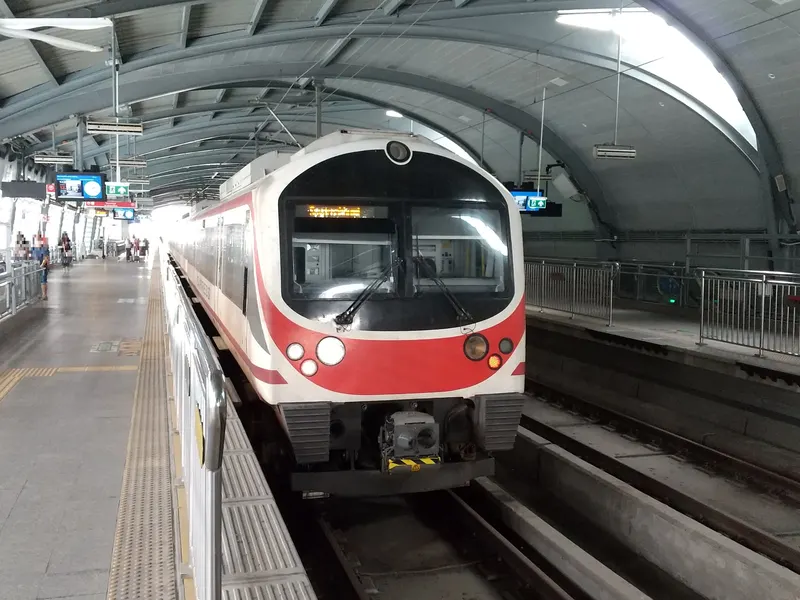
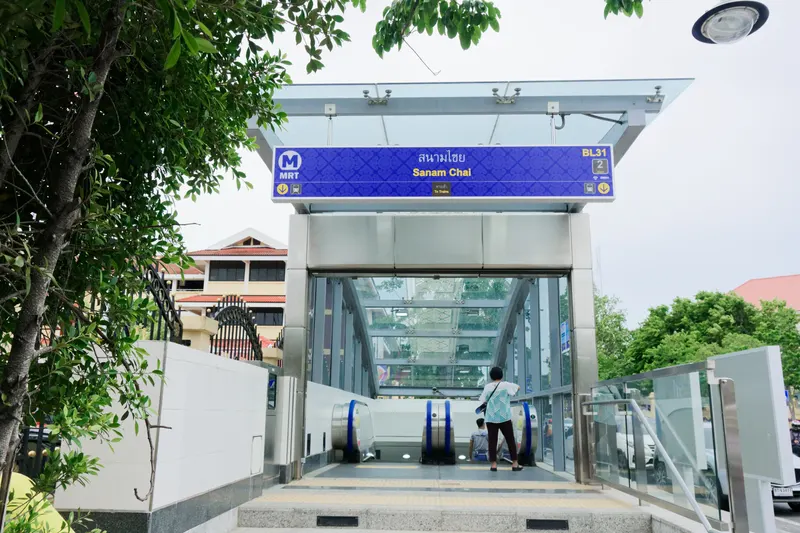
The BTS connects to the rest of the network at a handful of key stations. Asok links to the MRT (Sukhumvit station) by a short skywalk in the middle of the nightlife district; Sala Daeng links to the MRT (Si Lom) for Lumphini Park; Mo Chit connects near the MRT for the giant Chatuchak Weekend Market; and the Airport Rail Link meets the Sukhumvit Line at its city-end interchange. Remember that the two systems use different tickets, so you will usually tap out of one, walk a connecting passage, and tap into the other — budget a couple of extra minutes and a separate fare.
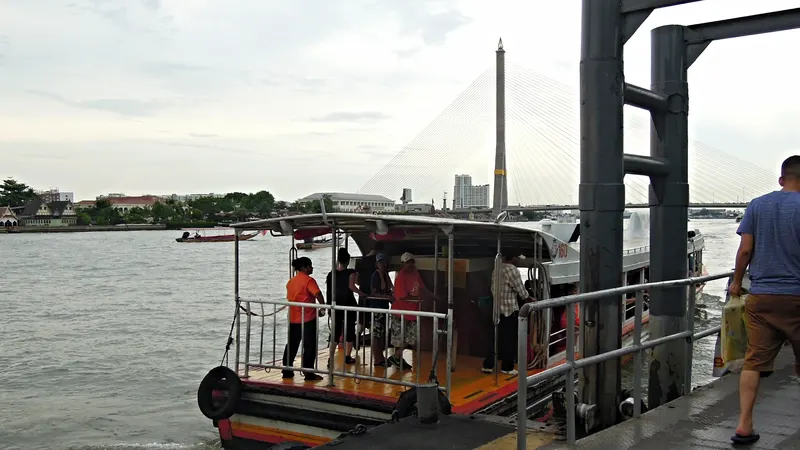
The single most useful BTS connection for sightseeing is Saphan Taksin on the Silom Line, which sits right above Sathorn (Central) Pier. Ride the Skytrain down, walk to the docks in two minutes, and you are on a Chao Phraya boat to the Old Town temples — the cleanest handoff between rail and river in the city. On luggage: the BTS is fine with day bags and modest suitcases, but at rush hour the Sukhumvit Line is packed shoulder to shoulder around Siam and Asok, so a large suitcase is awkward then. Eating, drinking and durian are all banned on board.
- Asok ↔ MRT Sukhumvit and Sala Daeng ↔ MRT Si Lom are the main system-to-system hops.
- Saphan Taksin (Silom Line) is the river handoff to the Chao Phraya boats.
- Separate tickets between systems — tap out, walk, tap in, expect a second fare.
- Fine with day bags; avoid large suitcases on the Sukhumvit Line at rush hour.
Riding smart and choosing a base
The BTS is your friend year-round, but it shines in the heat and the rain. In the hot months the air-conditioned trains and the chained skywalks around Siam and Sukhumvit let you cross half the city without touching the baking pavement; in the rainy season they keep you moving while the roads flood. Ride mid-morning or after the evening rush for a seat, stand on the right of escalators, and let passengers off before you board.
If you are still choosing where to stay, the BTS makes a strong case for a Sukhumvit-line base. A hotel near Asok, Phrom Phong or Siam puts the dining, nightlife and malls a quick, traffic-proof hop away and makes airport transfers via the Rail Link painless. If your trip centers on the Old Town, the riverside or Chinatown, you will lean more on boats and the MRT and the Skytrain will sit idle — so match the base to how you will actually move.
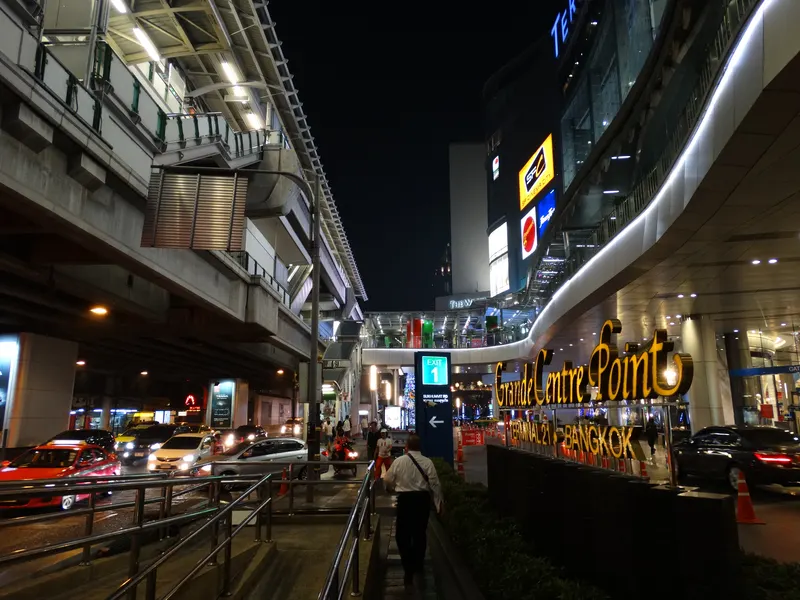
- Air-conditioned trains and skywalks beat the heat and rain — a year-round advantage.
- Ride mid-morning or after the evening rush for a seat.
- A Sukhumvit-line base (Asok, Phrom Phong, Siam) makes the BTS pay off most.
- Old Town or riverside trips lean on boats and the MRT instead.


Frequently asked questions
Do I need a Rabbit Card for the BTS? Only if you will ride heavily for several days. For a light user, tapping a contactless bank card at the gate or buying single tokens is simpler and avoids the deposit. The card's benefit is skipping queues, not a fare discount.
Does the Rabbit Card work on the MRT? No. The Rabbit is a BTS-only card. The MRT uses its own separate card or token, and it also does not work on the river boats or the Airport Rail Link.
How do I get from the BTS to the river temples? Ride the Silom Line to Saphan Taksin, walk down to Sathorn Pier, and take a Chao Phraya boat upstream to Wat Pho, the Grand Palace and the Wat Arun ferry.
What are the BTS hours? Trains run roughly from early morning until around midnight. Check last-train times if you are out late, and plan a Grab home after the network closes.
Sources
- BTS Skytrain (official) ↗
Official lines, fares, hours, Rabbit Card and day-pass details.
- BTS Rabbit Card (official) ↗
Official Rabbit stored-value card issuing fee, deposit and top-up rules.
- BTS One-Day Pass (official) ↗
Official one-day pass price and conditions for train-heavy days.