- Dates
- Expected 10–18 October 2026 from the lunar calendar
- Getting there
- Take the MRT Blue Line to Wat Mangkon
- Price
- Jay street food is cheap
- Best for
- Vegetarians
What the Jay Festival is
The Vegetarian Festival — known in Thai as Thetsakan Kin Jay, the festival of eating Jay — is a nine-day observance, usually falling in late September or October, when a large part of Bangkok's Thai-Chinese community adopts a strict vegan diet for purification and merit. The word Jay (เจ) goes beyond ordinary vegetarian: it excludes meat, seafood, eggs and dairy, and also pungent vegetables such as garlic and onion. Participants commonly dress in white for the duration, and many also abstain from alcohol and observe other precepts, treating the period as a cleanse of body and spirit.
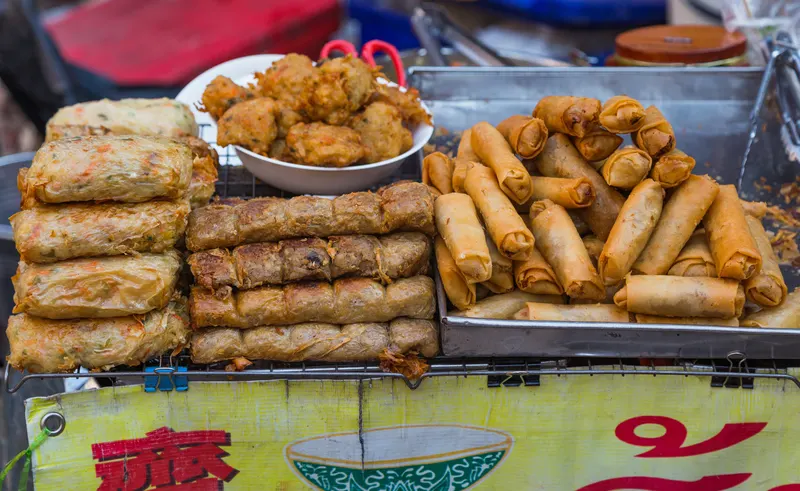
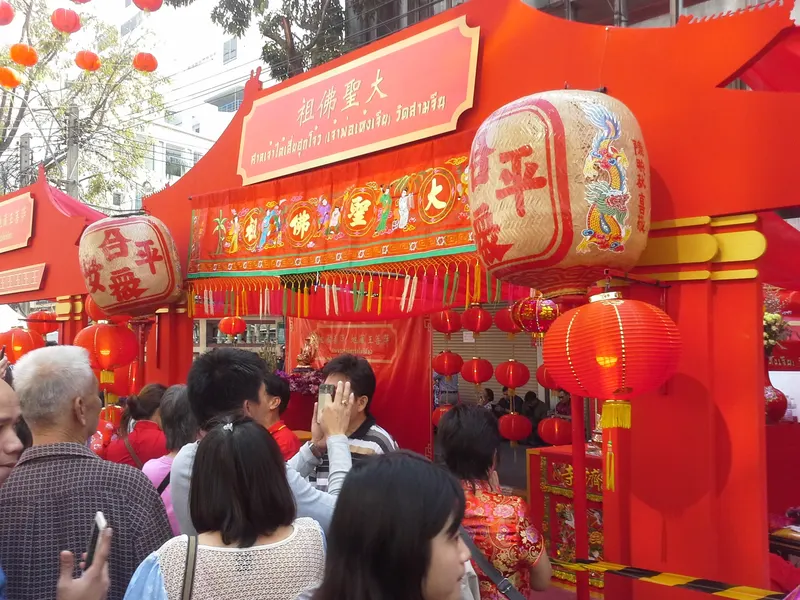
For visitors, the festival is a feast. Across the city — and most intensely in Chinatown — restaurants, street stalls and even ordinary shops put out the distinctive yellow-and-red Jay flags to signal that they're serving strict vegetarian food, and the variety is astonishing. Mock meats, vegetable curries, noodle dishes, dim sum, fried snacks and sweets all appear in Jay versions, often startlingly close to their meat-based originals. It is, simply, the easiest and most exciting time of year to eat plant-based in Bangkok, and a genuinely different lens on a city usually defined by its pork, seafood and fish sauce.
- A nine-day observance, usually late September or October (lunar calendar).
- Jay (เจ) is strict vegan — no meat, seafood, egg, dairy, or pungent vegetables.
- Participants commonly wear white and observe extra precepts for the duration.
- Yellow-and-red Jay flags mark participating stalls, shops and restaurants.
Watch out
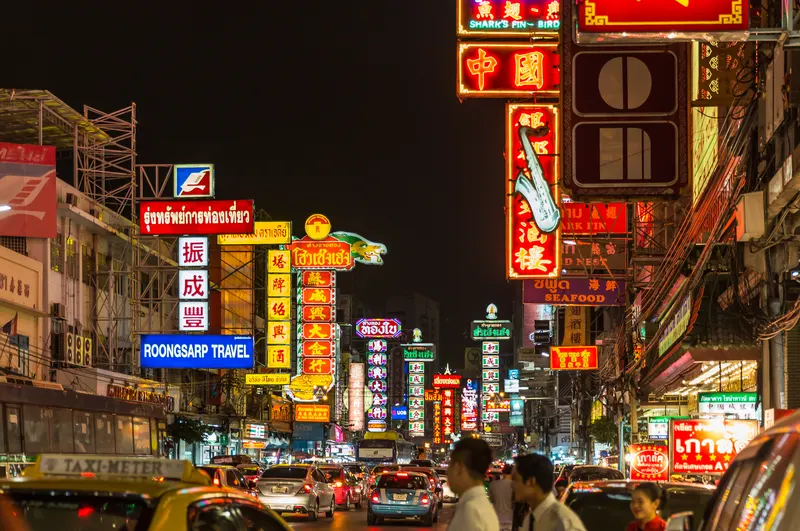
Yaowarat gets very crowded and queues are long; go early, mind your belongings and use the MRT rather than a taxi
Check this year's dates
The festival dates follow the lunar calendar and move each year — confirm this year's dates with TAT or the Chinatown shrines.
What to eat and where the shrines come in
Chinatown's Yaowarat is the heart of the festival, and the best way to experience it is simply to graze. Follow the Jay flags from stall to stall and try as much as you can: Jay versions of classic noodle dishes, vegetable and tofu curries, fried spring rolls and snacks, steamed buns and dim sum, and a whole genre of clever mock meats made from soy, mushroom, gluten and taro. Sweets and drinks get the Jay treatment too. Queues form at the most popular stalls, so go early in the evening and be patient — the variety and the atmosphere are the reward.
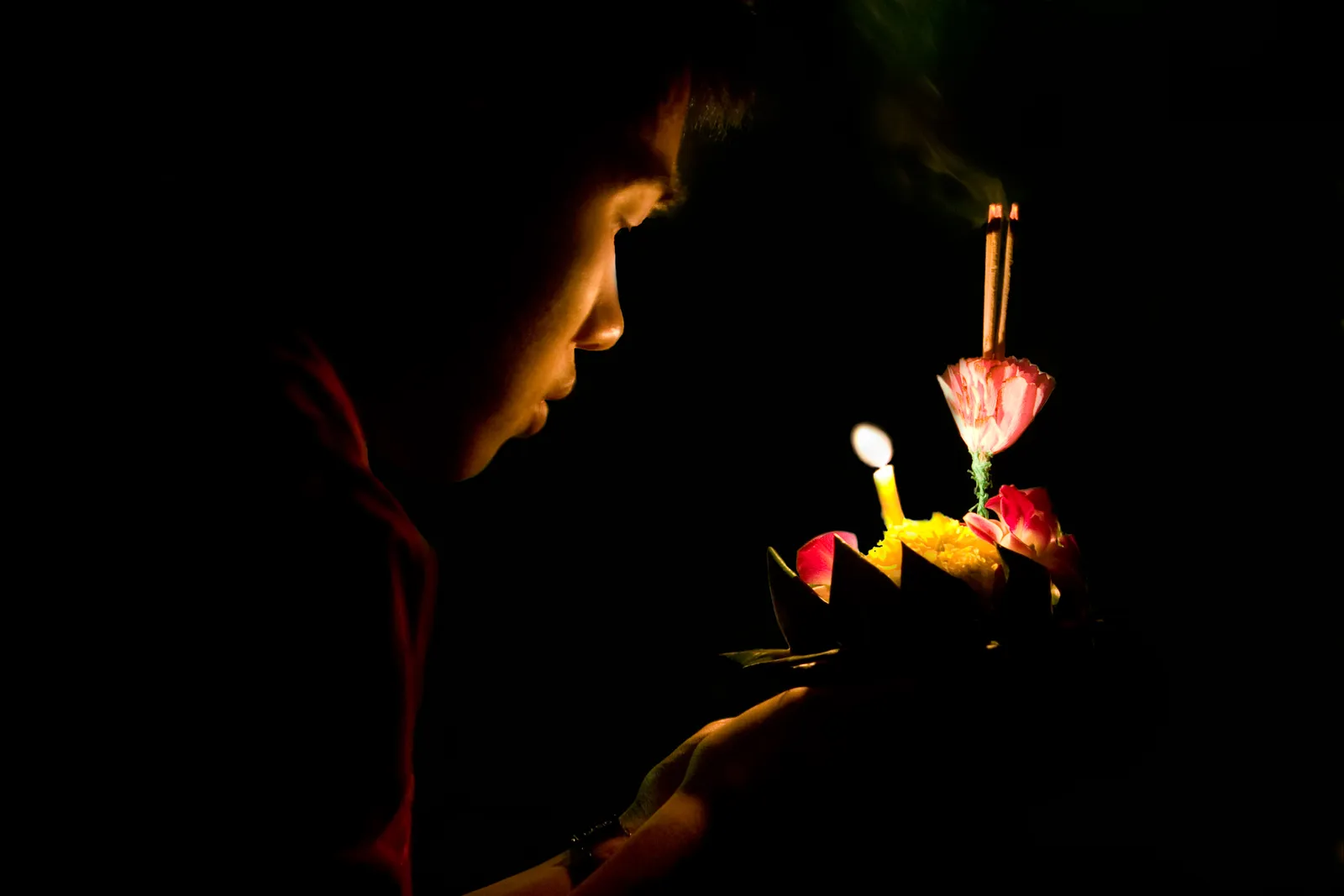
Beyond the food, the festival has a strong religious dimension centered on the Chinese shrines. The shrines hold ceremonies and processions through the festival, with chanting, offerings and, at some, dramatic rites of purification. Bangkok's celebration is generally calmer than the famous, intense Phuket version of the festival — which is known for spectacular and extreme acts of devotion — but the spiritual core is the same: this is a period of cleansing and merit-making, not just a food fair. Visit the shrines respectfully, keep your voice down, and observe rather than intrude on the ceremonies.

- Graze Yaowarat by Jay flag — noodles, curries, dim sum, snacks, sweets and mock meats.
- Mock meats made from soy, mushroom, gluten and taro are a festival highlight.
- Queues form at popular stalls — go early in the evening and be patient.
- The Chinese shrines hold ceremonies and processions; visit respectfully.
Crowds, transport and planning
As with Chinese New Year, the festival's intensity in Yaowarat is best handled with the MRT. Take the Blue Line to Wat Mangkon station, which sits in the heart of Chinatown, and skip the traffic that snarls the surrounding roads; don't try to arrive by taxi on a busy festival evening. Go early, before the densest crowds and the longest queues, keep your belongings secure in the crush, and have a plan for getting out. Because the festival usually overlaps the late rainy season, carry a compact umbrella and be ready to duck into an air-conditioned spot if a downpour or the heat catches you between food rounds.
The festival's dates follow the lunar calendar and shift every year, usually landing in late September or October, so confirm the current year's dates before you plan — the Tourism Authority of Thailand and the Chinatown shrines are good sources. And while Yaowarat is the epicenter, the Jay flags go up across the whole city for the nine days, so even if you skip the Chinatown crowds you'll find easy, abundant plant-based eating in malls, markets and neighborhood restaurants wherever you are. For vegetarians and vegans, it is the single best window of the Bangkok year.
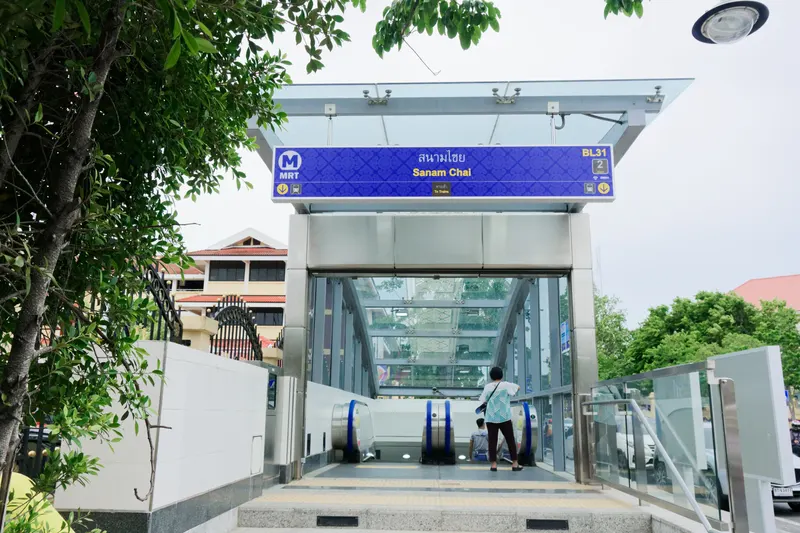
- Ride the MRT to Wat Mangkon — never arrive by taxi on a busy evening.
- Go early to beat the densest crowds and the longest queues.
- Carry an umbrella — it often overlaps the late rainy season.
- Jay flags appear citywide, so plant-based eating is easy well beyond Yaowarat.
Vegetarian Festival FAQ
When is the Vegetarian Festival? It runs for roughly nine days, usually in late September or October, following the lunar calendar — confirm the current year's dates before you go.
What does Jay (เจ) actually mean? Strict vegan, plus the exclusion of pungent vegetables like garlic and onion, and usually alcohol. It's stricter than ordinary vegetarian, which is exactly why the festival food is so reliable for vegans.
Where's the best place to experience it? Yaowarat (Chinatown), reached by MRT to Wat Mangkon, is the epicenter for both food and shrine ceremonies. But the Jay flags go up citywide, so you can eat the festival anywhere. Do I need to wear white? No — that's for participants observing the precepts. Visitors are welcome to simply eat and observe respectfully.
Sources
- Tourism Authority of Thailand (TAT) ↗
Confirm this year's Vegetarian (Jay) Festival dates and shrine events.
- TAT Newsroom ↗
Year-by-year festival announcements, including the lunar-calendar Vegetarian Festival dates.
- BEM MRT — fares & contactless ↗
Ride the MRT Blue Line to Wat Mangkon, in the heart of Yaowarat, to skip festival traffic.